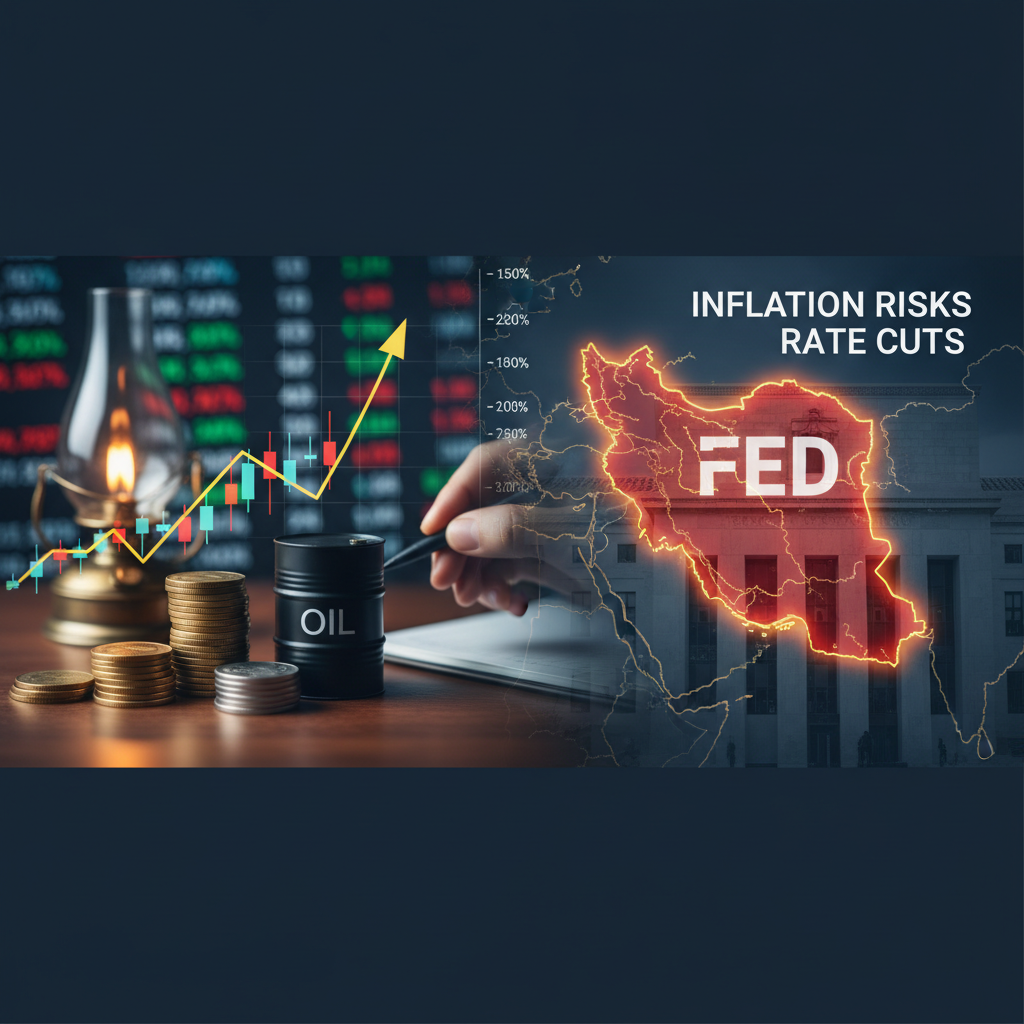
Federal Reserve policymakers are keeping a close eye on the growing tensions with Iran, recognizing the potential for the conflict to stoke inflation. This scrutiny comes as the central bank prepares for its next meeting, where discussions about potential rate cuts are on the agenda. The situation presents a complex challenge, as geopolitical instability often translates to economic uncertainty.
The primary concern for the Federal Reserve is the impact of the Iran conflict on energy prices. As Fed officials monitor the situation, they are assessing how potential disruptions in the Middle East could affect global oil supplies. Any significant increase in energy prices could contribute to higher inflation, complicating the Federal Reserve‘s efforts to bring inflation down to its target levels. This is particularly relevant as the central bank considers its monetary policy stance and the possibility of future rate cuts.
The conflict‘s potential to influence inflation stems from several factors. Increased geopolitical risk can lead to supply chain disruptions, impacting the availability of goods and services. Moreover, heightened tensions often drive up commodity prices, including oil, which has a broad impact on the economy. The Federal Reserve must weigh these risks against other economic indicators, such as employment figures and economic growth, to make informed decisions about its monetary policy. The Federal Reserve‘s approach to the Iran conflict reflects the interconnectedness of geopolitics and financial markets, emphasizing the need for proactive monitoring and analysis. The Federal Reserve‘s actions will be crucial in managing the economic fallout from the escalating situation.
The Federal Reserve‘s upcoming meeting will be crucial in determining the near-term path of monetary policy. The central bank must balance the need to curb inflation with the desire to support economic growth. The outcome will likely depend on how the energy price impact evolves. The Federal Reserve‘s decisions will have significant implications for investors and the broader economy, making it a critical moment for financial markets.
About the Author