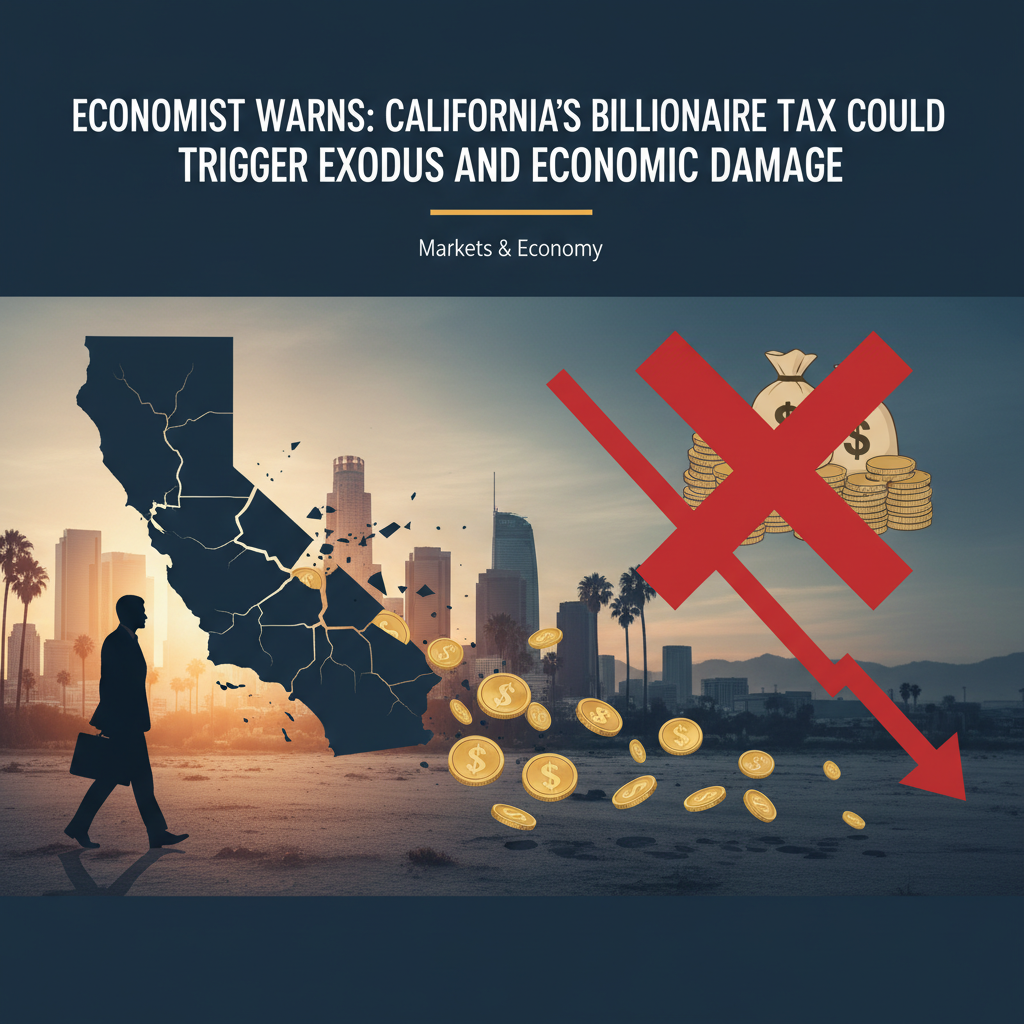
A prominent economist is sounding the alarm about California’s proposed “billionaire tax,” predicting severe negative consequences for the state’s economy. The warning comes amid growing debate over the tax’s potential impact on high-income earners and the overall financial landscape of California.
The economist, whose name has not been specified in the source material, suggests that the tax proposal could prove “disastrous.” The primary concern revolves around the potential for an exodus of wealthy individuals and families from California. The economist argues that such a departure would not only reduce tax revenue but could also stifle economic activity, as high-income earners often contribute significantly to investment, job creation, and consumer spending.
The core of the issue lies in the details of the proposed tax. While the exact structure is not fully detailed in the source, the intent is clear: to generate additional revenue by targeting the state’s wealthiest residents. However, critics, including this economist, believe the tax could backfire. They point to the mobility of high-net-worth individuals, who can relocate to states with more favorable tax environments. The fear is that California could lose a significant portion of its tax base, leading to budget shortfalls and potentially forcing cuts in public services.
The debate over the billionaire tax is part of a broader discussion about wealth inequality and tax policy in California. Proponents argue that the tax is necessary to fund critical social programs and address the state’s growing budget needs. They believe that the wealthy should contribute a larger share of the tax burden. However, opponents counter that such measures could drive away the very people who generate economic growth and create jobs.
The implications of this tax proposal extend beyond the immediate financial impact. The economist’s warning underscores the delicate balance between raising revenue and maintaining a business-friendly environment. California’s policymakers will need to carefully weigh the potential benefits of the tax against the risks of capital flight and economic contraction. The situation highlights the importance of considering the long-term consequences of tax policies and their effects on the state’s economic competitiveness. The potential for an “exodus” of high-income earners is a significant concern that could reshape California’s economic future.
About the Author