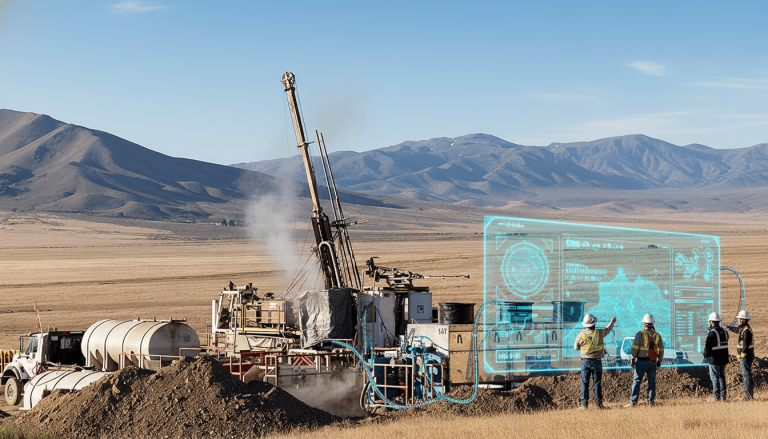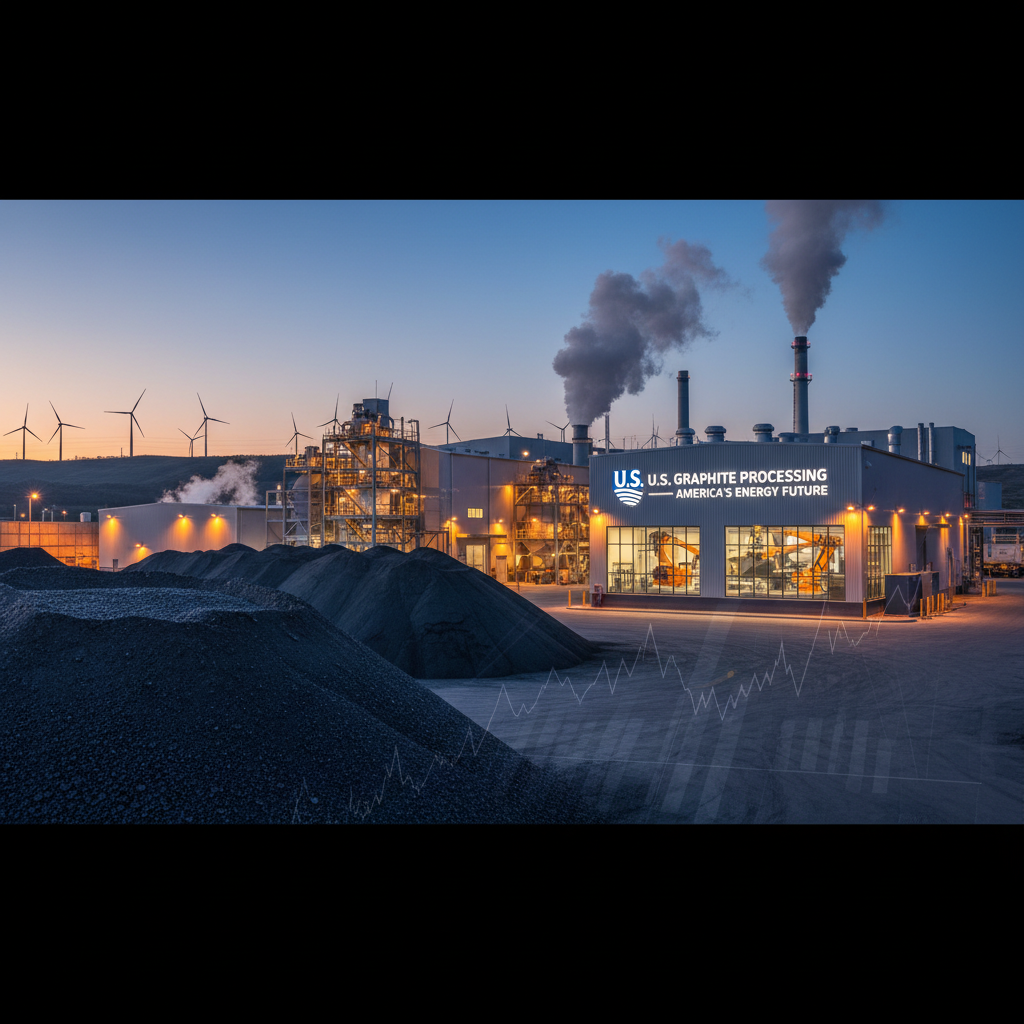
In a significant shift for the U.S. manufacturing sector, an American company has restarted domestic graphite production, marking the first time this has occurred since the 1950s. This move is primarily fueled by growing security concerns and a strategic push to decrease the nation’s dependence on China for this critical material.
Context: The Graphite Landscape
Graphite is essential in various industries, including manufacturing, energy, and technology. It’s a key component in batteries, electric vehicles, and other high-tech applications. For decades, the U.S. has relied heavily on imports, with China being a dominant supplier. This reliance has raised concerns about supply chain vulnerabilities and national security, especially given the current geopolitical climate.
Analysis: Strategic Implications
The restart of domestic graphite production is a strategic move with several implications:
- Reduced Dependency: The primary goal is to lessen the U.S.’s reliance on China, mitigating risks associated with potential trade disruptions or political tensions.
- Economic Boost: Domestic production can create jobs and stimulate economic growth within the U.S. manufacturing sector.
- Supply Chain Resilience: Having a domestic source of graphite enhances the resilience of critical supply chains, making them less susceptible to external shocks.
- Energy Sector Impact: As the demand for electric vehicles and renewable energy technologies grows, the need for graphite will increase. Domestic production supports the expansion of these sectors.
The Path Forward
While the restart of domestic production is a positive step, it’s essential to understand the broader context. The U.S. will likely continue to import graphite for some time. The success of this initiative will depend on several factors, including the ability of the American company to scale production, the availability of necessary resources, and the overall competitiveness of domestic graphite compared to imports. This development is a clear example of the U.S. adapting to global challenges and securing its economic future.
About the Author