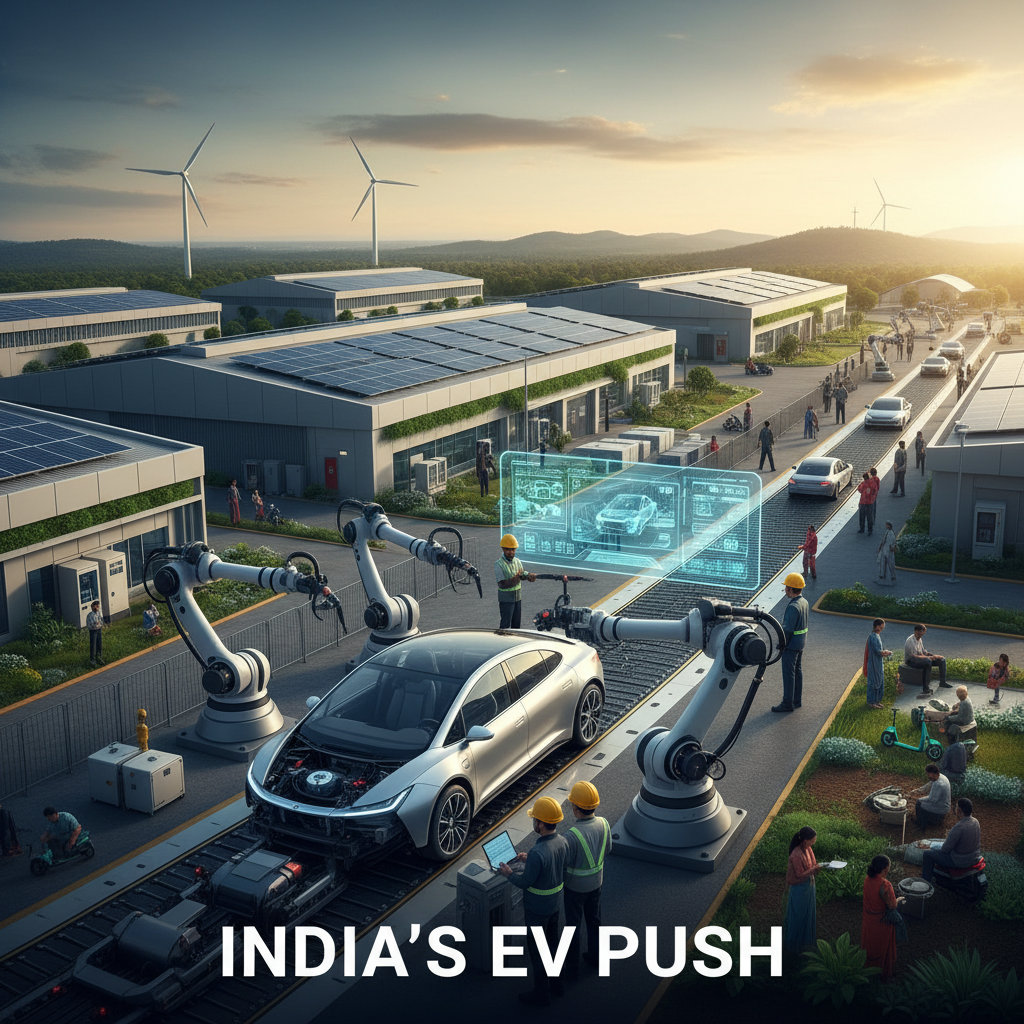
India is accelerating its transition to electric vehicles (EVs), with a clear focus on building resilient industries and creating sustainable livelihoods. This strategic push, spearheaded by the government, is moving from intent to implementation, according to Heavy Industries Minister H.D. Kumaraswamy. The initiative is backed by a multi-pronged approach involving Production Linked Incentive (PLI) incentives, expansion of charging infrastructure, and a strong emphasis on domestic manufacturing.
Context: The Indian government’s commitment to EVs is not new, but the current phase marks a significant shift towards tangible action. The focus is on fostering a robust ecosystem that supports the entire EV value chain, from production to consumer adoption. This includes incentivizing local manufacturing to reduce reliance on imports and boost economic growth.
Analysis: The move is strategically important for several reasons. Firstly, it aligns with global efforts to reduce carbon emissions and combat climate change. Secondly, it positions India as a key player in the rapidly expanding global EV market. The PLI incentives are designed to attract investments in manufacturing, thereby creating jobs and stimulating technological innovation within the country. The expansion of charging infrastructure is crucial to address range anxiety among potential EV buyers, making EVs a more practical option for a wider audience. The emphasis on domestic manufacturing aims to reduce dependence on imports, bolstering the ‘Make in India’ initiative and strengthening the nation’s economic self-reliance.
Implications: The success of this EV push will have far-reaching implications. It will likely lead to the growth of new industries, the creation of skilled jobs, and the development of a more sustainable transportation system. Furthermore, it could also attract significant foreign investment, boosting India’s economic growth. However, challenges remain, including the need for continuous technological upgrades, addressing the cost competitiveness of EVs, and ensuring the availability of critical raw materials. The government’s commitment to providing incentives, expanding infrastructure, and promoting domestic manufacturing will play a pivotal role in overcoming these hurdles.
Conclusion: India’s EV strategy, as highlighted by H.D. Kumaraswamy, is a bold move to build a sustainable and resilient economy. By focusing on domestic manufacturing, infrastructure development, and incentivizing production, India is positioning itself as a key player in the global EV revolution. The success of this initiative will not only transform the automotive industry but also contribute significantly to India’s economic growth and environmental sustainability.
Source: Top ET Manufacturing | Latest Manufacturing News : ETManufacturing.in
About the Author