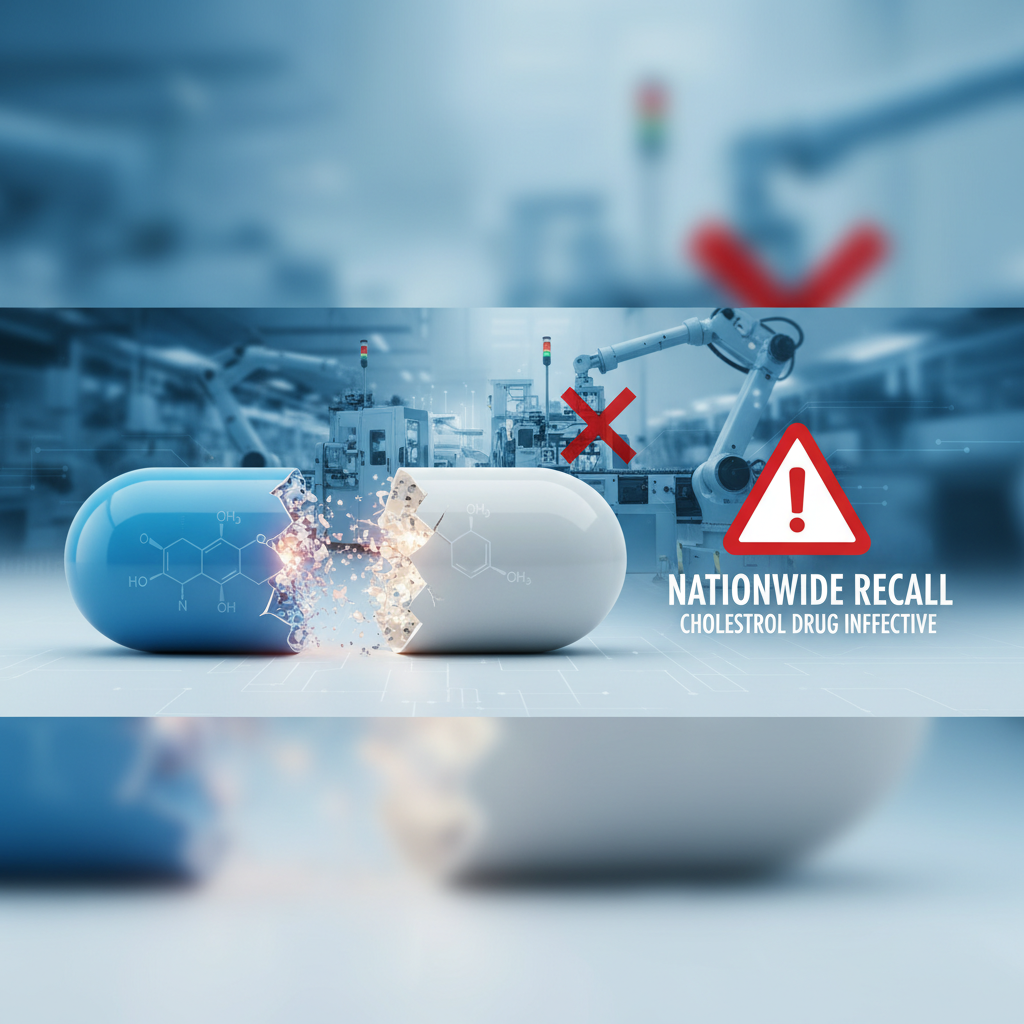
In a concerning development for healthcare consumers, a nationwide recall is underway, encompassing tens of thousands of bottles of cholesterol medication. The recall stems from identified manufacturing defects, raising significant concerns about the potential reduction in drug potency and overall effectiveness. This situation directly impacts patient safety and the reliability of essential medications.
Context: The recall, reported by Latest Business News on Fox Business, highlights critical issues within the pharmaceutical manufacturing sector. The primary concern revolves around manufacturing processes that may have compromised the integrity of the medication, potentially leading to a decrease in the drug’s intended therapeutic effects. While the specific manufacturers and brands affected have not been explicitly detailed in the initial reports, the broad scope of the recall suggests a widespread problem.
Analysis: This recall underscores several strategic implications for the healthcare and manufacturing industries. Firstly, it places a spotlight on the stringent quality control measures necessary in pharmaceutical production. Any lapse in these measures can have severe consequences, directly affecting patient health. Secondly, the recall could lead to increased scrutiny from regulatory bodies, potentially resulting in stricter guidelines and more frequent inspections. For patients, the recall necessitates immediate action, including checking medication lot numbers and consulting with healthcare providers to ensure continued effective treatment.
Implications: The repercussions of this recall are multifaceted. From a business perspective, it could lead to financial losses for the manufacturers involved, including costs associated with the recall itself, potential legal liabilities, and damage to brand reputation. From a patient care standpoint, there are concerns about treatment interruptions and the potential for adverse health outcomes if patients are taking medication that is less effective than intended. The situation also raises questions about the overall resilience of the pharmaceutical supply chain and the ability of manufacturers to quickly identify and address manufacturing defects before they impact patient care.
Next Steps: Healthcare providers and patients are advised to remain vigilant. Patients should check their medication bottles against any recall notices and consult with their doctors to determine the best course of action. Regulatory bodies, such as the FDA, are expected to provide further details on the scope of the recall, the specific medications affected, and the steps being taken to mitigate the impact on public health.
About the Author