Jet fuel prices soar amid geopolitical tensions impacting air travel.
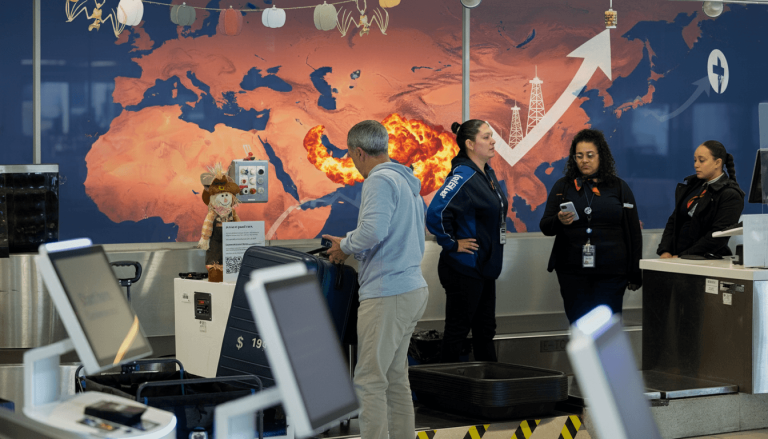
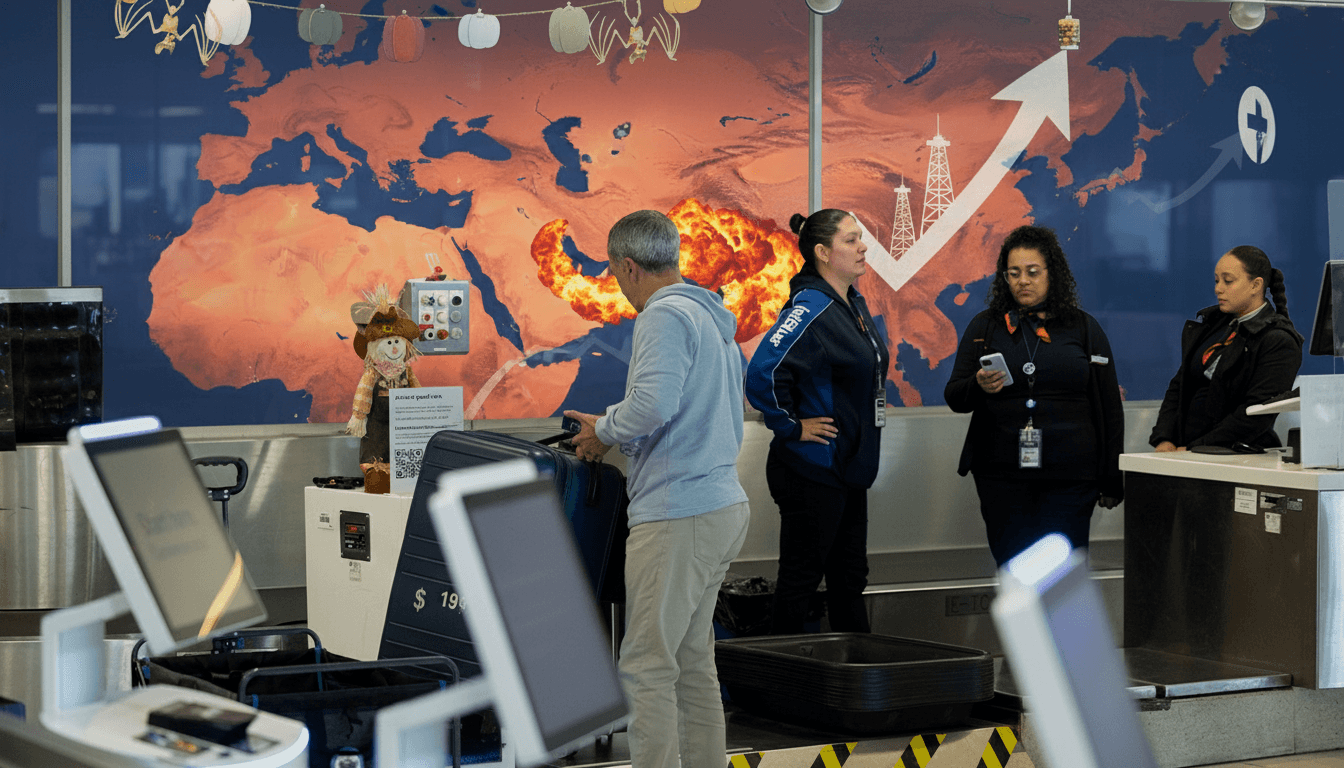
JetBlue is increasing baggage fees for economy passengers by up to $9, attributing the change to surging jet fuel prices caused by the ongoing Iran war and global oil shortages. This move reflects the broader pressures airlines face as geopolitical tensions impact fuel costs.
In a statement to FOX Business, JetBlue explained that the fee adjustments are necessary to manage rising operating costs while maintaining competitive base fares. The airline emphasized its commitment to investing in customer experience, including complimentary snacks, drinks, Wi-Fi, and entertainment.
For domestic, Caribbean, and Latin American flights, the first checked bag will now cost $39 during off-peak travel (up from $35) and $49 during peak periods (up from $40). Passengers paying less than 24 hours before departure will still incur an additional $10 charge. Exemptions apply to those with eligible JetBlue co-branded credit cards or elite frequent flyer status.
While competitors like American Airlines, United Airlines, and Delta Air Lines have yet to announce similar changes, Southwest Airlines stated it has no immediate plans to increase fees due to macroeconomic factors, according to the New York Post.
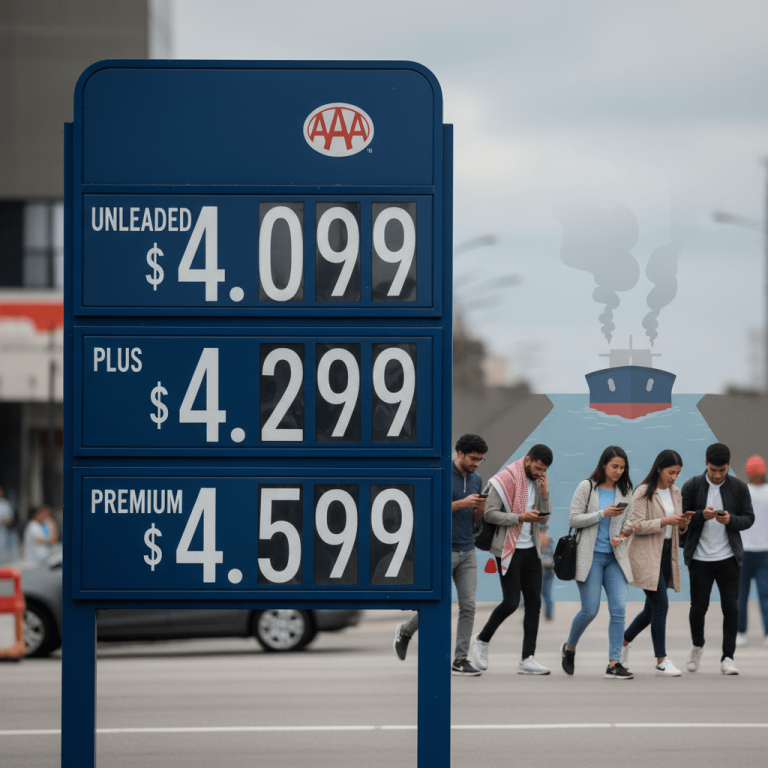
Jet fuel prices in major U.S. markets have surged to an average of $4.62 a gallon, marking an 83% increase since the onset of the U.S. and Israel’s attacks on Iran on February 28, based on Argus data published by Airlines for America. United CEO Scott Kirby noted in a memo that sustained prices at this level could add $11 billion in annual expenses for jet fuel alone.
President Trump addressed the situation on Truth Social, urging countries facing jet fuel shortages due to the Strait of Hormuz situation to purchase from the U.S. and to secure their own oil supplies.
Treasury Secretary Scott Bessent told Fox News that the fuel price increases are temporary, resulting from strains on global fuel supply due to Iranian actions affecting the Hormuz Strait. Bessent added that the U.S. is focused on preserving supply while maintaining pressure on Tehran and has avoided striking Iranian energy infrastructure.
About the Author