Zinc Galvanization: Protecting Indian Railways for a Sustainable Future
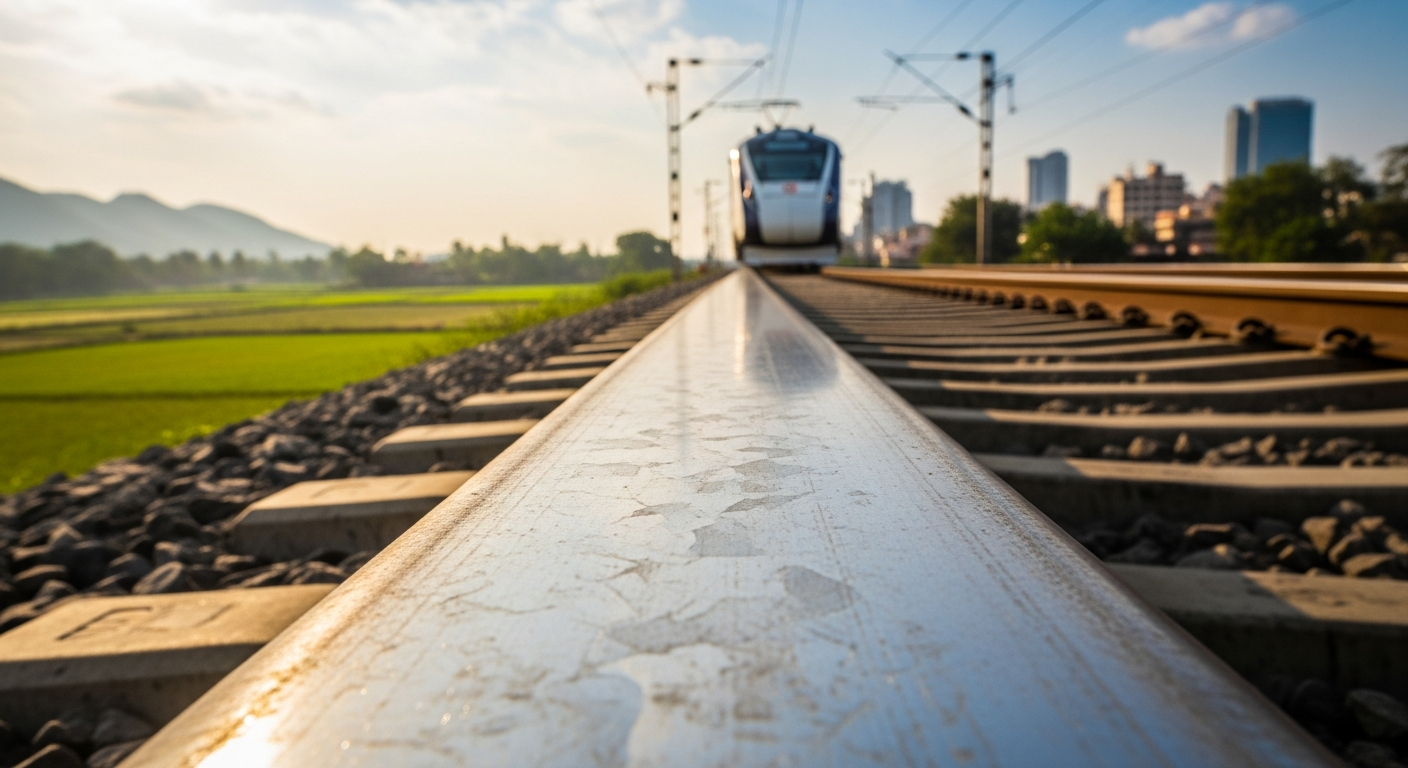
The Indian Railways is undergoing a significant transformation. With ambitious plans for electrification and the development of high-speed corridors, the nation’s railway network is poised for unprecedented growth. However, this expansion brings forth a critical challenge: protecting the steel infrastructure that forms the backbone of this massive undertaking. Corrosion poses a significant threat, potentially shortening the lifespan of vital assets and increasing maintenance costs.
The Zinc Solution: A Durable Shield
A proven and cost-effective solution to this challenge lies in zinc galvanization. This process involves coating steel structures with a layer of zinc, creating a durable barrier against corrosion. This protective layer significantly extends the asset life of railway components, ensuring the long-term resilience of the network. Zinc galvanization is particularly crucial in the context of India’s diverse climate, where exposure to moisture and other environmental factors can accelerate corrosion. By implementing this technology, the Indian Railways can safeguard its investments and ensure the smooth operation of its expanding infrastructure.
Sustainability and Cost-Effectiveness
Beyond its protective qualities, zinc galvanization aligns with sustainability goals. By extending the lifespan of steel structures, it reduces the need for frequent replacements, thus conserving resources and minimizing waste. Furthermore, the process is cost-effective in the long run, as it lowers maintenance expenses and prevents costly repairs caused by corrosion. This makes zinc galvanization an economically sound choice, supporting the Indian Railways’ commitment to efficient asset management.
Ensuring a Resilient Future
In conclusion, zinc galvanization is a vital technology for the future of the Indian Railways. By providing robust corrosion protection, it ensures the longevity and reliability of the nation’s rail network. As India continues to invest in infrastructure development, the adoption of zinc galvanization will be instrumental in achieving sustainability goals and supporting the efficient operation of the railways for years to come. This proactive approach underscores a commitment to building a resilient and sustainable transportation system.
About the Author