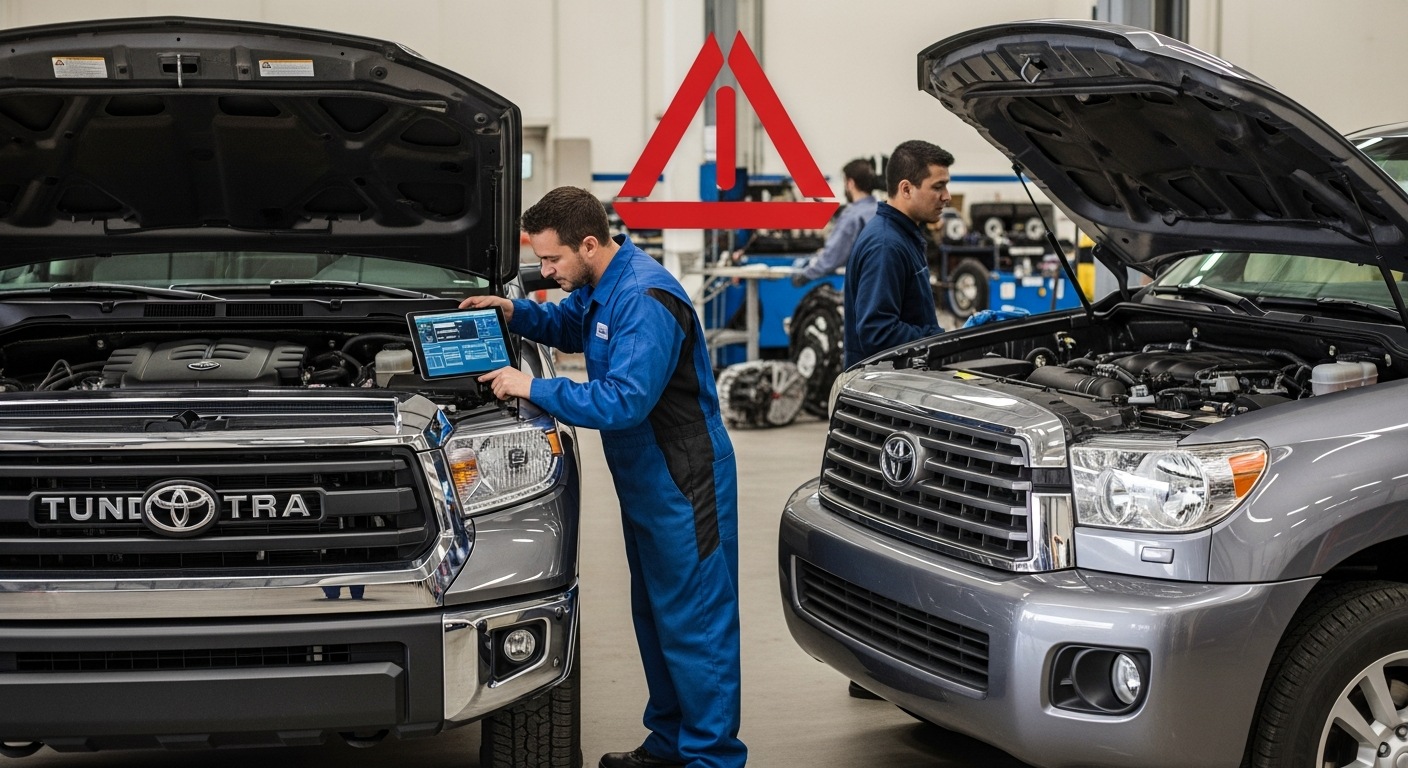
The news hit the wire, a familiar sting: another recall. This time, Toyota. The details, as reported, were concerning. Approximately 127,000 vehicles, pickup trucks and SUVs, affected. The core issue? Engine machining debris.
It’s a problem that could lead to stalling. And, of course, increase the risk of a crash. The implications hung in the air, or maybe it was just the stale office air, as the report circulated.
The recall, according to the official statement, is a precautionary measure. Still, the underlying cause — debris from the engine manufacturing process — raised questions. Specifically, how did this happen? What quality control measures failed?
The recall affects specific models, although the exact dates and locations weren’t immediately clear. However, officials did confirm the recall covers certain Toyota pickup trucks and SUVs. The potential for the engine to fail, leading to sudden stalling, is the primary worry.
A spokesperson for Toyota, in a statement released earlier, emphasized the company’s commitment to safety. “We are taking this matter seriously,” they said, “and are working diligently to address the issue.” The statement, while standard, offered little comfort to those who owned the affected vehicles, or maybe it did, depending on one’s perspective.
The recall comes at a time when the automotive industry is grappling with supply chain issues and increased scrutiny. The ripple effects, the practical fallout for owners, remain to be seen, or maybe they are already being felt. The potential for disruption, the inconvenience of repairs, and the lingering worry about safety.
The news, in a way, felt both sudden and inevitable. A reminder that even established brands face challenges. And that even the most careful processes can, sometimes, fail.
About the Author