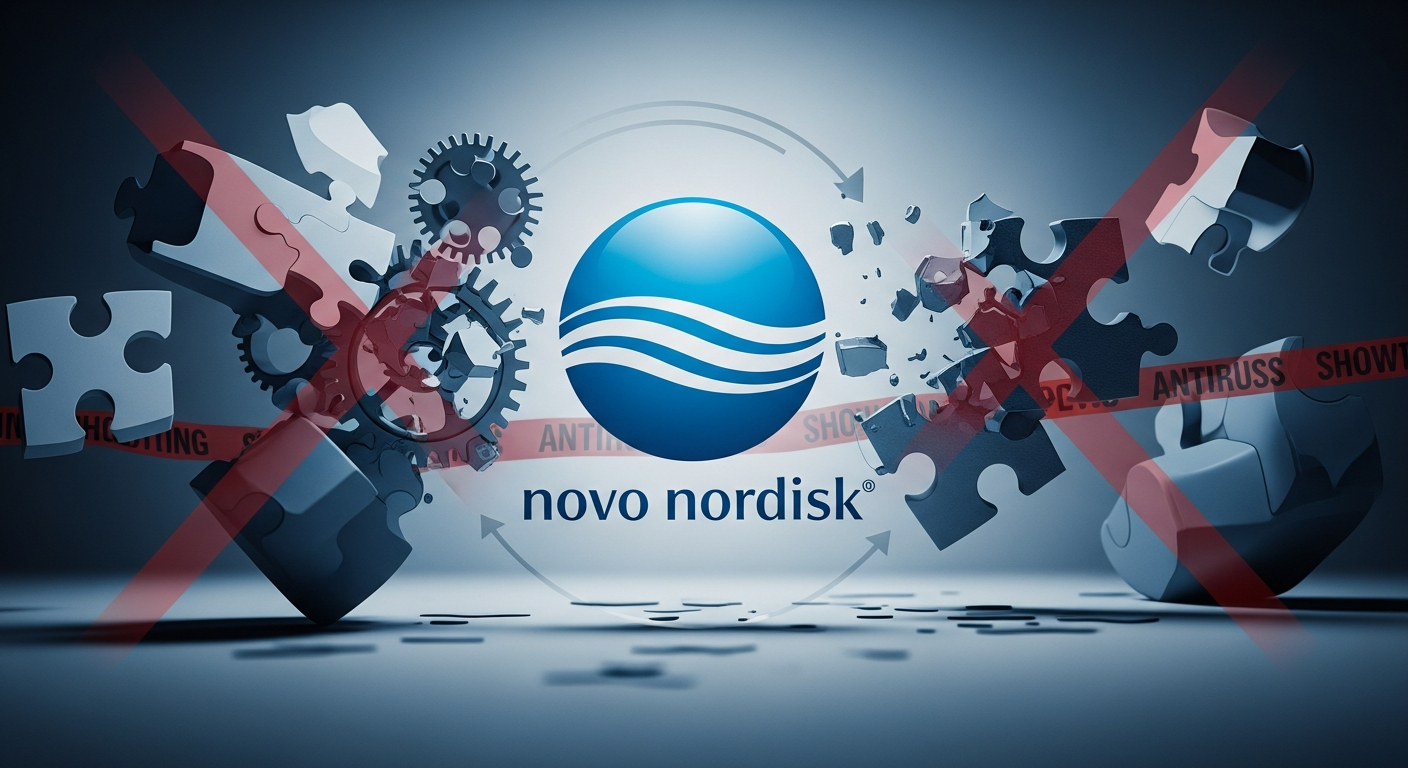
Novo Nordisk’s Metsera Bid: Antitrust Concerns Amidst Shutdown
In a move that has raised eyebrows, Danish pharmaceutical giant Novo Nordisk is seeking to acquire the American weight-loss drug company Metsera. This potential acquisition, occurring during a government shutdown, has sparked concerns about antitrust review and regulatory scrutiny, as highlighted by MIKE DAVIS in a recent report. The core issue revolves around whether this strategic move is primarily driven by a desire to secure fat profits, potentially at the expense of fair market practices.
The Acquisition and Its Implications
The acquisition of Metsera by Novo Nordisk is a significant event in the pharmaceuticals sector. The primary WHAT is the weight-loss drug, and the HOW is the acquisition of an American company. The WHY behind this move, according to scrutiny, appears to be a calculated effort to bypass the standard checks and balances. The WHEN, during a government shutdown, is particularly concerning, as it may provide an opportunity to avoid the rigorous oversight typically provided by the FTC (Federal Trade Commission). This raises critical questions about the intent and potential consequences of such a transaction.
Antitrust and Regulatory Concerns
The potential for reduced regulatory scrutiny is a major point of contention. The FTC plays a vital role in ensuring fair competition and preventing monopolies. However, a government shutdown can limit the agency’s capacity to thoroughly review mergers and acquisitions, potentially allowing entities like Novo Nordisk to proceed with less resistance. This scenario creates an environment where companies might exploit temporary regulatory gaps to their advantage. MIKE DAVIS’s analysis emphasizes the importance of robust oversight to protect consumers and maintain a competitive market.
The Broader Context
The WHERE of this situation is America, where the acquisition is taking place. The WHO involved, including Novo Nordisk, Metsera, and the FTC, are key players in this unfolding drama. The WHY behind such acquisitions often involves a combination of market expansion, profit maximization, and the desire to control key technologies or products. However, the timing and context of this particular deal suggest additional factors are at play, namely the potential to minimize regulatory hurdles. This raises critical questions about corporate responsibility and the integrity of market practices.
Conclusion
The attempted acquisition of Metsera by Novo Nordisk during a government shutdown presents a complex scenario. While mergers and acquisitions are common in the pharmaceutical industry, the potential for reduced regulatory oversight raises serious concerns. The focus should be on ensuring that such transactions are conducted transparently and do not undermine the principles of fair competition. The FTC’s role in this process is crucial, and the outcome of this deal will have significant implications for the market.
About the Author