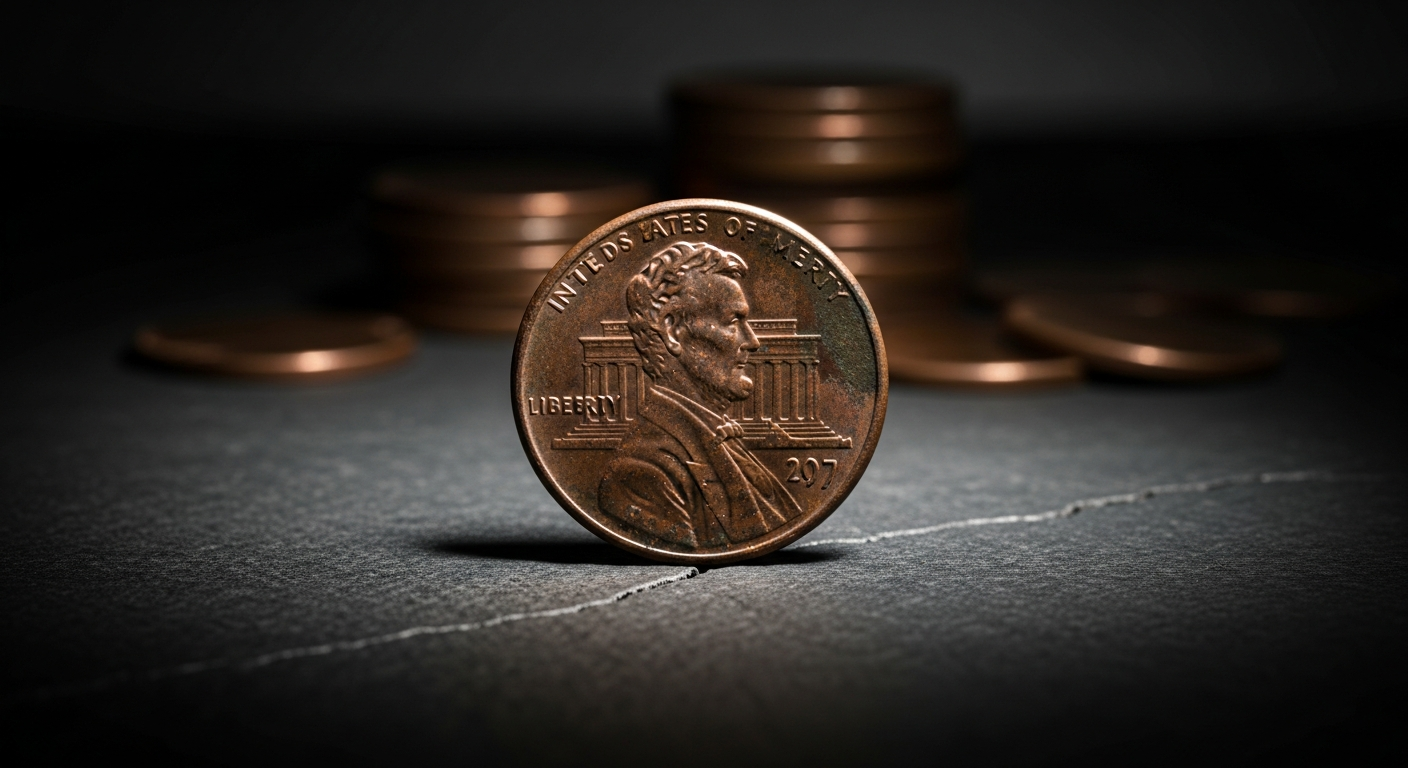
The air in the Treasury building was thick with… something. Anticipation, maybe? Or maybe just the usual Washington humidity. Either way, Wednesday felt different. That was the day the U.S. was scheduled to mint its very last penny.
It’s a quiet end, honestly, to a run that stretches back more than 230 years. You wouldn’t think something so small could carry so much weight, but there it was: the culmination of a long, sometimes frustrating, and definitely expensive history.
Treasury Secretary Scott Bessent, I’m told, was the one who struck the final coin. No fanfare, as far as I could gather. Just a final tap, a final glint of copper, and then… done.
The reason, as you likely already know, boils down to cost. Each penny, officials say, costs about four cents to produce. Four cents to make one cent. The math doesn’t really work, does it?
I spoke to an economist earlier, who said, “It’s a textbook example of sunk costs, really. We’ve been doing it for so long, it’s hard to stop.” The tricky part is, they have stopped now.
The whole thing felt strangely… final. The end of an era, I suppose. The U.S. Mint, once a symbol of American industry, is now adapting to a very different financial landscape. The penny, it seems, just didn’t fit anymore.
And, as per reports, the U.S. Treasury made the call, officially halting production. I mean, it’s not like they can keep losing money on every single coin.
It’s a small thing, really, the penny. But the decision to stop making it… well, it says something about where we are, doesn’t it?
About the Author