The numbers, they say, don’t lie. But sometimes, they whisper a story you have to strain to hear. Take the fertilizer subsidy in India. It’s a huge figure, hovering around $20 billion annually, as of recent estimates. A lifeline, meant to keep food prices down and farmers afloat. But a deeper look reveals a problem, a slow-motion crisis, really.
It’s about the soil, and what’s *not* in it. The soil health. Or, rather, its decline. Farmers, many of them, are over-applying urea, the cheap nitrogen fertilizer. Blindly, it seems. Without knowing what their soil actually *needs*. That’s the core of the problem, according to a report from the Indian Council of Agricultural Research, released in late 2023.
The problem isn’t just the over-application. It’s the ignorance, the lack of awareness about soil parameters. Which macro, which micro nutrients are deficient? It’s a systemic problem, really. A situation where the cure — the fertilizer — is also, in a way, part of the disease.
And it’s a complicated picture. The government’s subsidy is meant to help, but it also distorts the market. It encourages overuse, making the problem worse. “Farmers often don’t realize they are creating an imbalance,” said Dr. Ramesh Chand, a leading agricultural economist, during a recent policy forum. He further elaborated that the focus is on quantity, not quality.
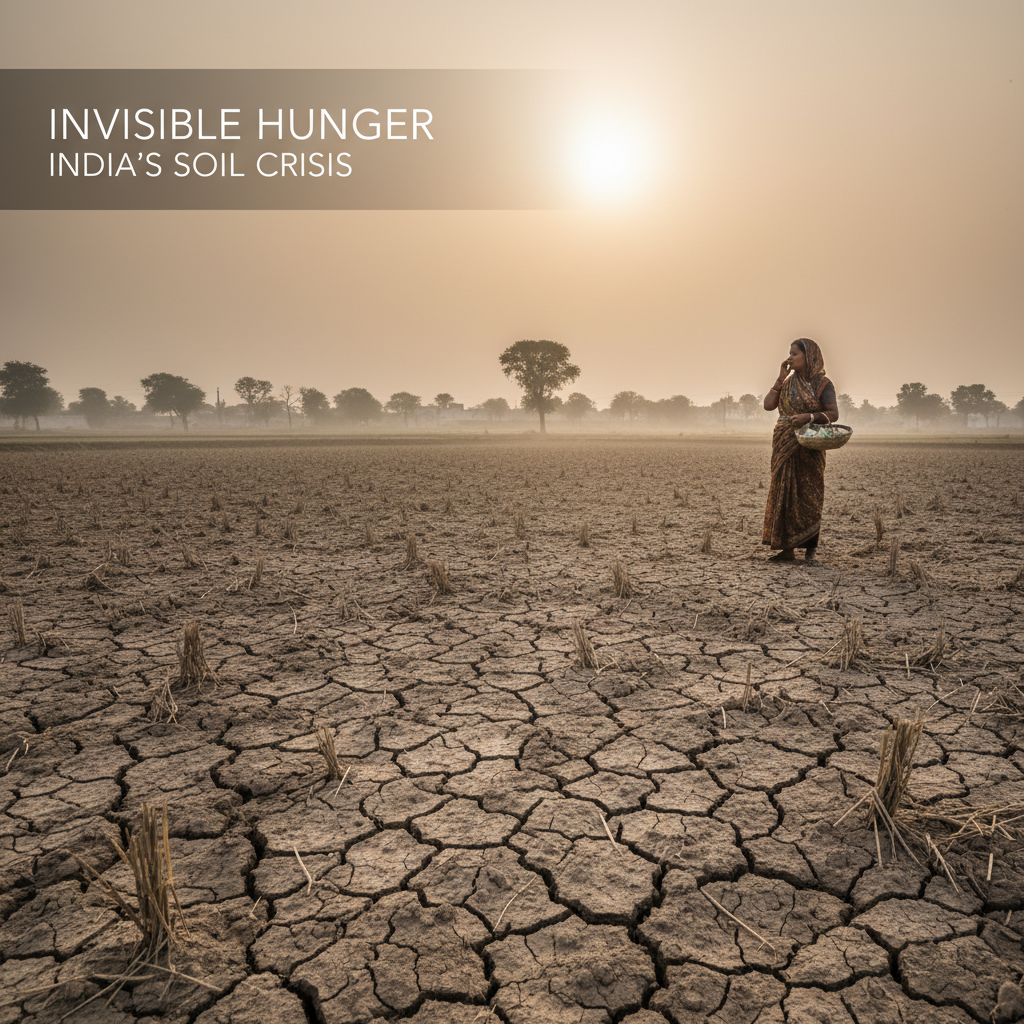
The consequences? Crops that yield less, that lack vital nutrients. The “invisible hunger,” as some are calling it. A slow erosion of food security. This isn’t just an agricultural issue, it’s a public health one. The food, it’s less nutritious.
The air in the room felt heavy when discussing the long-term implications, the meeting I attended last week, where these issues were front and center. The cost of correcting the soil imbalances? It’s huge, and it’s growing. Some estimates suggest it could cost billions to restore the soil health across India. Or maybe that’s just how it looks right now.
There’s a need for a shift. A move towards soil testing, towards balanced fertilizer use. And a change in the subsidy structure, or maybe an overhaul. The conversation is happening, but the pace of change? Slow.
The future hinges on the choices made today. The decisions about fertilizer, about soil. Decisions made in the fields, in the labs, and in the halls of power.
About the Author