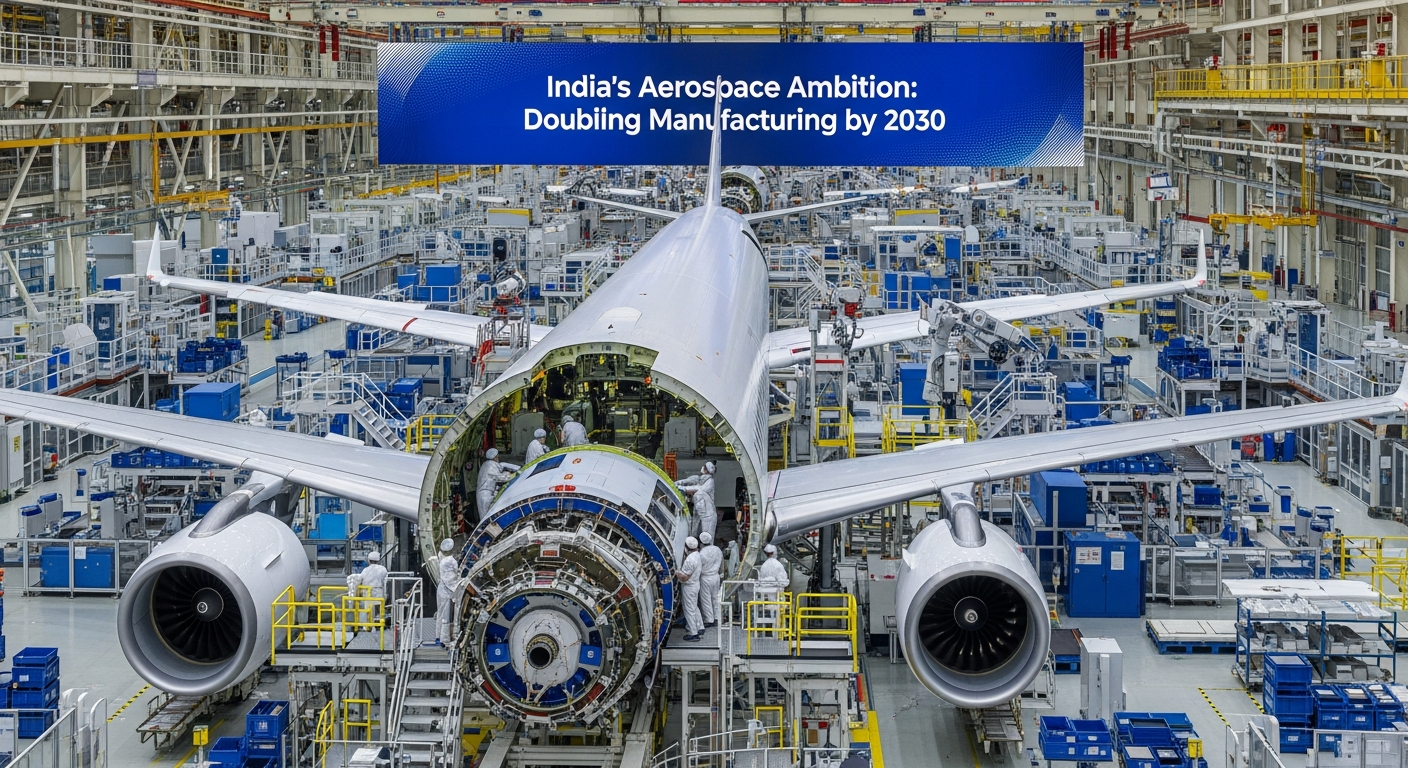
The air in Bangalore hums, a low thrum of ambition. It’s a sound that’s been building for years, and now, it’s getting louder. India’s civil aviation minister recently announced a bold target: double the aerospace manufacturing market to $4 billion by 2030. The current market valuation? A cool $2 billion.
It’s a big lift. But walking the halls of the Aero India show, you get a sense of the momentum. The displays gleam with promise – from sleek fighter jets to intricate components. The air is thick with the scent of jet fuel and possibility. This isn’t just about assembling planes; it’s about building an entire ecosystem.
The minister’s statement, reported by ET Manufacturing, highlights a strategic push. India aims to become a significant player in the global aerospace supply chain. That means not just importing, but designing, manufacturing, and exporting. The ‘why’ is clear: economic growth, job creation, and strategic independence.
Consider the scale. This isn’t just a government directive; it’s a bet on Indian engineering talent, on local manufacturing capabilities. It’s a bet on companies like Hindustan Aeronautics Limited (HAL), already a major player, and on the scores of smaller firms that supply parts and services.
The challenge, of course, is immense. Global competition is fierce. Supply chains are complex. But the energy here feels different. There’s a sense of purpose, a collective drive. As one industry insider told me, “The government is serious this time. They’re putting their money where their mouth is.”
The path to $4 billion won’t be easy. But standing in the shadow of these giants, you can almost hear the future taking shape, one meticulously crafted component at a time. The year is 2030. The sky, for India’s aerospace industry, is no longer the limit.
About the Author