The fluorescent lights of the briefing room hummed, a low thrum against the backdrop of the city. It was Tuesday, and the air in the building felt thick with expectation, or maybe just the usual Tuesday-morning haze. The International Energy Agency (IEA) had just released its latest projections.
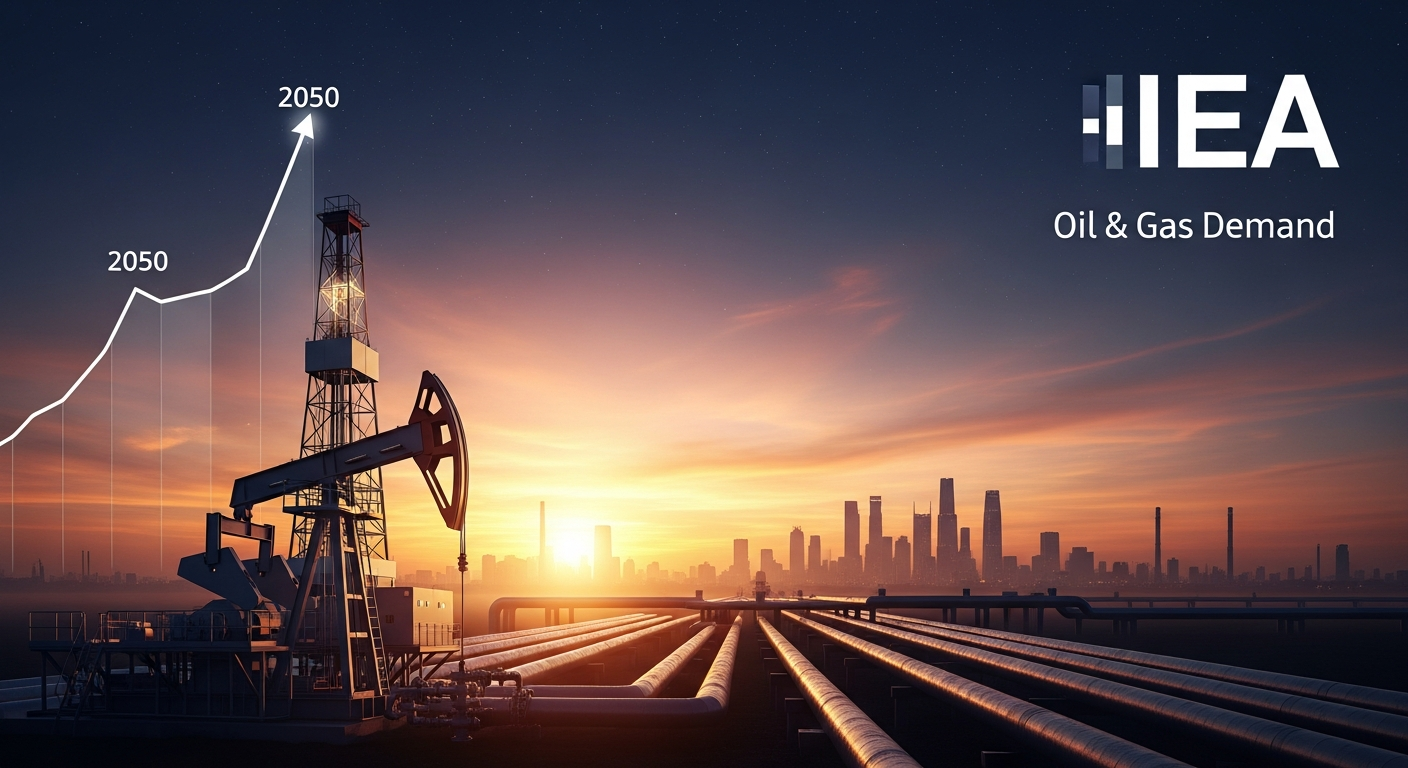
The headline, as it turned out, was a bit of a shocker. Or at least, it was a change. Oil and gas demand, the IEA now suggests, *could* continue growing until 2050. That’s a significant shift from earlier forecasts, which had hinted at a peak and then a decline.
This wasn’t some backroom whisper either. The report, as per sources, attributes the change to a slower-than-anticipated adoption of green energy solutions. The specifics – the numbers, the percentages – were still being digested by many in the room. The details mattered, of course, but it was the bigger picture that felt most significant.
I remember someone mentioning the date, 2050, as if it were a distant country. A long time from now. A lot can happen. It’s easy to get lost in the numbers, the projections, the shifting sands of the market. But the core story, as an official from the IEA put it, “is about the speed of change.”
The room felt tense — still does, in a way. The implications are huge, of course. For the environment, for the economy, for the entire energy landscape. The IEA is a powerful voice in these discussions, and its reports are taken seriously. They shape policy, influence investment, and set the tone for the global conversation.
And the report itself? It’s a complex document. It moves between different scenarios, different assumptions. It acknowledges that the future is uncertain. But it also makes a clear statement: the transition to a greener future may be a longer journey than many had hoped.
So, the question now is: What happens next?
About the Author