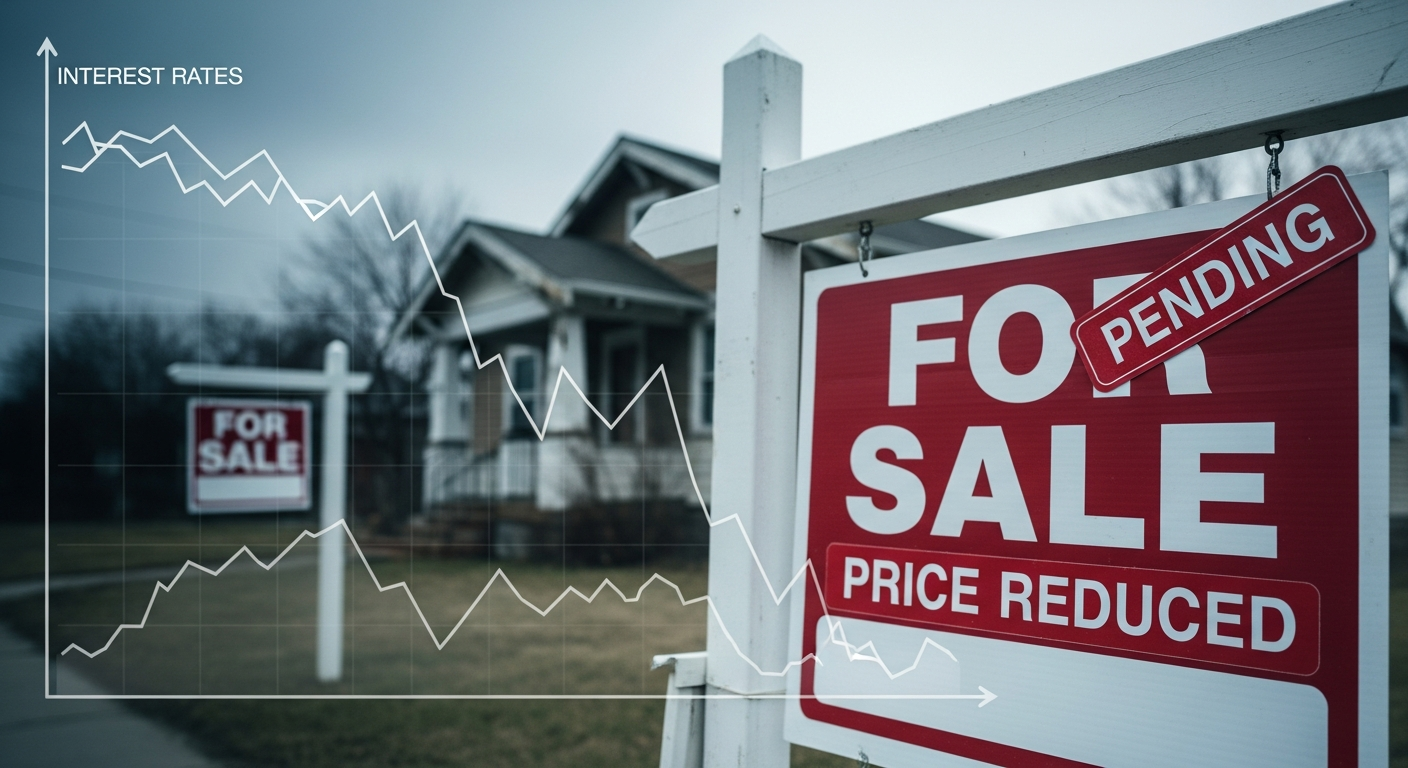
Bessent: High Rates Triggering a Housing Recession
In a recent statement, Treasury Secretary Scott Bessent declared that the U.S. housing market is currently experiencing a recession. This assessment, reported by Fox Business, pins the blame on the Federal Reserve’s interest rate policies. Bessent reiterated his call for the Fed to consider interest rate cuts to alleviate the pressure on mortgage rates.
The Core Issue: Interest Rates and Housing
The primary driver behind the housing market’s downturn, according to Bessent, is the prevailing high-interest rate environment. The Federal Reserve, in its efforts to combat inflation, has steadily increased interest rates. These hikes have, in turn, made mortgages more expensive, thereby cooling down the housing market. Potential homebuyers are now faced with higher monthly payments, leading to decreased demand and slower sales. This situation has prompted Bessent to advocate for policy adjustments.
Bessent’s Stance and Proposed Solutions
Bessent’s position is clear: the current monetary policy is detrimental to the housing market and, by extension, the broader economy. He urges the Federal Reserve to consider lowering interest rates as a means to stimulate the market. Reducing interest rates could make mortgages more affordable, potentially boosting demand and leading to a recovery in the housing sector. The call for Fed cuts reflects a concern about the potential negative impacts of prolonged high-interest rates on economic growth.
Economic Implications
The health of the housing market is often seen as a barometer of the overall economy. A downturn in housing can have ripple effects, impacting various sectors such as construction, real estate, and related industries. Bessent’s remarks underscore the importance of monitoring and adapting monetary policy to ensure economic stability. The call for Fed cuts is not just about the housing market; it’s about mitigating the risk of a broader economic slowdown.
Conclusion
Scott Bessent’s assessment of the U.S. housing market highlights the delicate balance the Federal Reserve must strike between controlling inflation and supporting economic growth. His call for interest rate cuts reflects a concern that the current policies are exacerbating a downturn in the housing sector. As the economic landscape continues to evolve, the decisions made by the Federal Reserve will play a critical role in shaping the future of the housing market and the economy as a whole.
About the Author