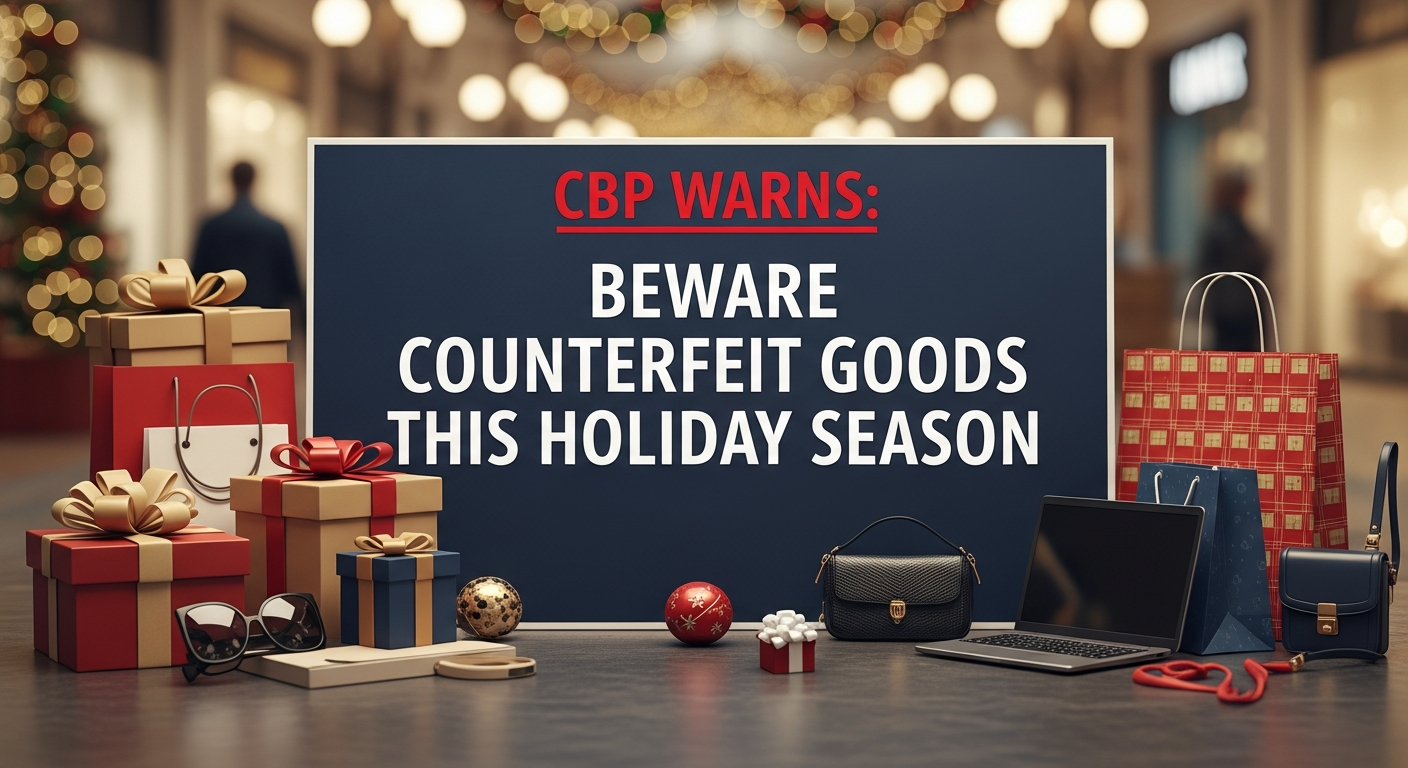
The air in the CBP press conference felt… serious. Not overtly dramatic, but a quiet, underlying tension. It was just before the holiday shopping season, and the message was clear: beware.
U.S. Customs and Border Protection, or CBP, issued a stark warning. Shoppers needed to be vigilant. The issue? Counterfeit goods, flooding the market, posing risks most people don’t even consider.
Officials, speaking from a Washington D.C. headquarters, laid out the stakes. These aren’t just cheap knockoffs. They can be dangerous. They fund criminal networks. And they’re everywhere.
A CBP representative, during a briefing on November 15, 2024, pointed out the sheer scale. Millions of dollars in fake goods are seized annually. The numbers are staggering, but it’s hard to grasp the scope of it all.
The agency highlighted everything from fake designer handbags to electronics. Some, officials noted, contain hazardous materials. Others simply fail, leaving consumers out of pocket. And then there’s the bigger picture.
“These counterfeits often support organized crime,” the CBP representative stated. “It’s not just a matter of getting a bad deal; it’s about inadvertently funding illegal activities.”
The room felt tense — still does, in a way. The details are unsettling. Fake pharmaceuticals, for example. Or counterfeit cosmetics, containing who-knows-what. The potential health impacts are considerable.
The advice? Be cautious. Research sellers. Check reviews. If a deal seems too good to be true, it probably is. The official advice is sound enough, but the sheer volume of fakes makes it a daunting task, especially with holiday pressures.
The CBP’s warning serves as a reminder. Shopping, especially now, is more complex than it seems. There’s a web of risk, unseen, and sometimes, the cost is far greater than money.
About the Author