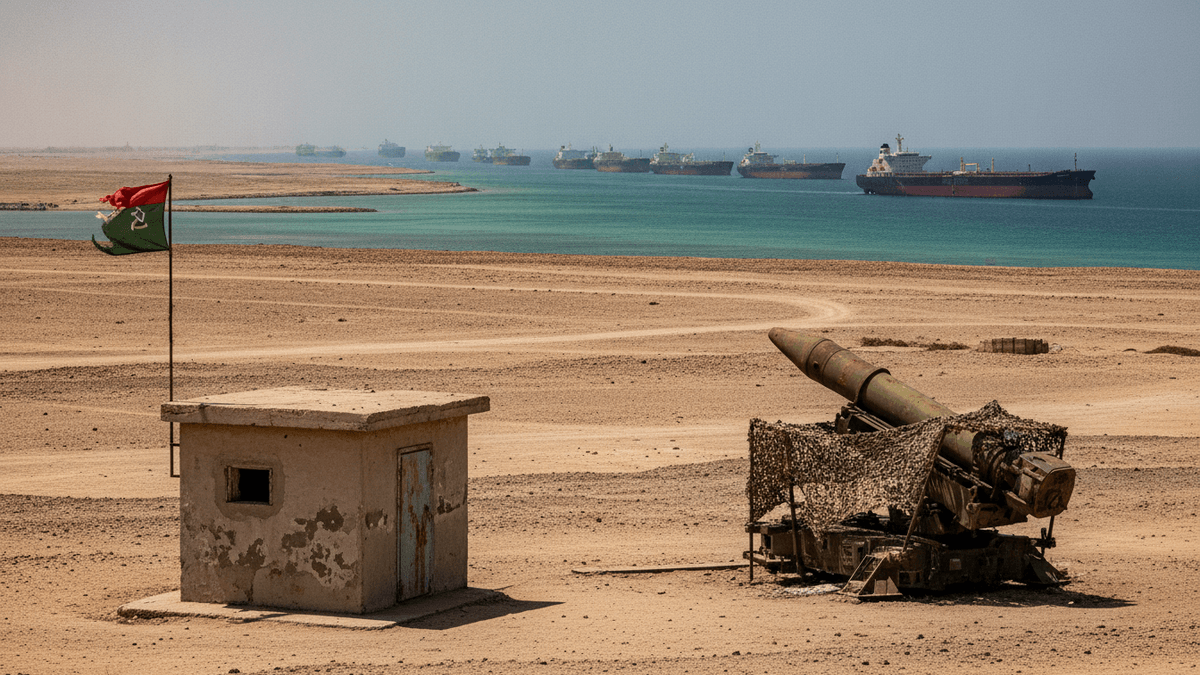
Iranian flag, coastal bunker, and anti-ship missile overlooking the Strait of Hormuz.
President Trump is maintaining a firm stance on any potential deal with Iran, emphasizing that it will not be a bad agreement. White House sources indicate an 80% to 85% probability of finalizing what is being termed the Islamabad memorandum of understanding (MoU) in the coming days.
This MoU reportedly incorporates all of President Trump’s established “red lines.” Crucially, the entire agreement is contingent upon Iran altering its behavior in ways that can be verified and meet specific performance benchmarks.
Key provisions of the MoU include preventing Iran from acquiring nuclear weapons. This involves the removal and destruction of already-enriched uranium, with oversight from United Nations International Atomic Energy Agency inspectors and American personnel to verify the process. Iran’s long-term nuclear ambitions would also be terminated through included technical inspection procedures.
Administration sources state the approach is to “verify, verify, verify,” ensuring Iran does not gain concessions without fulfilling its obligations. Furthermore, Iran must cease funding terrorism in the region, and a comprehensive regional peace deal is part of the proposed agreement. Additionally, Iran would agree to opening the Strait of Hormuz, contingent on compliance with the deal.
Significantly, sources indicate that Iran will receive no money upon signing the MoU. Any sanctions relief is directly tied to Iran’s actual performance. Financial benefits will only be provided if Iran changes its behavior and begins acting like a normal country in accordance with the agreement.
It is important to note that this is a memorandum of understanding, not the final deal. Substantial bargaining on technical details and verification processes will still be necessary, even if the MoU is signed. This agreement marks a potential beginning, but not the end, of resolving the conflict.
President Trump’s strategy of coercive diplomacy is expected to continue if Iran fails to meet the outlined conditions. It is suggested that Trump’s threat to destroy Iran’s infrastructure may have accelerated the progress of this MoU.
The core of this agreement lies in performance incentives, requiring a demonstrable change in Iran’s behavior. As the saying goes, “Trust, but verify.”
About the Author




