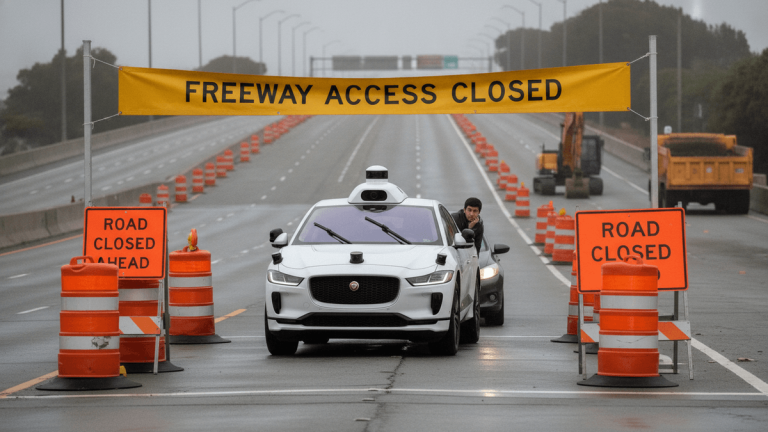
AI’s Impact: Which Jobs Are Shielded from Automation?
The rise of artificial intelligence (AI) is transforming industries, with automation becoming an increasingly prominent factor. While the technology promises efficiency and innovation, it also raises questions about job security across various sectors. According to experts, the impact of AI will vary significantly depending on the industry and the nature of the work.
Industries Facing Higher Automation
Software and finance are among the sectors expected to experience more significant automation. In software development, AI tools can automate coding tasks, testing, and debugging, potentially reducing the need for human developers in certain areas. The finance sector is also ripe for automation, with AI-powered algorithms capable of handling tasks like data analysis, fraud detection, and customer service. This could lead to streamlining operations and reducing the workforce in some areas.
Industries with Greater Resilience
Conversely, some industries appear to be more insulated from the immediate effects of AI-driven automation. Healthcare, construction, and skilled trades are sectors where human expertise and hands-on skills remain crucial. While AI may offer tools to assist in these fields, the need for human judgment, empathy, and physical dexterity will likely persist.
Healthcare
In healthcare, AI can assist with diagnosis, treatment planning, and administrative tasks. However, the complex nature of patient care, requiring human interaction and nuanced decision-making, makes it less susceptible to complete automation. Doctors, nurses, and other healthcare professionals will likely continue to play a vital role.
Construction and Skilled Trades
Construction and skilled trades involve physical labor and the application of specialized skills that are difficult to replicate with current AI technology. While AI-powered robots may assist with certain tasks, the need for human oversight, problem-solving, and adaptability will remain essential. Electricians, plumbers, carpenters, and other skilled workers are likely to see their jobs evolve rather than disappear.
The Role of Data
The extent to which automation will affect different industries hinges on the availability of relevant data. Industries with abundant, well-structured data are more likely to see the rapid adoption of AI-powered solutions. In contrast, sectors that rely on unstructured data, human interaction, or specialized skills may face slower automation rates.
Conclusion
The impact of AI on the job market will be multifaceted and uneven. While some sectors may experience significant workforce changes due to automation, others are likely to remain more resilient. Understanding these differences is crucial for workers, policymakers, and businesses as they navigate the evolving landscape of AI and its effects on the future of work.
About the Author