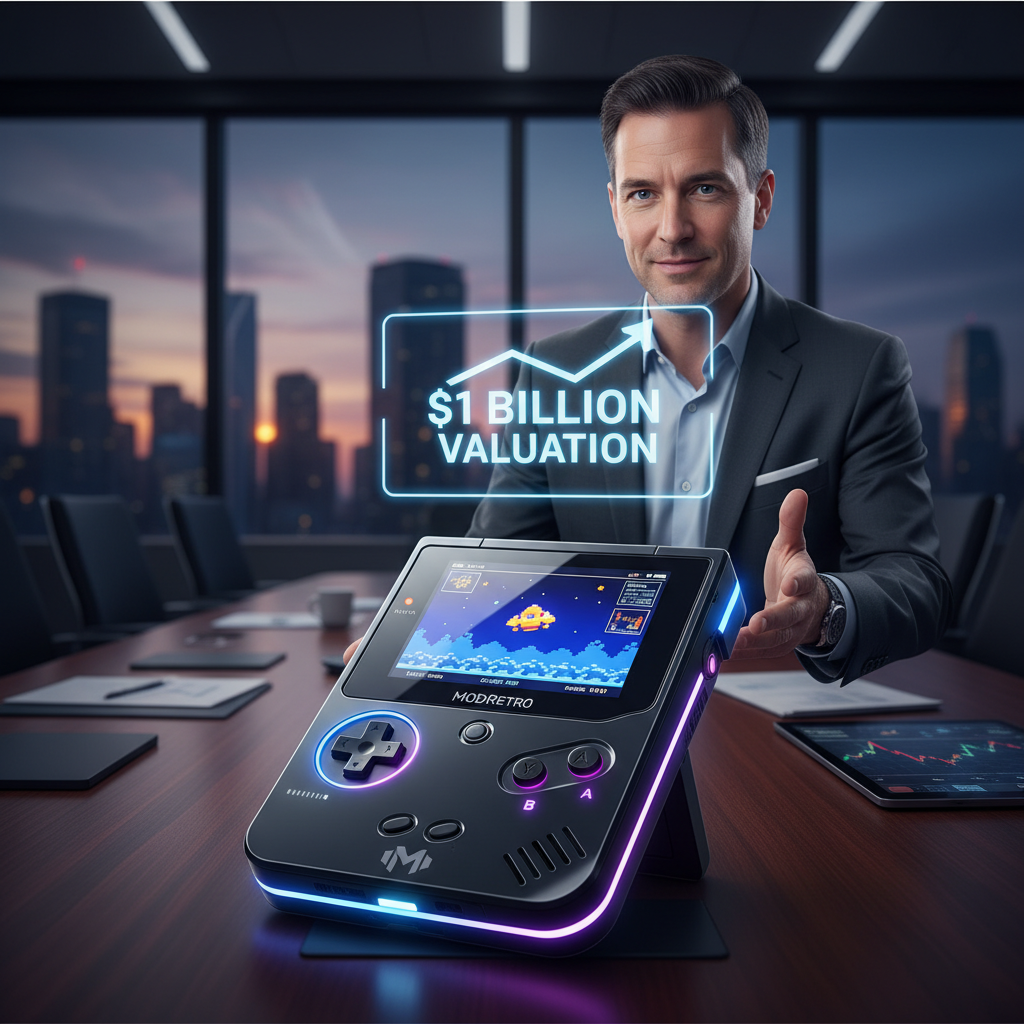
The hum of servers filled the air as engineers at ModRetro huddled around a thermal imaging screen. It was late March 2026, and the team was running stress tests on the Chromatic, the Game Boy-style handheld device that had launched to some fanfare two years prior. The device, designed to play classic retro games, was now reportedly seeking funding at a $1 billion valuation, according to sources.
The Chromatic’s initial release in 2024 was met with enthusiasm from retro gaming enthusiasts, but the market is always fickle. Demand for the device was strong initially, but the team still needed to ensure the device could handle extended play sessions without overheating—or causing any unexpected shutdowns. The Chromatic’s design, while nostalgic, had to meet modern performance standards. Or maybe that’s how the supply shock reads from here.
“We’re seeing strong interest,” a ModRetro executive, who wished to remain anonymous, commented during a recent analyst call. “Our projections show a steady growth trajectory, with a focus on expanding our game library and improving the Chromatic’s hardware capabilities. We are targeting a release of our next generation device, the Chromatic Pro, in Q4 2027.” The executive further stated that the company is aiming to secure funding to ramp up production and expand its team.
The funding round, if successful, would be a significant milestone for Luckey, who previously founded Oculus VR. The retro gaming market has shown resilience, but faces competition from established players like Nintendo and emerging handheld manufacturers. Venture capital firms are always looking for the next big thing, especially in the gaming industry, so the valuation is perhaps not as surprising as it might seem.
The Chromatic’s success depends on several factors. The device’s appeal hinges on its ability to faithfully recreate the retro gaming experience, while also offering modern conveniences. ModRetro must also navigate the complex landscape of intellectual property rights, as it seeks to offer a wide range of classic games to its users. The company is, of course, also subject to the same global supply chain constraints as everyone else.
“The retro gaming market is a niche, but it’s a dedicated one,” noted analyst Sarah Jones of Wedbush Securities. “ModRetro’s success will depend on its ability to carve out a unique space, offering a compelling product and a strong community experience. They will need to offer something new, and fast.”
The engineering team, still huddled around the thermal imaging screen, watched as the device continued to run. The room was quiet, save for the whir of fans and the occasional tap of a keyboard. The future of ModRetro, and the Chromatic, hung in the balance.
About the Author