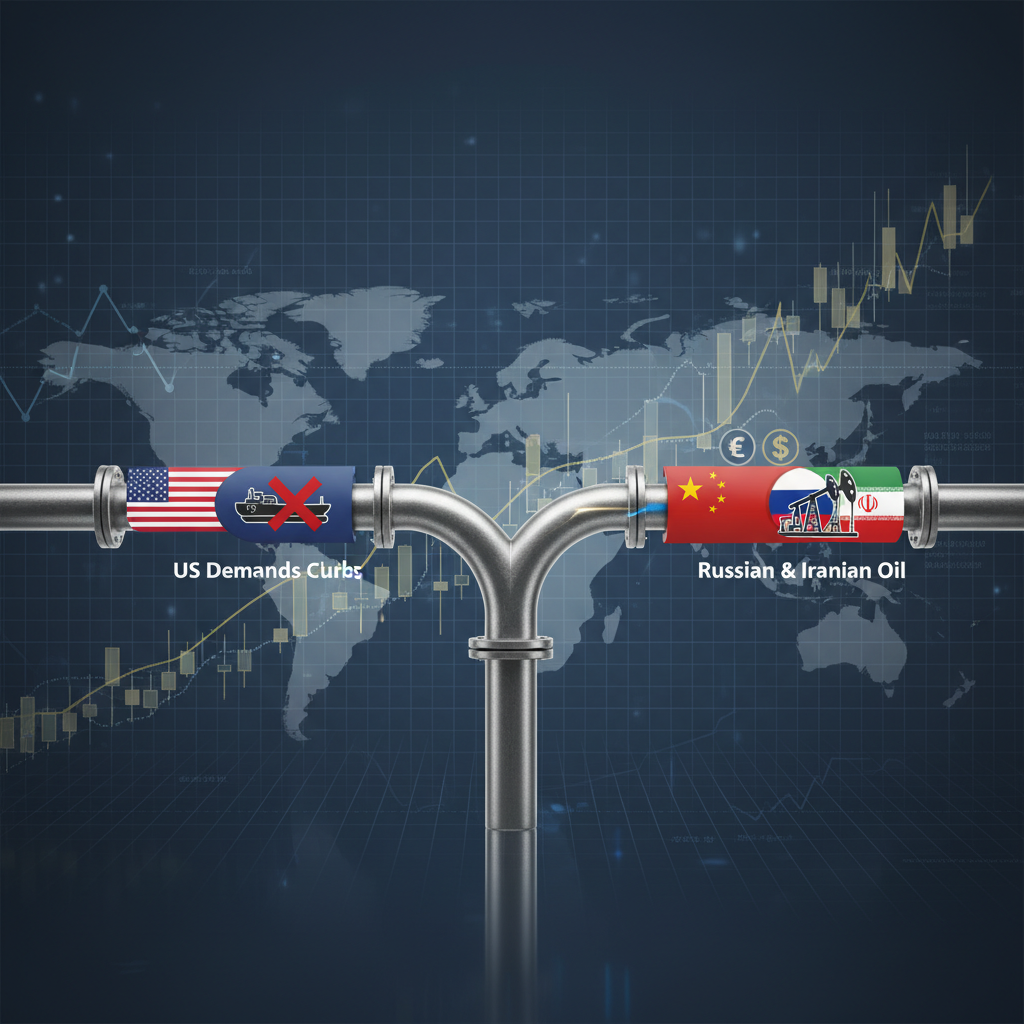
In a move that could reshape global energy dynamics, the U.S. is weighing whether to directly ask China to curb its purchases of oil from Russia and Iran. This potential request is reportedly being considered as Treasury Secretary Bessent prepares for talks in Paris, where trade negotiations will be a key focus.
The core of the matter revolves around a strategic shift in energy procurement. The U.S. seeks to encourage China to transition away from reliance on Russian and Iranian oil, and instead, increase its consumption of U.S. energy. This strategy is driven by several factors, including ongoing geopolitical tensions and a desire to bolster the U.S. energy sector.
During trade negotiations in Paris, Treasury Secretary Bessent will likely address this issue. The discussions will center on how the U.S. can facilitate a shift in China’s energy deals, promoting U.S. energy sources as viable alternatives. This strategy is part of a broader effort to exert economic influence and address concerns related to the ongoing conflicts involving Russia and Iran.
The implications of such a request are significant. If China were to comply, it would represent a considerable economic win for the U.S. energy industry and could further isolate Russia and Iran economically. However, it also presents challenges, including the potential for strained trade relations with China, which is a major consumer of Russian and Iranian oil.
The situation remains fluid, and the outcome of the Paris talks is uncertain. The U.S. approach reflects a complex interplay of economic, diplomatic, and geopolitical considerations. The success of any such initiative hinges on the willingness of China to cooperate and the ability of the U.S. to offer compelling alternatives.
About the Author