The hum of servers filled the air, a constant white noise punctuated by the staccato clicks of keyboards. It was a Tuesday afternoon in late March 2026, and the Narada engineering team, led by David Park, was deep in a code review. The air hung thick with the scent of instant coffee and the unspoken pressure of a rapidly approaching deadline.
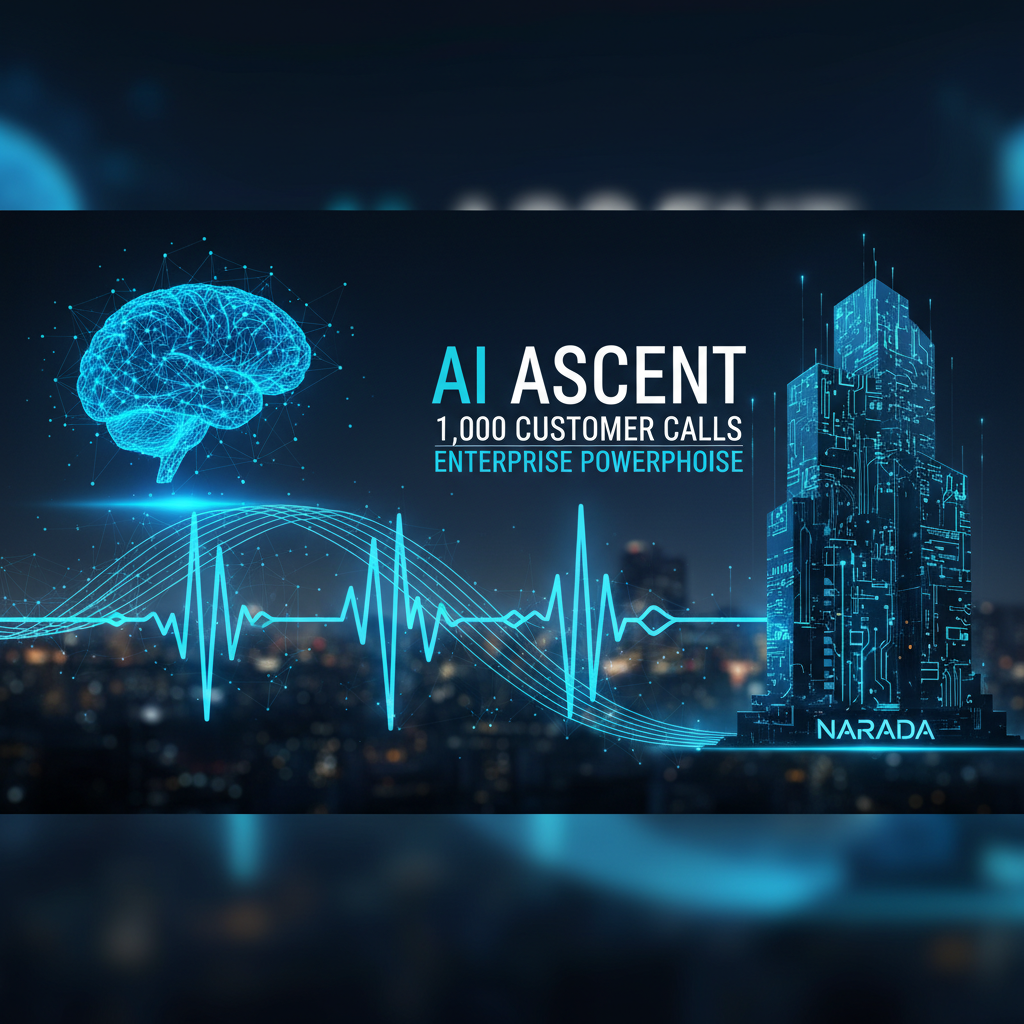
Park, along with Isabelle Johannessen, had just wrapped up a Build Mode episode discussing the very foundation of Narada’s success: customer calls. Over a thousand conversations, meticulously logged and analyzed, had shaped the company’s trajectory. This wasn’t just market research; it was the lifeblood of their product development.
“We built Narada on the principle of extreme customer focus,” Park explained during the podcast, “Every feature, every iteration, stems from direct feedback.”
The core of Narada’s platform revolves around enterprise AI solutions, a market that analysts at Deutsche Bank projected to reach $80 billion by 2028. This rapid growth, however, comes with its own set of challenges. One of the biggest is the need for constant adaptation. Enterprise clients, with their unique needs and legacy systems, demand bespoke solutions. Narada’s ability to listen, learn, and iterate has been a key differentiator.
That meant those calls. Lots and lots of calls.
The team was particularly focused on the next generation of their inference engine, slated for release in Q4 2026. This release, codenamed “Phoenix,” was designed to leverage the latest advancements in AI chip architecture. The goal: to dramatically reduce latency and improve processing power. The team knew, from their calls, that speed was a key concern for their clients in finance and healthcare.
“We’re targeting a 40% reduction in latency compared to our current model,” said a senior engineer, hunched over a monitor, running thermal tests. The room was silent save for the whirring fans and the tapping of keys.
The team knew from their customer calls that this improvement could mean the difference between winning and losing major contracts. It wasn’t just about the tech, either. It was about trust. About delivering on promises. About being able to look a client in the eye and say, “We understand your business.”
Another challenge: the global chip shortage, or maybe that’s how the supply shock reads from here. Narada, like many AI startups, depended on access to advanced GPUs. This meant navigating the complexities of export controls and domestic procurement policies. The US government’s restrictions on chip exports to China, for example, had a ripple effect, impacting the availability of cutting-edge hardware. This put a premium on efficient resource allocation and strategic partnerships.
The company was also feeling the pressure of fundraising. Narada had secured a Series B round in early 2025, but the market was shifting. Investors were becoming more cautious, demanding clearer pathways to profitability. The 1,000+ customer calls were crucial in demonstrating a deep understanding of the market. They provided the data that showed the team knew what problems their clients faced. They also showed the team’s ability to solve these problems, again and again.
“Our ability to translate customer needs into tangible product improvements has been critical to securing further investment,” Johannessen noted in the podcast. “It’s a constant feedback loop.”
The phone rang. It was a client, calling about a bug in their reporting dashboard. The engineer sighed and picked up. There was still a lot of work to do. But with each call, each iteration, Narada was getting closer to its goal: becoming the enterprise AI powerhouse it was always meant to be.
About the Author