The hum of the servers is a constant, a low thrum that vibrates through the floor of the data center. Engineers at Google, hunched over their consoles, monitor the thermal output of the latest AI training runs. It’s a delicate balance: pushing the hardware to its limits while keeping the power consumption, and the bills, in check.
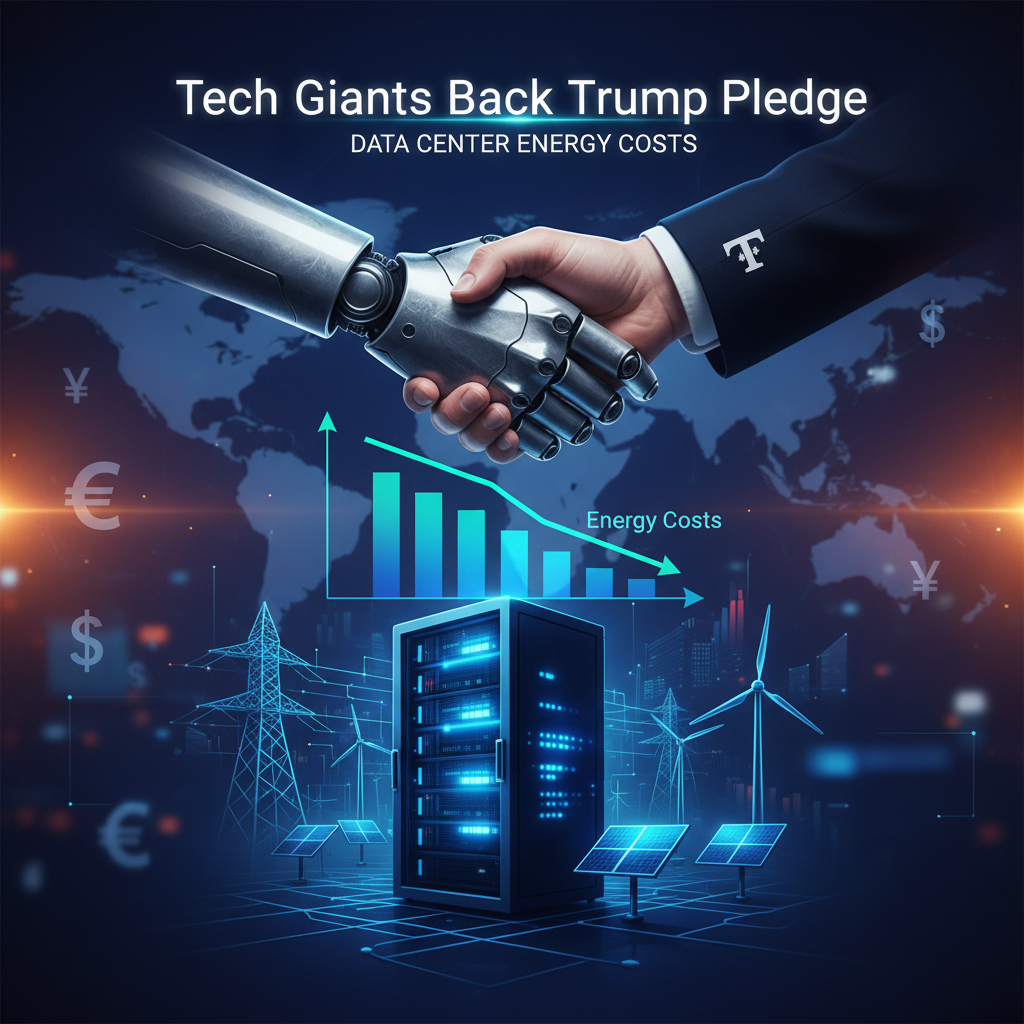
News broke this week that major tech companies, including Google, Microsoft, and Meta, are set to join President Trump in signing a pledge. The commitment ensures that the escalating costs of powering AI data centers won’t be passed on to taxpayers. The details of the pledge are still emerging, but the core promise is clear: these companies will shoulder a greater share of the energy bill.
This move comes as AI development accelerates, demanding ever-increasing computational power. Data centers, the physical homes of the digital revolution, are voracious consumers of electricity. The shift toward more powerful GPUs, like Nvidia’s H100 or the upcoming H200, is driving up energy demands. According to a recent report from the Information Technology and Innovation Foundation, the energy consumption of data centers could double by 2030, consuming as much as 8% of the world’s electricity.
“This is a recognition of the new economic realities,” says John Reed, an analyst at a leading financial institution. “AI isn’t just about software; it’s about the massive infrastructure that supports it. And that infrastructure requires a lot of juice.”
The strategic implications are significant. By committing to cover more of their energy costs, these tech giants are signaling their long-term investment in AI. It’s a bet on continued growth, and a willingness to absorb the rising costs associated with it. The move could also be seen as a preemptive measure, heading off potential regulatory pressure or tax increases related to data center energy consumption.
The pledge also speaks to the ongoing political dynamics around AI. With the U.S. presidential election approaching, both parties are vying to be seen as supportive of the tech sector. This agreement could be interpreted as a strategic win for the companies, demonstrating their commitment to the economy while also aligning with a political agenda.
However, the pledge also raises questions. What are the specific terms? How will the costs be allocated? And what happens if energy prices spike unexpectedly? These details will be crucial in determining the true impact of this agreement. For now, the focus is on the future, as the tech titans attempt to navigate the energy-intensive landscape of AI development. It’s a challenge that will shape the industry for years to come – or maybe that’s how the supply shock reads from here.
About the Author