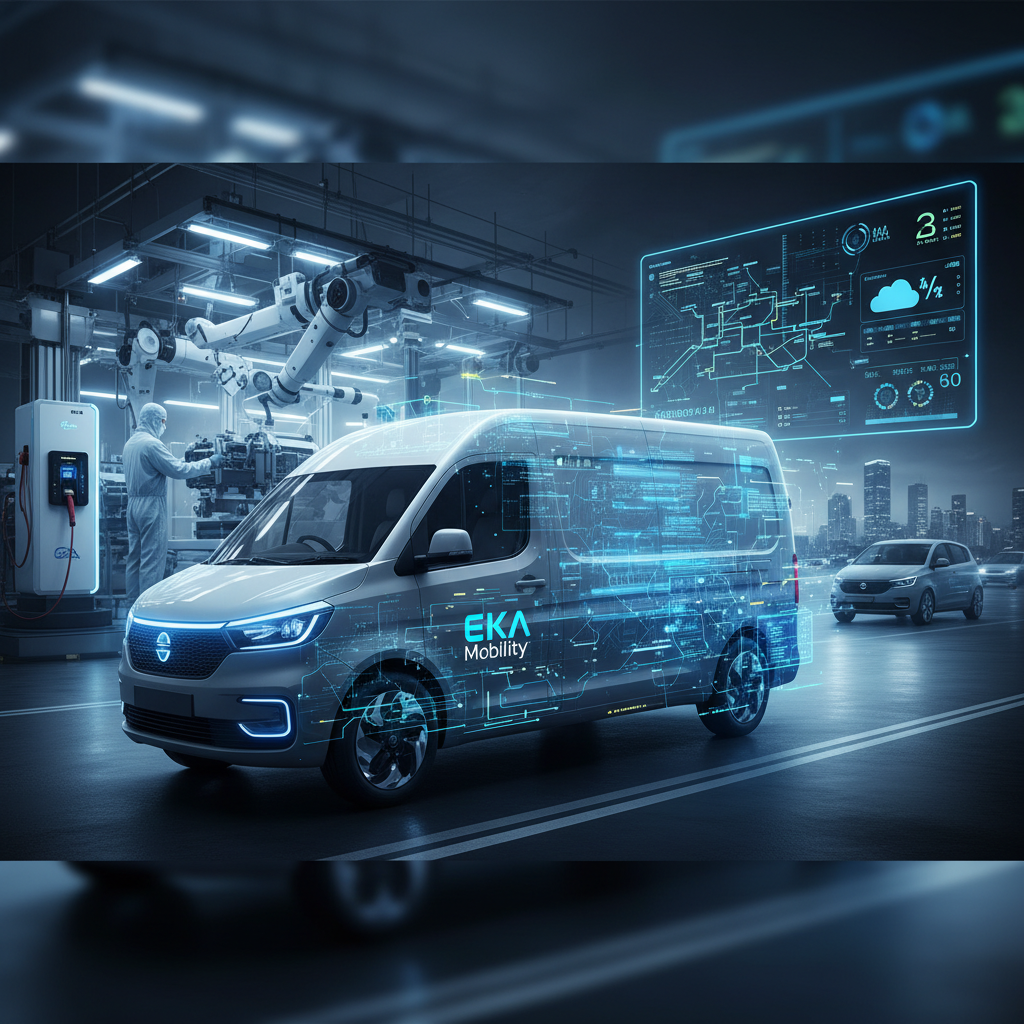
The fluorescent lights of the EKA Mobility engineering lab hummed, reflecting off the polished chassis of a prototype electric bus. It was late, but a team huddled around a monitor, eyes glued to thermal imaging data. The air, thick with the scent of solder and coffee, crackled with the quiet intensity of a critical test run.
EKA Mobility, as Chief Product Officer Zoeb Karampurwala explained in a recent interview with ET Manufacturing, is betting its future on a “software-first” strategy. This means viewing electric commercial vehicles not just as hardware, but as intelligent, scalable mobility systems. It’s a fundamental shift, especially in the notoriously hardware-focused automotive industry. It’s also a bet on the future, one that could pay off handsomely.
The core idea: build the software backbone first, then design the hardware to fit. This approach allows for rapid iterations, over-the-air updates, and the integration of advanced features like predictive maintenance and optimized route planning. For EKA Mobility, this means more than just building better buses; it means building a platform that can evolve and adapt to the changing needs of the commercial vehicle market.
“We’re not just selling a vehicle; we’re selling a mobility solution,” Karampurwala stated. This strategic pivot is crucial, according to analysts like those at Mordor Intelligence, who predict the global electric bus market will reach $28.3 billion by 2028. EKA Mobility wants a significant slice of that pie, and the software-first approach is how they plan to get it.
The implications are significant. For instance, the company is aiming to roll out its new generation of electric buses, the E9, with a completely integrated software platform by the end of 2024. That platform will manage everything from battery management systems to driver behavior analysis. It’s a complex undertaking, requiring tight coordination between software developers, hardware engineers, and supply chain managers.
One of the biggest challenges, of course, is the supply chain. EKA Mobility, like every other EV maker, is at the mercy of chip shortages and battery component availability. The company is reportedly working with multiple suppliers to mitigate these risks, but the pressure is on. The manufacturing capacity, the core of their scale-up ambition, is dependent on the global supply chain.
The shift to software-defined vehicles also opens up new revenue streams. Subscription services for advanced features, data analytics for fleet operators, and even partnerships with charging infrastructure providers are all on the table. It’s a long game, but the potential rewards are substantial.
Back in the lab, the engineers were still poring over the thermal data. A slight adjustment to the cooling system, a minor tweak to the software algorithm. It’s details like these — the constant refinement of both hardware and software — that will determine whether EKA Mobility can truly scale up, or maybe that’s how the supply shock reads from here. The hum of the machines, the quiet focus of the team, suggested they were ready for the challenge. The future of commercial mobility, after all, is being built one line of code at a time.
About the Author