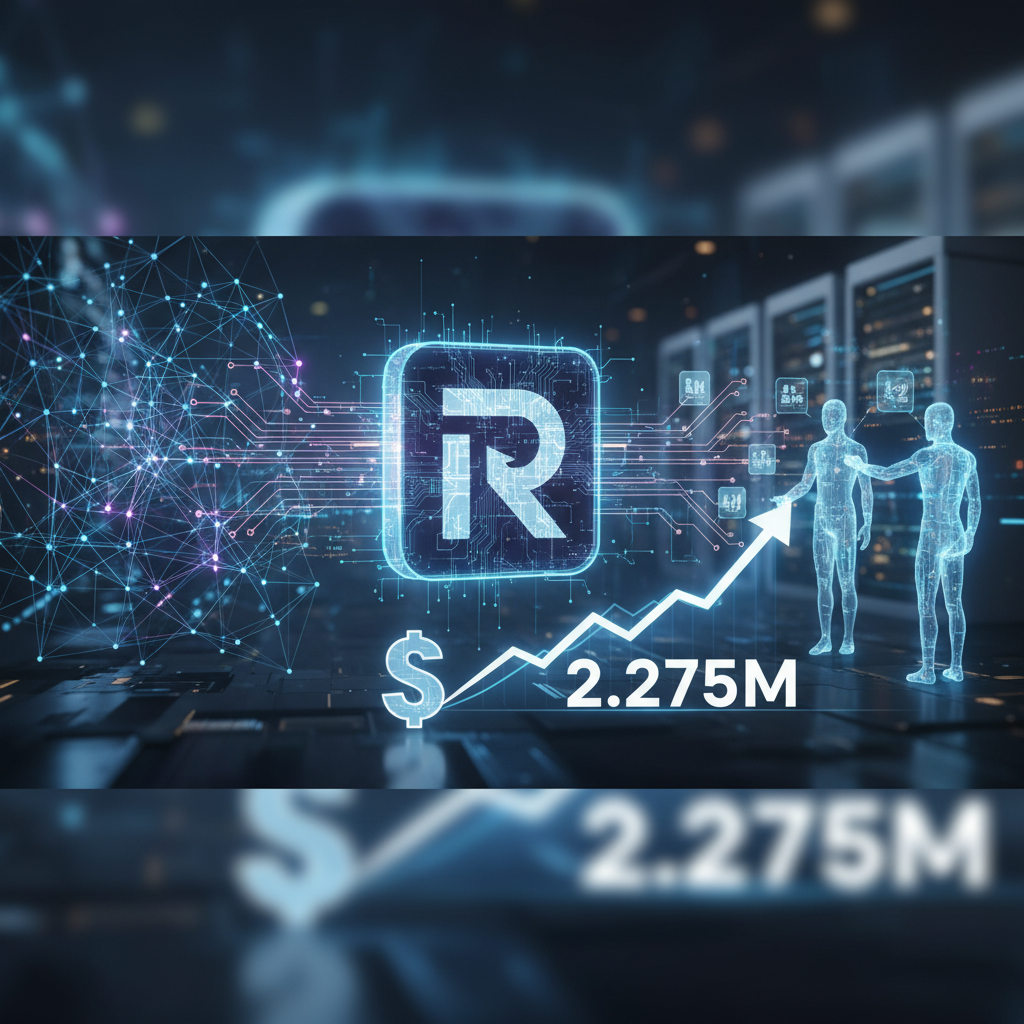
The hum of servers filled the air as the Reload engineering team huddled around a monitor, reviewing the latest thermal tests. It was February 19, 2026, and the pressure was on. The launch of ‘Epic,’ Reload’s first AI employee, was just days away, and the $2.275 million raise, led by Anthemis, hinged on its success.
The core innovation? Giving AI agents a shared memory. Reload’s platform allows multiple AI agents to access and share information, mimicking the way human teams collaborate. This shared memory is designed to improve decision-making and streamline workflows, especially in complex tasks requiring coordination.
“It’s like giving each AI a team, not just a solo act,” explained Dr. Anya Sharma, Reload’s Chief AI Architect, during a late-night Slack call. “They can learn from each other, build on each other’s work, and avoid repeating the same mistakes.” This is crucial, as the industry moves towards more complex AI systems. The ability to share memory could be a significant differentiator.
The funding round, announced on TechCrunch, will fuel further development and expansion. Anthemis’s backing suggests confidence in Reload’s vision, but the road ahead isn’t without its challenges. The market for AI agent management platforms is still nascent. Competition is fierce, with established tech giants and nimble startups vying for dominance. Moreover, the demand for powerful GPUs, essential for training and running these AI agents, is intense, with supply chain constraints and export controls playing a significant role. SMIC versus TSMC? US export rules? These are the daily realities.
According to a recent report by ARK Invest, the AI market is projected to reach $1.3 trillion by 2030, a figure that underscores the potential rewards. But the path to that future is paved with technical hurdles. Training large language models (LLMs) requires immense computational power. The M100 and M300 chips, and the 2026 and 2027 roadmaps, are all part of the race.
Analyst estimates from Deutsche Bank suggest the agent management market could reach $50 billion by 2028, but that’s assuming consistent progress. Any hiccups in chip supply or the development of the necessary software could cause delays. The team knows the stakes are high, and the clock is ticking.
The launch of ‘Epic’ is more than just a product release; it’s a test of the shared memory concept in a real-world setting. If successful, Reload could carve out a significant niche. The idea is simple, but the implementation is anything but.
About the Author