Swiggy Shuts Down SNACC: The Demise of 15-Minute Food Delivery
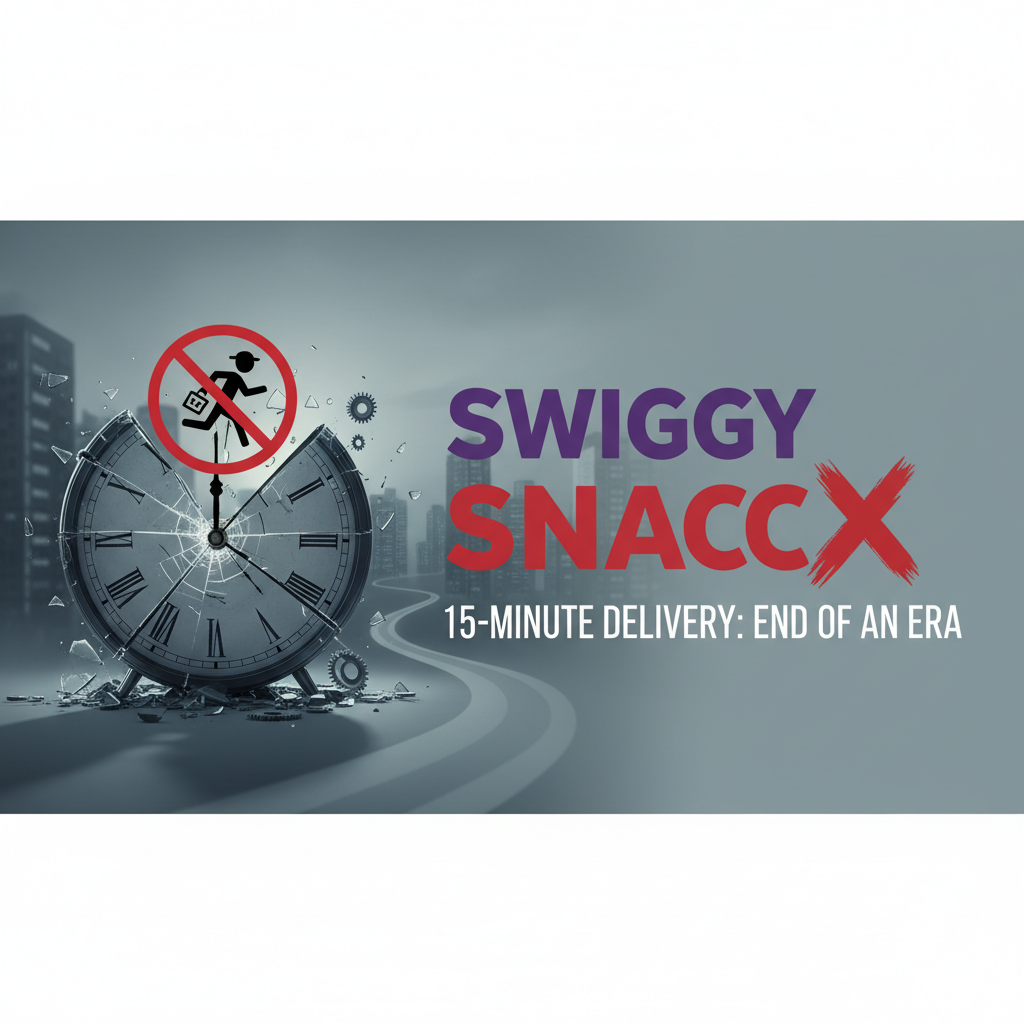
The quick-commerce sector is a dynamic arena, and sometimes, even industry giants stumble. In a move that underscores the volatile nature of the fast-paced food delivery market, Swiggy, a leading player in the food delivery industry, has decided to pull the plug on its 15-minute food delivery service, SNACC. This decision, made nearly a year after the app’s launch, signifies a strategic shift and offers insights into the evolving demands and challenges of the quick-commerce landscape.
The Rise and Fall of SNACC
Swiggy, known for its extensive network and diverse offerings, ventured into the realm of ultra-fast food delivery with SNACC. The premise was simple: deliver food to customers’ doorsteps within 15 minutes. This ambitious goal placed SNACC squarely in the quick-commerce category, a segment that has seen both rapid growth and significant setbacks. The quick-commerce model, while appealing to consumers seeking instant gratification, presents operational complexities and logistical hurdles. These challenges, coupled with shifting consumer behaviors and market dynamics, likely played a role in Swiggy’s decision to discontinue the service.
Understanding the Quick-Commerce Landscape
The quick-commerce sector, encompassing the delivery of goods within minutes, has gained considerable traction in recent years. Fueled by evolving consumer expectations and technological advancements, this segment has attracted substantial investment. However, the path to profitability in quick-commerce is often fraught with difficulties. The need for optimized logistics, efficient supply chains, and a robust delivery infrastructure puts immense pressure on businesses. Furthermore, the model relies heavily on high order volumes to offset operational costs, making it vulnerable to market fluctuations and intense competition.
Factors Contributing to the Shutdown
While the exact reasons for the shutdown of SNACC haven’t been explicitly stated, several factors likely influenced Swiggy’s decision. The highly competitive nature of the food delivery market, coupled with the operational complexities of 15-minute delivery, may have played a significant role. Furthermore, shifts in consumer preferences and spending habits, influenced by broader economic trends, could have impacted SNACC’s performance. The move also suggests that Swiggy is reevaluating its strategic priorities and resource allocation to align with evolving market realities.
Implications for the Food Delivery Market
The shutdown of SNACC holds significant implications for the food delivery market. It highlights the challenges of scaling ultra-fast delivery models and underscores the importance of sustainable business practices. The decision could signal a broader trend of consolidation or strategic realignment within the quick-commerce sector. For Swiggy, it represents a recalibration of its approach, potentially focusing on more established and profitable segments of the food delivery market. This strategic pivot also invites questions about the long-term viability of ultra-fast delivery models and the evolving expectations of consumers.
Conclusion
The closure of Swiggy’s SNACC is a stark reminder of the volatility inherent in the food delivery and quick-commerce sectors. While the allure of instant gratification continues to drive consumer demand, the operational and economic realities of ultra-fast delivery pose significant challenges. As Swiggy reevaluates its strategic direction, the industry will be watching closely, seeking lessons and insights from this notable shift in the quick-commerce landscape. This event underscores the need for food delivery services to adapt to market dynamics, prioritize sustainable business models, and continuously refine their strategies to meet the evolving demands of both consumers and the broader market.
Source: Inc42 Media
About the Author