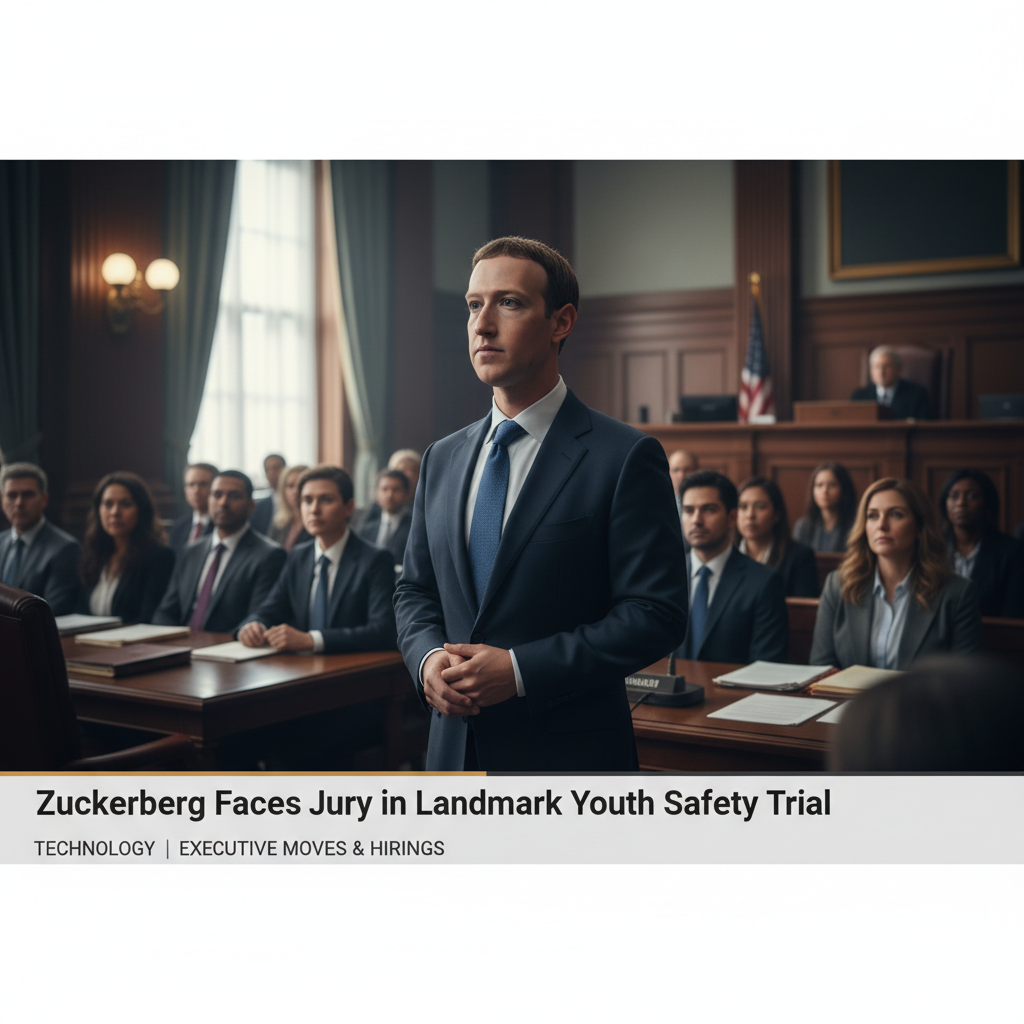
The fluorescent lights of the courtroom hummed, a stark contrast to the data centers and sprawling campuses that house Meta’s operations. It was a Tuesday, and for the first time, Mark Zuckerberg was in court, facing a jury in a landmark trial. The allegations: that Meta’s platforms, including Instagram and Facebook, had harmed young users.
The air in the room was thick with tension, a feeling echoed by the hushed whispers of lawyers and the focused gaze of the jury. This wasn’t just another tech story; it was a reckoning. The case, as industry analysts from firms like Forrester have noted, could reshape the legal landscape for social media companies, setting a precedent for how they are held accountable for the content and features that attract younger users.
The core of the issue, as many observers see it, boils down to the question of platform design. Did Meta prioritize engagement and growth over the well-being of its youngest users? Court documents and expert testimony detailed algorithms designed to maximize time on platform, which, critics argued, exposed children to harmful content. It’s a complex dance of code and consequences, one that Zuckerberg was now forced to navigate.
“The stakes are incredibly high,” said Sarah Jones, a tech analyst at Gartner, during a recent briefing. “If Meta loses, the ramifications could be huge, not just in terms of financial penalties, but also in terms of how they operate.”
Inside Meta’s headquarters, the mood was reportedly somber. Engineers, accustomed to the fast-paced world of innovation, were now forced to confront the potential fallout of a legal battle that could redefine their industry. The focus had shifted from product launches and quarterly earnings to legal strategies and public relations. There were hushed conversations and hurried meetings. The usual office chatter was replaced by a sense of nervous anticipation.
The trial’s outcome would not only affect Meta but the entire tech ecosystem. As the legal proceedings continued, the industry watched, waiting to see how the law would grapple with the complex realities of social media’s impact on the youth. The trial was a stark reminder of the power and responsibility that comes with controlling the digital spaces where millions of young people now spend their time. It was a moment of reckoning, a turning point that could reshape the future of the internet.
About the Author