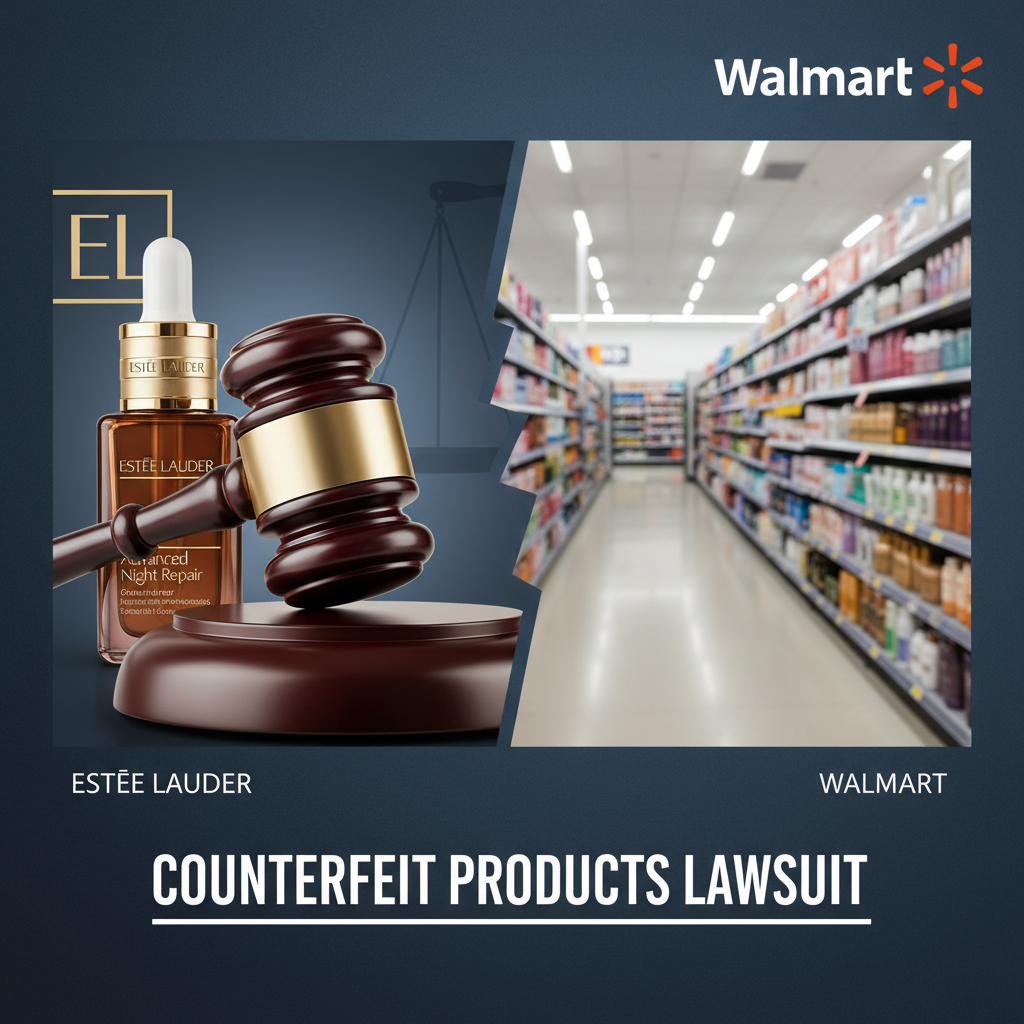
In a move that highlights the ongoing battle against counterfeit goods, Estée Lauder has filed a lawsuit against Walmart. The lawsuit centers on the alleged sale of knockoff beauty products through Walmart’s online marketplace, impacting well-known brands such as Le Labo, La Mer, and Tom Ford.
The core of the dispute lies in how Walmart operates its marketplace. Estée Lauder claims that Walmart’s model enabled the sale of these counterfeit items, potentially deceiving consumers and damaging the reputation of the luxury brands. The lawsuit doesn’t specify when these sales occurred, but it underscores the challenges that brands face in maintaining control over their distribution channels in the digital age.
The lawsuit brought by Estée Lauder alleges that Walmart’s marketplace model allowed for the sale of counterfeit products. The core of the issue is the alleged lack of sufficient measures to prevent the sale of these fake items. This case is particularly relevant in the retail sector, where online marketplaces have become increasingly important for both established brands and smaller sellers. It also draws attention to the broader economic implications of counterfeit goods, which can impact consumer trust and brand value.
For Walmart, this lawsuit poses a challenge to its marketplace model. The company will need to defend its practices and potentially implement stricter verification processes to ensure the authenticity of products sold on its platform. For Estée Lauder, the lawsuit is a strategic move to protect its brands and maintain its market position.
This case is a clear example of the legal and economic complexities of online retail, and the ongoing efforts of brands to protect their intellectual property in the face of counterfeit goods.
About the Author