The hum of the servers was a constant thrum, a white noise only the engineers seemed to filter out. It was early February 2026, and the team at Neuralink was in a sprint, reviewing thermal tests on the latest chip design, code-named “M300.” The pressure was on to meet the Q3 production deadline, a date that had already been pushed back once.
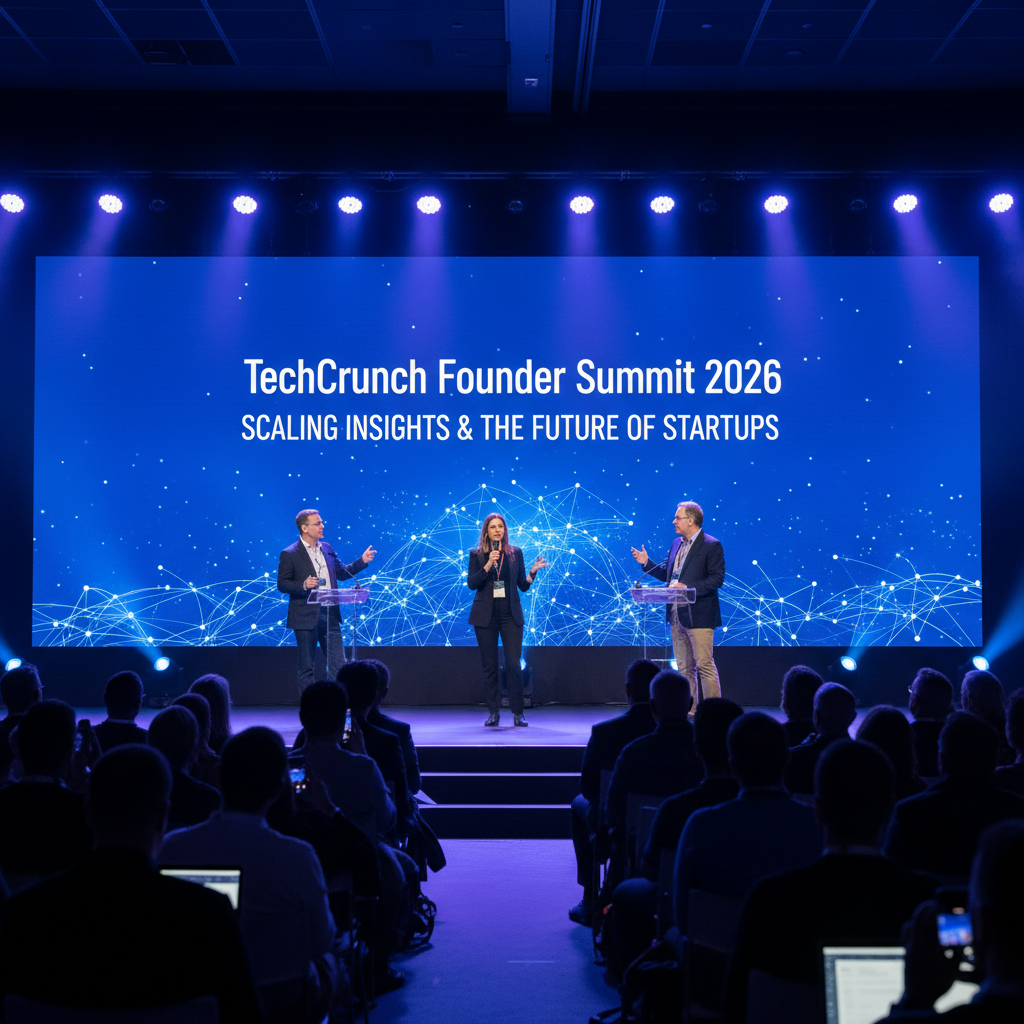
The annual TechCrunch Founder Summit in Boston was announced on February 9th, 2026. This year’s event, slated for June 23rd, promised to bring together 1,100 founders. The focus? Scaling insights, and how startups navigate the choppy waters beyond the initial launch.
“The supply chain is still a mess,” remarked one of the lead engineers, a veteran of the chip wars. “We’re seeing shortages on the advanced packaging side, which is throttling our production. SMIC can’t keep up with TSMC, and it’s starting to show.”
The M300, like the previous M100, was designed to push the limits of bio-integrated computing. The goal? To improve the speed and processing power, but the realities of manufacturing and geopolitical tensions were a constant headwind. The US export controls, aimed at limiting China’s access to advanced chip technology, further complicated matters. These policies had a direct impact on Neuralink’s procurement strategies, forcing them to seek alternative suppliers and re-engineer certain components.
“It’s a dance,” said Dr. Anya Sharma, a senior analyst at Gartner. “Companies are trying to balance innovation with the realities of the market, which includes both policy and manufacturing capacity.” Gartner’s 2025 forecast estimated the bio-integrated chip market would reach $12 billion by 2027, a figure that now seemed ambitious given the ongoing supply constraints.
The Founder Summit would be a platform for sharing these hard-won lessons. The call for speakers specifically sought experts to lead roundtables. The goal was to provide practical advice and insights to fellow founders navigating the same challenges. The emphasis was on scaling strategies, fundraising, and building resilient teams. It was about surviving and thriving in a world where the rules were constantly changing.
Back in the server room, the team was running simulations, chasing every millisecond of performance. The M300 was supposed to be a game-changer, but its success depended on more than just technological prowess. It hinged on the ability to navigate a complex web of supply chains, policy decisions, and competitive pressures. Or maybe that’s how the supply shock reads from here.
About the Author