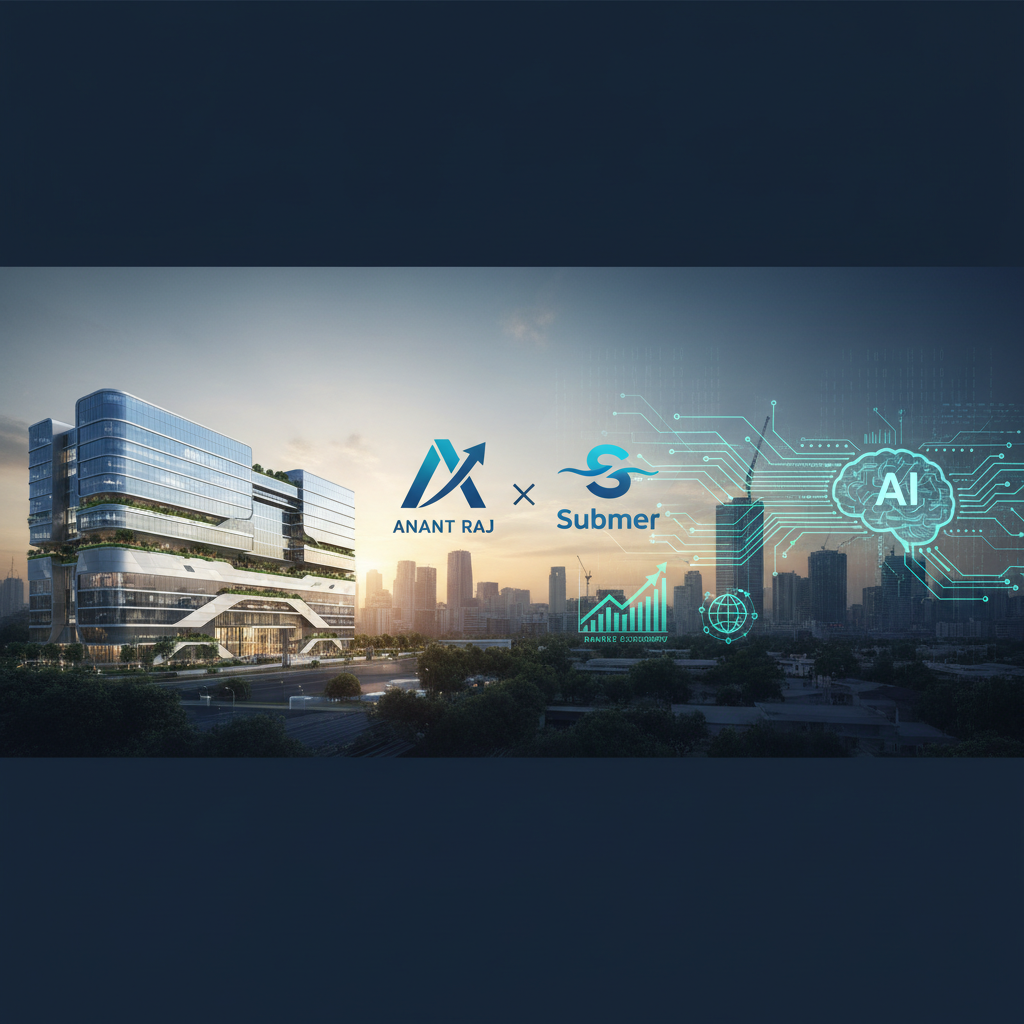
The hum of the servers was a constant thrum, a white-noise counterpoint to the rapid-fire conversations filling the Submer engineering lab. Engineers, heads bent over schematics, were deep in the weeds of thermal management for the new liquid-cooled racks. The goal: to optimize performance for the upcoming wave of AI workloads that Anant Raj Limited and Submer were planning to deploy across India.
The press release, dated February 8, 2026, laid out the partnership’s ambitious goals: to build AI-ready infrastructure. This meant not just data centers, but also the underlying power and cooling systems capable of handling the intense demands of AI hardware. The plan, as outlined, would accelerate India’s sovereign infrastructure, presumably to reduce reliance on foreign technology.
“It’s about more than just throwing up a building,” remarked a senior engineer, pointing to a complex diagram of heat exchangers. “It’s about the entire ecosystem.”
The strategic partnership between Anant Raj, a real estate developer, and Submer, a specialist in immersion cooling solutions, aims to address the growing need for scalable and efficient data center infrastructure in India. This need is driven by the increasing adoption of AI technologies and the subsequent demand for high-performance computing resources. The partnership’s focus on “sovereign” infrastructure hints at a desire to control the supply chain and data residency, potentially mitigating risks associated with geopolitical tensions and data security concerns.
The partnership’s success hinges on several factors. One is the ability to secure the necessary components, particularly high-end GPUs. Analyst forecasts from the time suggested that the market for AI-specific hardware would grow exponentially through 2027, with constraints from companies like TSMC and potential US export controls. Another is the execution of the deployment plans, which must overcome the logistical challenges of building in India, including power grid reliability and land acquisition.
“The devil is always in the details,” a financial analyst noted during a call. “Even with the best technology, timelines can slip due to local regulations or supply chain disruptions. Or maybe that’s how the supply shock reads from here.”
The Submer engineers were still tweaking the coolant flow rate, optimizing for the new generation of AI chips. The pressure to deliver, to meet the demands of this AI-driven future, was palpable. The partnership represents a significant step toward developing India’s AI capabilities, but the path ahead would be anything but straightforward.
About the Author




