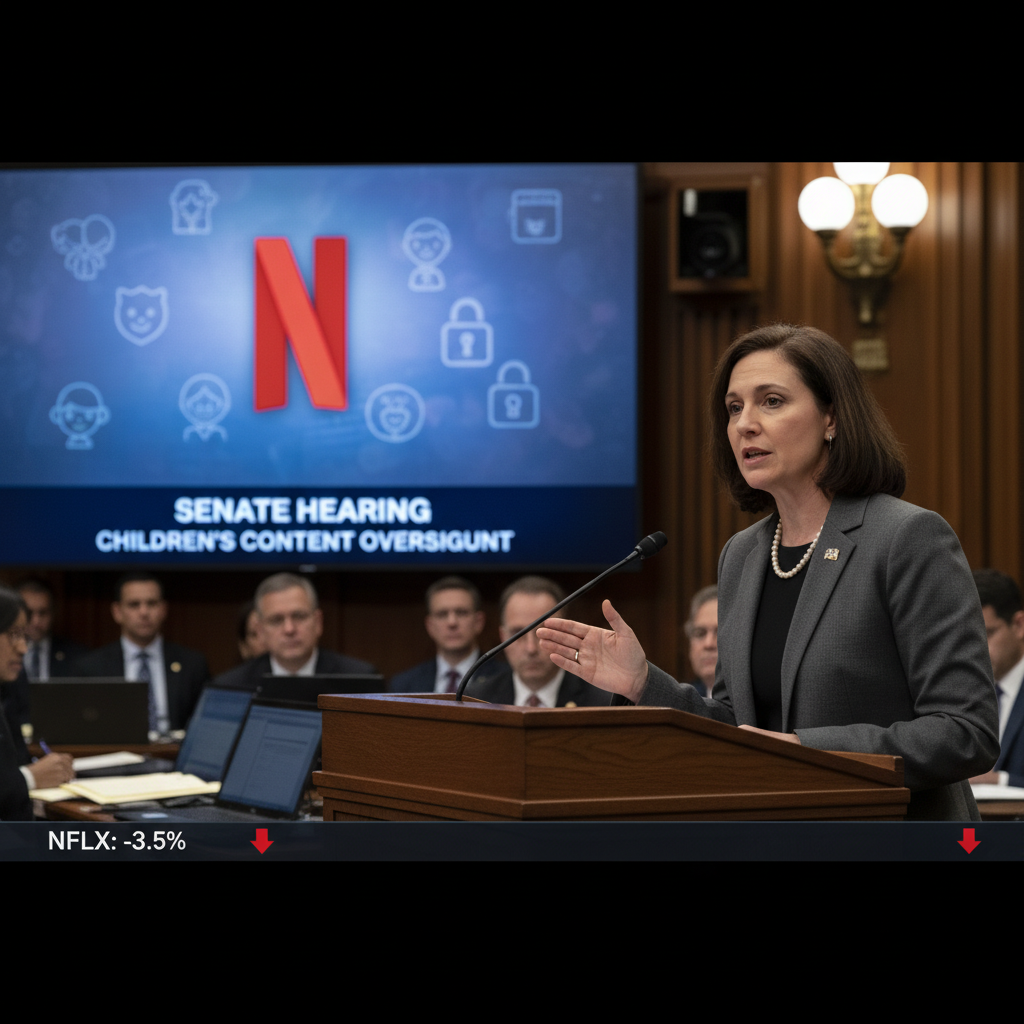
The fluorescent lights of the Senate hearing room hummed, a low thrum competing with the nervous energy. Inside, the Netflix CEO, sat stoically, facing a barrage of questions about the platform’s content aimed at children. The crux of the matter: programming that some critics allege carries pro-LGBTQ+ messaging. A conservative women’s public policy group claimed that a significant portion—41%—of Netflix’s kids’ content fits this description. The CEO, however, contested the accuracy of the claim.
This isn’t just a culture war skirmish; it’s a battle for the eyeballs of the next generation, with considerable financial stakes. Netflix, like other streaming giants, is under pressure to retain and grow its subscriber base. Children’s programming is a key demographic. Any perceived misstep, especially in the current polarized climate, could have serious repercussions.
The hearing highlighted the tricky tightrope walk media companies navigate. They must cater to diverse audiences while avoiding controversy. This is especially true for Netflix, which has invested heavily in original content, including animated series and live-action shows for kids. The company has to balance creative freedom with the sensitivities of various interest groups and policymakers. It’s a complex equation, and the Senate hearing was a stark reminder of the scrutiny.
“The challenge is to create content that resonates with a broad audience,” says analyst Sarah Jones of MoffettNathanson. “This requires a deep understanding of cultural nuances and the ability to anticipate potential backlash.” The current situation demands that Netflix reassess its content strategy, or maybe the political winds will force their hand.
The implications extend beyond mere content. The hearing also touches on broader issues of media influence and parental control. It raises questions about how much say parents should have in the content their children consume and whether platforms like Netflix have a responsibility to filter or label content based on its perceived messaging. The future will tell.
About the Author