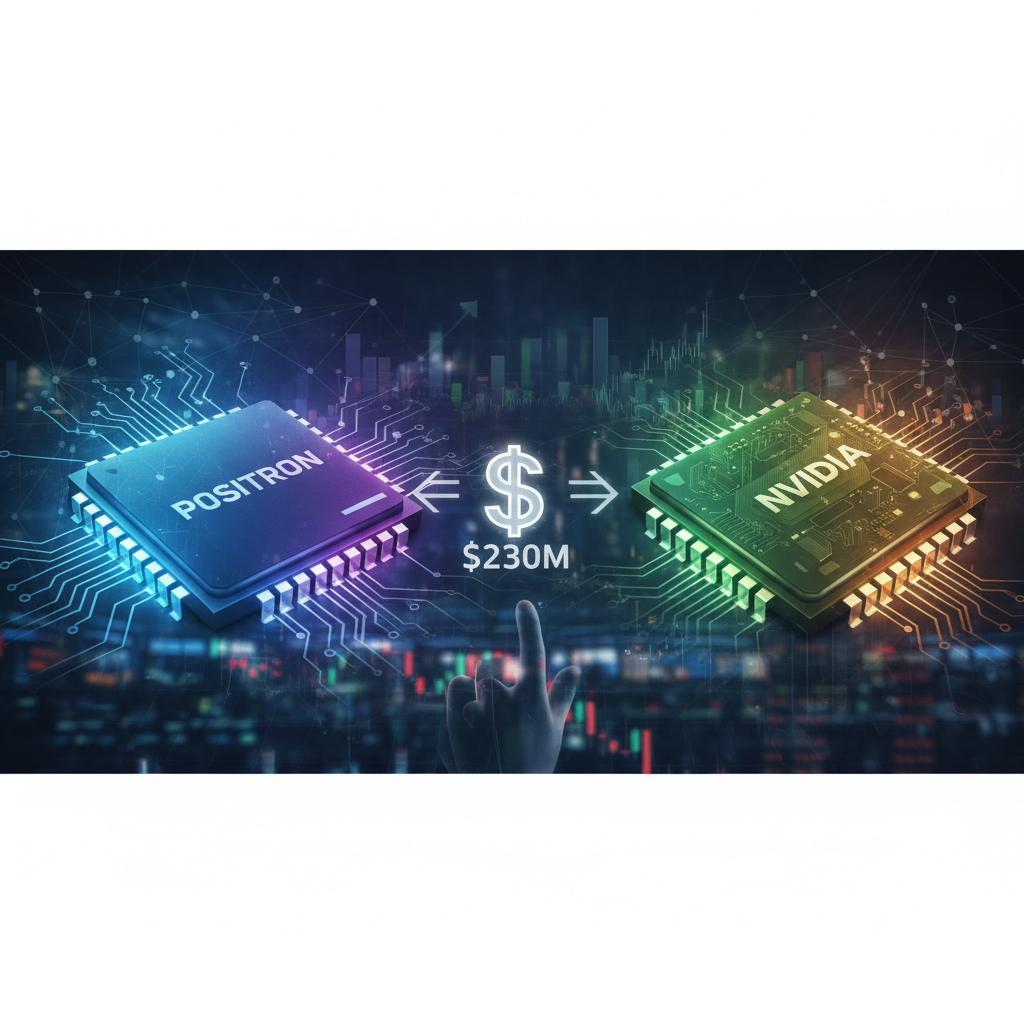
The hum of the servers filled the room, a constant thrumming that vibrated through the floor. Engineers at Positron, heads bent over glowing screens, were deep in the weeds of thermal testing for the M300 chip. It was February 2026, and the pressure was on. The company had just secured a $230 million Series B round, spearheaded by the Qatar Investment Authority, a move that sent ripples through the AI chip industry. The goal: to seriously challenge Nvidia’s dominance.
The investment came at a crucial juncture. Demand for AI chips was, to put it mildly, exploding. Every major tech company, every research institution, every government with ambitions of AI leadership, needed them. Nvidia, with its H100 and subsequent H200, had a stranglehold on the market. But the supply chain, already stretched thin, was showing cracks. Export controls, particularly from the US, added another layer of complexity. China’s domestic procurement policies were also reshaping the landscape.
“It’s a high-stakes game of chess,” noted Sarah Chen, lead analyst at Semiconductor Insights. “Positron’s timing is interesting, to say the least. They’re betting on the market’s need for alternatives, even if it means navigating a minefield of geopolitical and manufacturing constraints.”
Positron’s strategy, according to sources familiar with the matter, is multi-pronged. First, they’re aiming for performance parity with Nvidia’s top-tier offerings. The M300, slated for release in late 2026, is designed to compete directly with the H200, promising similar performance metrics, or maybe even better. Second, they’re focusing on specialized applications, particularly those favored by the Qatar Investment Authority, which is keen to build out its own AI infrastructure. This includes data centers and research facilities.
The funding from Qatar wasn’t just about the money. It was also about strategic access. Qatar, with its deep pockets and ambitious vision, could provide a crucial beachhead for Positron in a market hungry for AI solutions. The partnership offers a way in to the Middle East and beyond. The firm’s Series B funding is a statement, a declaration that there’s room at the table for other chipmakers.
The manufacturing side is where things get really complex. Positron, like many of its competitors, relies on TSMC for its chips. But capacity is tight, and the geopolitical tensions between the US and China add another layer of uncertainty. SMIC, China’s largest chipmaker, is also in the mix, but its capabilities are still lagging behind TSMC’s cutting-edge processes. The whole situation is very fluid.
The road ahead won’t be easy. Nvidia is a formidable competitor, and its ecosystem of software and tools is well-established. But as demand for AI chips continues to soar, and as geopolitical tensions reshape the supply chain, Positron’s bet on the future might just pay off. Or maybe that’s how the supply shock reads from here.
About the Author