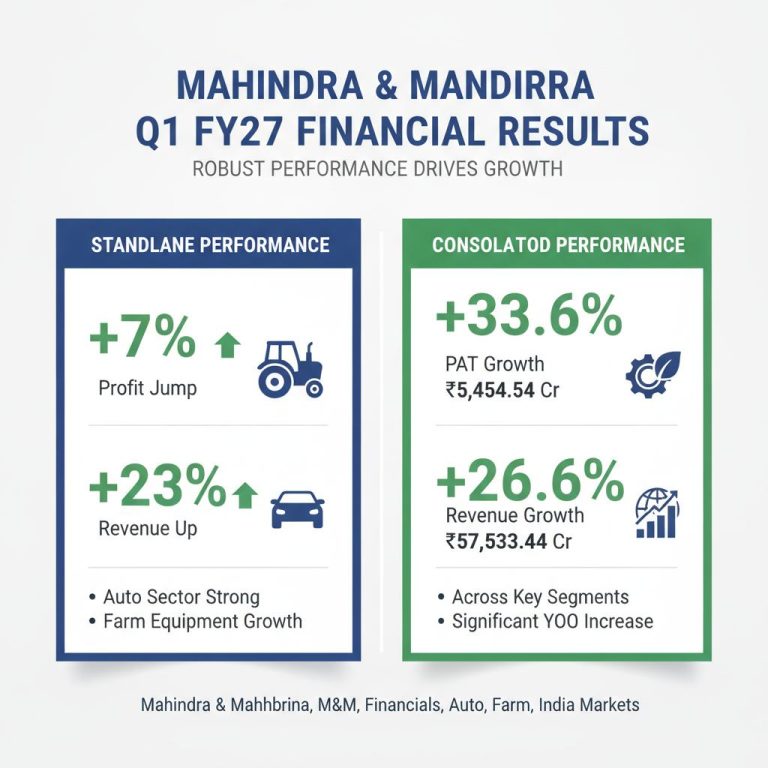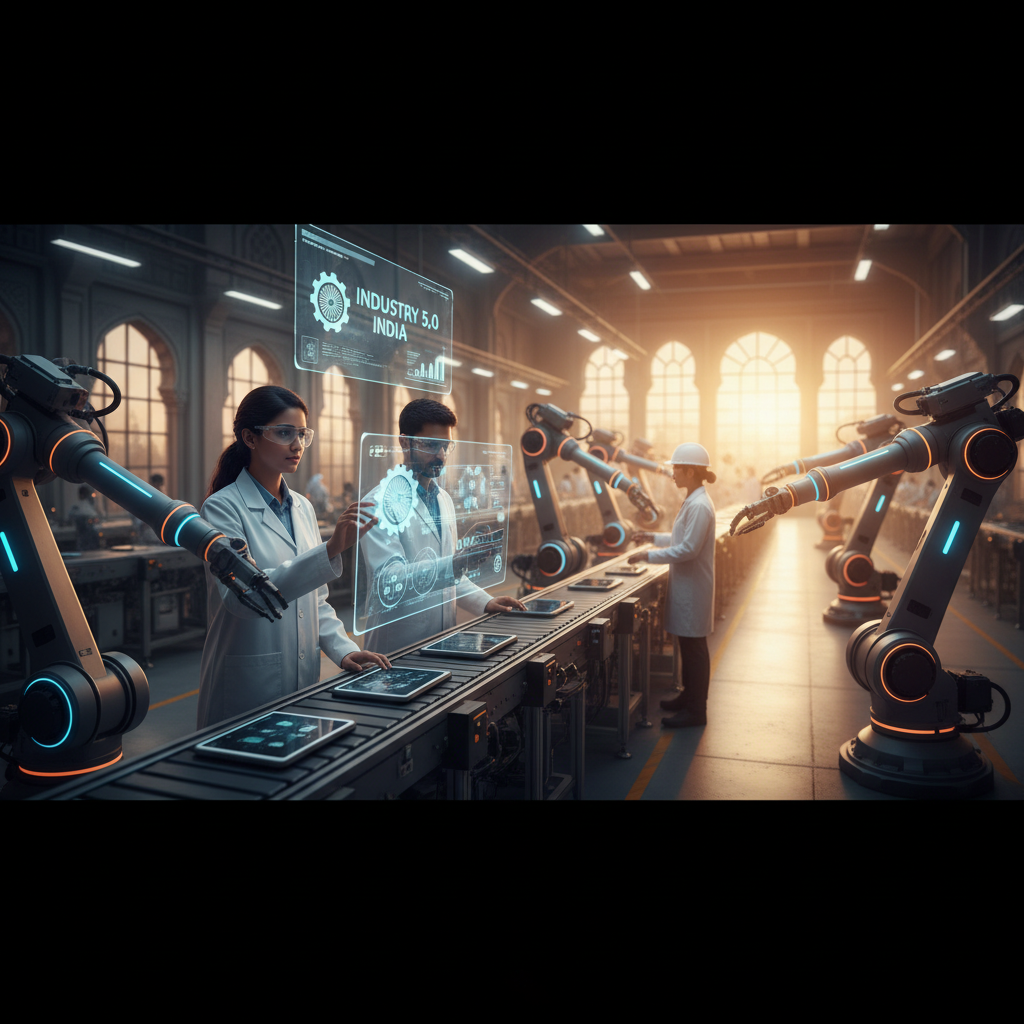
The hum of machinery filled the air, a familiar symphony in the Mahindra & Mahindra factory outside Mumbai. Engineers, heads bent over schematics, were reviewing thermal tests on a new robotic arm designed for their electric vehicle assembly line. It wasn’t just about speed or output; the focus was shifting. “We’re not just building cars,” said Priya Sharma, a senior engineer, “We’re building a sustainable ecosystem.” This, in a nutshell, is India’s move towards Industry 5.0.
The transition signifies a departure from the purely mechanical focus of Industry 4.0, which emphasized automation and data exchange. Now, India is weaving human values into the fabric of its manufacturing processes. This includes prioritizing teamwork, green thinking, and durability over sheer mechanical output. The goal is to create a more resilient and sustainable manufacturing sector. The Economic Times reported in a recent article that the shift is happening now, with companies focusing on technologies that enhance human-machine collaboration, such as collaborative robots (cobots) and augmented reality (AR) systems.
The shift is driven by several factors. The first is a growing awareness of environmental sustainability. Companies are under increasing pressure to reduce their carbon footprint and adopt eco-friendly practices. Second is the need for greater resilience in the face of supply chain disruptions. The COVID-19 pandemic exposed the vulnerabilities of global supply chains, and Indian manufacturers are now focused on building more robust and localized supply networks. Finally, there’s a recognition of the value of human capital. Skilled workers are essential for operating and maintaining advanced manufacturing systems, and companies are investing in training and development programs to upskill their workforce.
“India is uniquely positioned to lead in Industry 5.0,” explains Dr. Anjali Verma, a manufacturing analyst at the Indian Institute of Technology, Delhi. “The country has a large pool of skilled labor, a growing domestic market, and a government that is actively promoting manufacturing through initiatives like the Production Linked Incentive (PLI) scheme.” The PLI scheme, launched in 2021, offers financial incentives to companies that invest in manufacturing in India, with an aim to boost domestic production and reduce reliance on imports. Already, the scheme has attracted significant investment in sectors like electronics, pharmaceuticals, and automobiles.
The move to Industry 5.0 is not without its challenges. One of the biggest hurdles is the need for significant investment in new technologies and infrastructure. Companies need to upgrade their existing facilities, train their workforce, and adopt new business models. Another challenge is the lack of a standardized approach to Industry 5.0. There is no single definition or set of standards for what it means to be a human-centric manufacturer. This lack of clarity can make it difficult for companies to plan and implement their strategies.
Despite these challenges, the shift to Industry 5.0 is gaining momentum in India. Companies are realizing that it’s not just about adopting new technologies; it’s about creating a more sustainable, resilient, and human-centered manufacturing sector. And that, more than any other factor, will define the future of Indian manufacturing.
About the Author