The hum of the servers was a constant thrum, a low-frequency pulse that vibrated through the floor of the data center. It was late October, and the engineers at a major AI firm were scrambling. The latest thermal tests on the new M300 chips were… problematic. Or maybe that’s how the supply shock reads from here.
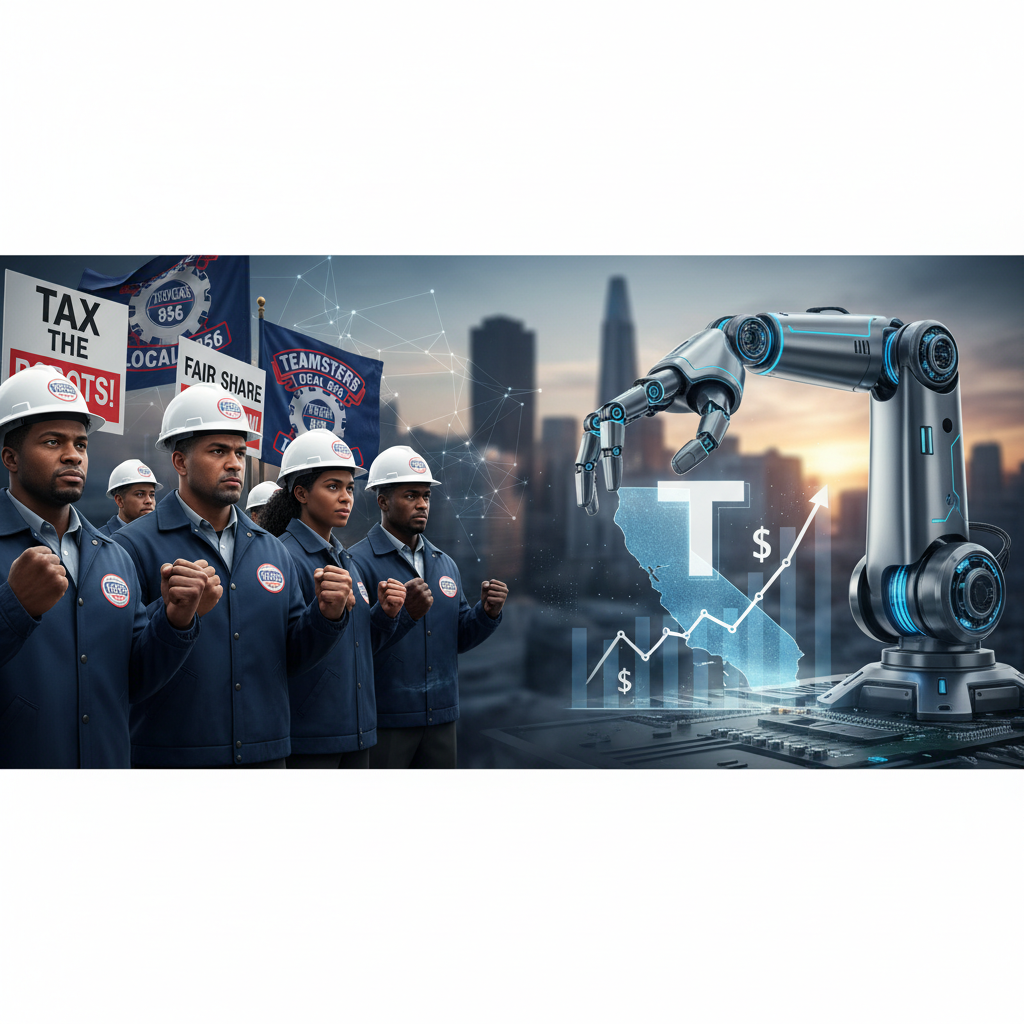
Meanwhile, across the state, the Teamsters California was throwing its weight behind a proposed 5% wealth tax on the state’s billionaires. The union’s rationale, as detailed in recent press releases, was clear: protect workers from the relentless march of Big Tech automation and ensure that the Golden State’s wealthiest residents paid their fair share. It was a move that resonated with a growing unease about the future of work, especially in a state where technological innovation often felt like a double-edged sword.
“We’re seeing firsthand how automation is changing the game,” said a Teamsters spokesperson in a recent interview, “and it’s not always in the workers’ favor.” The union’s support for the wealth tax was, in their view, a necessary step to rebalance the scales. Big Tech’s relentless pursuit of efficiency. The rise of LLMs, and the drive to make them cheaper and faster, had a human cost. The 2024 roadmap for one major logistics company, for example, projected a 15% reduction in warehouse staff through automation by the end of 2025.
The engineers in the data center, however, were less concerned with policy and more focused on the immediate problem: getting the M300 chips to perform as advertised. The M100, released in early 2023, was already showing its age. The 2026 projections for the new generation of AI hardware looked promising, but the manufacturing constraints were real. SMIC, the leading Chinese chip manufacturer, was still battling U.S. export controls, while TSMC, the Taiwanese giant, was at capacity. The analysts at Deutsche Bank predicted a 20% shortfall in high-end AI chips by the end of 2024, a figure that sent shivers through the industry.
“The supply chain is a mess,” one engineer muttered, staring at a screen displaying a thermal map of the M300. The room fell silent as the team reviewed the latest data. A ping from Slack broke the tension. A short sentence: “Meeting moved to tomorrow.” The weight of the world, or at least the weight of the next generation of AI hardware, rested on their shoulders. The link between their work and the political battles raging outside the data center walls was becoming clear.
As the Teamsters and other unions ramped up their lobbying efforts, the debate over the wealth tax intensified. Billionaires, predictably, weren’t thrilled. But the union’s argument – that the tech boom had created vast wealth disparities and that a wealth tax was a matter of economic fairness and protection of workers – found a receptive audience among many Californians. The confluence of technological advancement, economic inequality, and political maneuvering had created a perfect storm. The outcome, like the performance of the M300, remained uncertain.
About the Author




