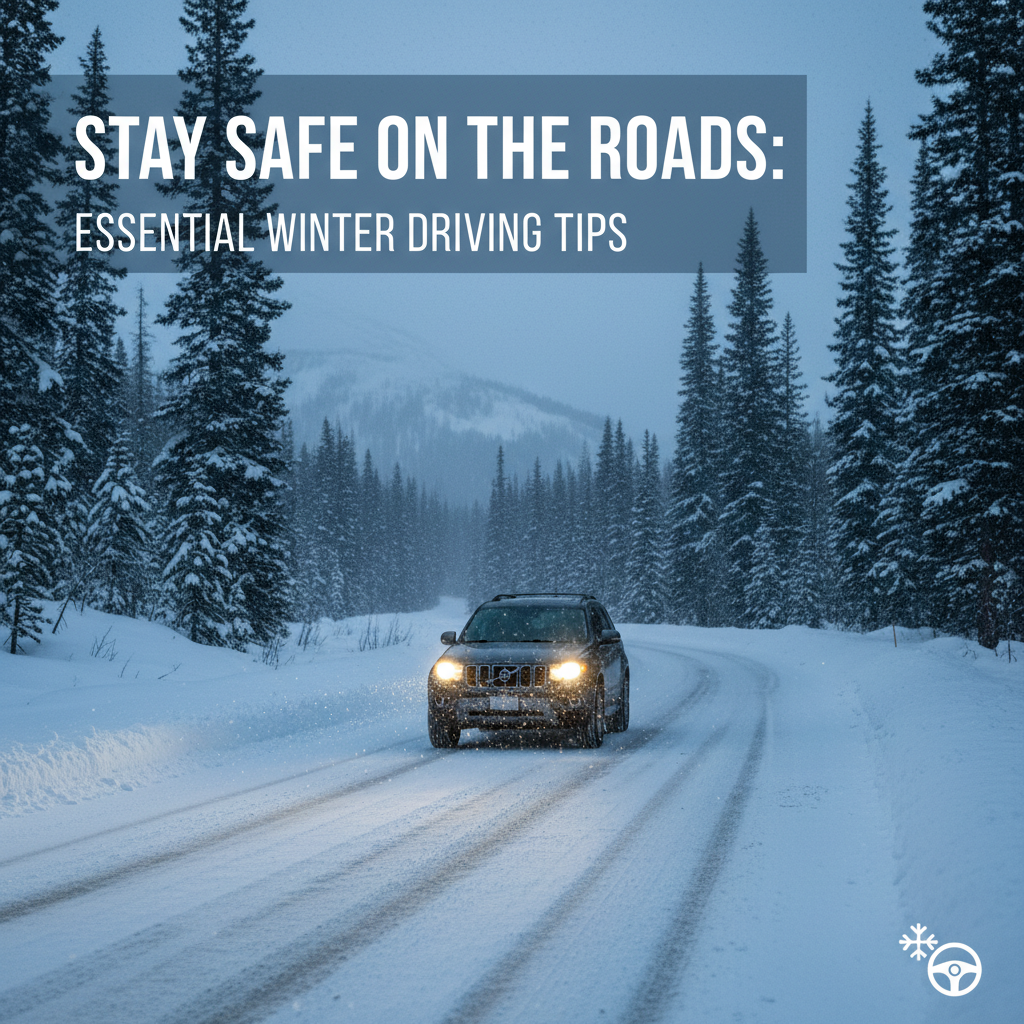
With a major winter storm looming, drivers should prepare for hazardous road conditions. Winter weather significantly increases the risk of traffic crashes, impacting thousands of drivers annually. The National Highway Traffic Safety Administration (NHTSA) offers crucial advice to help drivers navigate these challenging conditions safely.
Understanding the Risks
Winter weather presents several dangers. Reduced visibility due to snow and fog, along with icy road surfaces, can dramatically increase stopping distances and decrease vehicle control. The NHTSA’s data highlights the severity of the issue, emphasizing the need for proactive safety measures.
Key Winter Driving Tips
The NHTSA recommends several key strategies to ensure safety:
- Prepare Your Vehicle: Before the storm hits, check your tires’ tread depth and ensure they are properly inflated. Inspect your battery, lights, and wipers. Consider using winter tires for enhanced grip on snow and ice.
- Plan Your Route: Check weather forecasts and road conditions before you leave. If possible, avoid driving during the storm’s peak. Choose routes that are frequently plowed and salted.
- Drive Defensively: Increase your following distance to at least three to five seconds. Reduce your speed, as posted speed limits are for ideal conditions. Be extra cautious on bridges and overpasses, which tend to freeze first.
- Know How to Handle Skids: If your vehicle skids, steer in the direction you want to go. Avoid sudden braking or steering movements. Gently apply the accelerator to regain control.
- Pack an Emergency Kit: Keep a winter emergency kit in your vehicle, including a flashlight, jumper cables, blankets, a first-aid kit, and a cell phone charger.
Staying Informed
Stay updated on weather alerts and road closures through local news and traffic reports. Real-time information can help you make informed decisions about when and where to drive.
Conclusion
By following these essential winter driving tips, drivers can significantly reduce the risk of accidents and ensure their safety on the roads during challenging winter weather conditions. The NHTSA’s guidelines provide a practical framework for staying safe and prepared throughout the winter season.
Source: Latest Business News on Fox Business
About the Author