The hum of the server room was almost a physical presence, a low thrum punctuated by the frantic clicks of keyboards. Engineers at a major Chinese smartphone manufacturer, let’s call them “StarTech,” hunched over thermal tests. The air hung thick with the smell of solder and quiet desperation. The latest memory chip price surge was hitting them hard, and the Q3 numbers were starting to look grim.
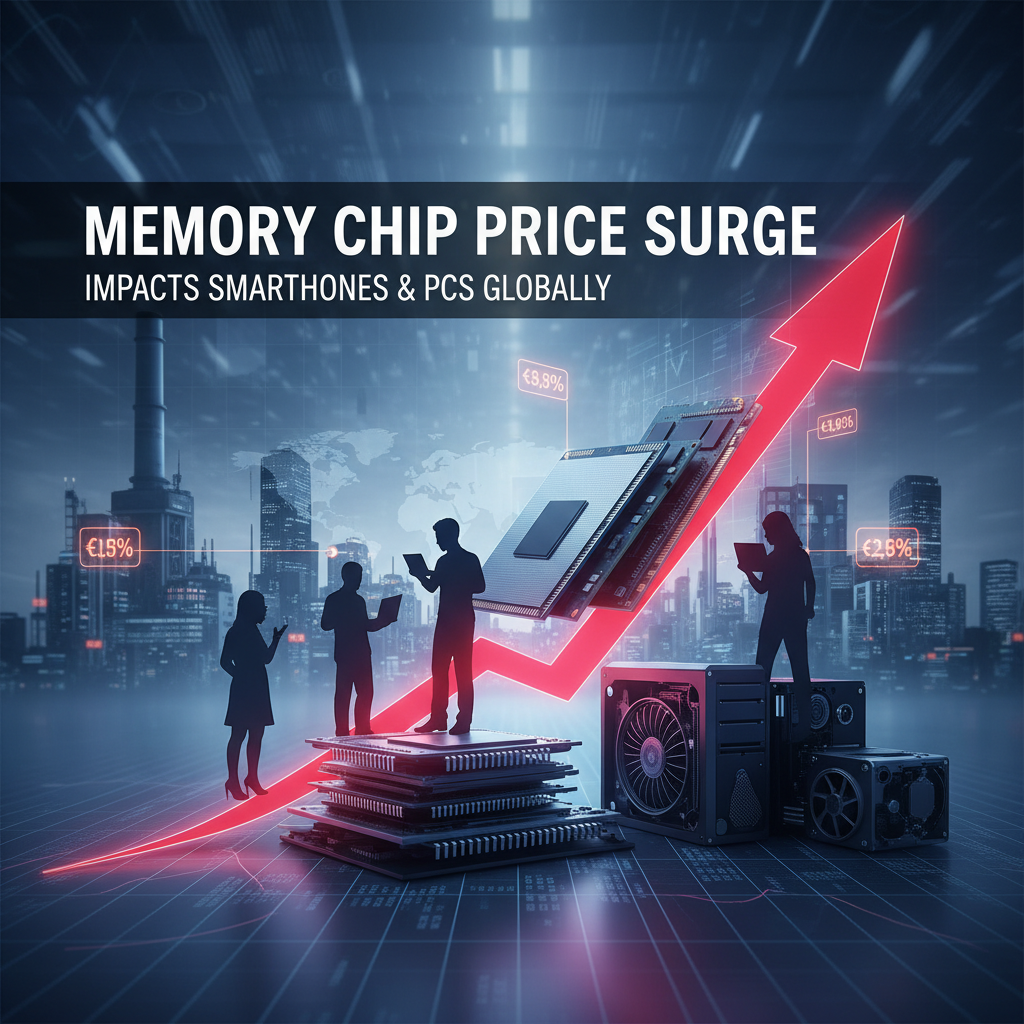
It wasn’t just StarTech. Analysts at TrendForce had been warning about this for months. Now, the impact was becoming undeniable. The price of DRAM and NAND flash memory, critical components in smartphones and PCs, was climbing. The primary culprits? A confluence of factors, including increased demand from AI server build-outs, supply chain bottlenecks, and a strategic shift by major chipmakers.
“We’re seeing the effects ripple across the industry,” explained Ming-Chi Kuo, a well-known tech analyst, in a recent report. “Manufacturers of low- and mid-range devices, in particular, are facing significant margin pressure.”
The situation is particularly acute for Chinese manufacturers like Xiaomi and TCL Technology, who compete on razor-thin margins. Lenovo, a major PC player, is also feeling the pinch. Their ability to absorb these cost increases, or pass them on to consumers, will determine their survival in this new market reality.
The manufacturing process for these chips is incredibly complex. It involves multiple stages, from silicon wafer fabrication to packaging and testing. The leading foundries, like TSMC and Samsung, have been operating at near-full capacity. Any disruption, whether from a natural disaster or geopolitical tensions, can send prices soaring.
The situation is made worse by the US export controls. These policies restrict China’s access to advanced chipmaking equipment, slowing down the development of domestic alternatives. SMIC, China’s largest chip manufacturer, is struggling to catch up, but they are years behind TSMC in terms of technology.
Back at StarTech, the engineers were running simulations, trying to optimize memory usage in their latest smartphone model. Every megabyte saved, every process streamlined, could mean the difference between profit and loss. The pressure was intense. The executive team, meanwhile, was on a conference call with their suppliers, trying to negotiate better terms.
The impact will likely be most pronounced for manufacturers of low- and mid-range devices. They simply don’t have the pricing power of companies like Apple, who can more easily pass on cost increases to their customers, or absorb them. For Xiaomi and TCL, the outlook is particularly challenging. They are caught in a vise, squeezed by rising costs and intense competition.
The price increases are not just a short-term blip. Analysts are predicting that the tight supply will persist throughout 2024 and possibly into 2025. This means that the challenges faced by companies like StarTech, and the broader consumer electronics industry, are likely to continue for some time to come.
About the Author