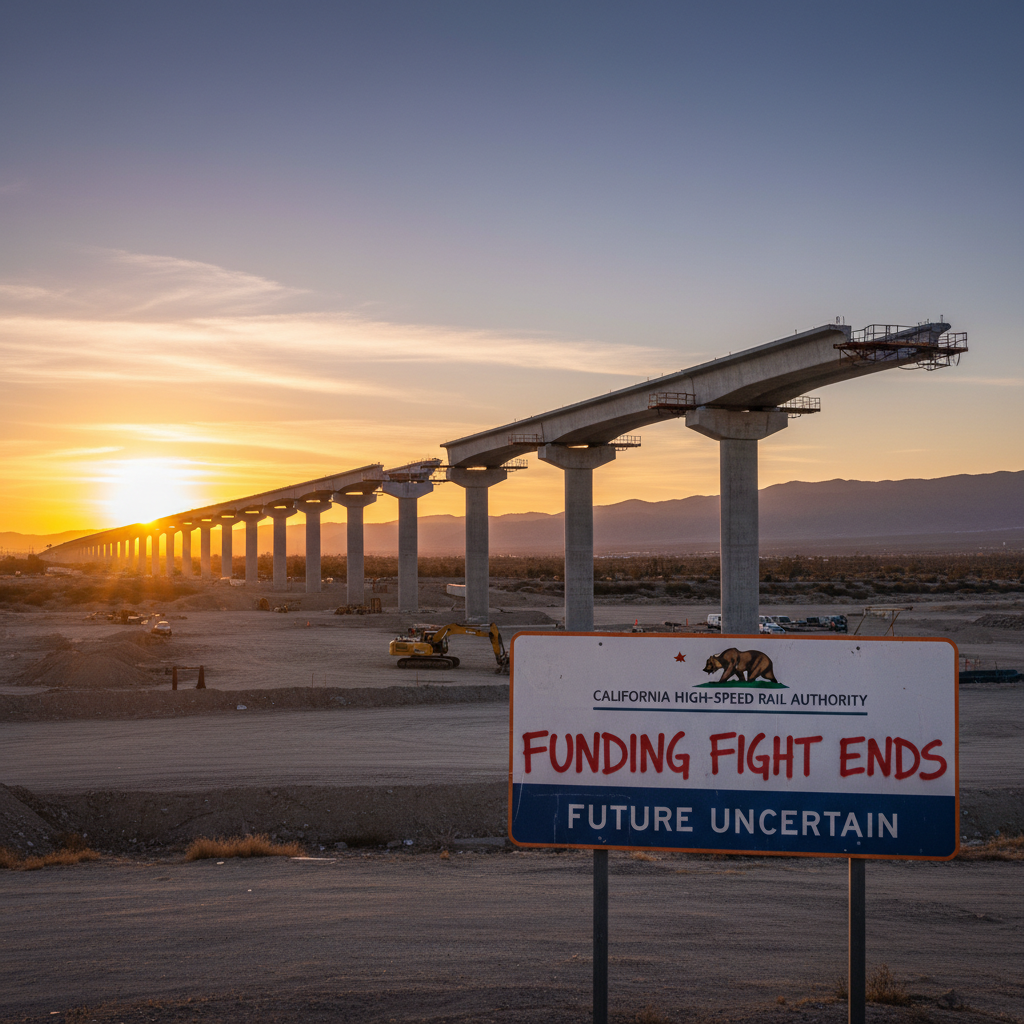
The fluorescent lights of the Sacramento engineering office hummed, reflecting off the CAD screens. It was late afternoon, and the team, heads bent over schematics, were deep in the weeds of another redesign. The air, thick with the smell of stale coffee and impending deadlines, felt heavy with the news. California was giving up the fight. No more legal battles to claw back the $4 billion in federal funds for the long-delayed high-speed rail project.
The decision, announced just this week, sent ripples through the industry. For years, the project, originally conceived in 2008, has been a lightning rod. A symbol of ambition, a target for critics. Now, with the legal challenge dropped, the focus shifts to private funding. A gamble, some say. “It’s a pivot, not a pause,” said transportation analyst, Sarah Chen, in a call with investors. “But the question is, who’s going to step up?”
The project, which aimed to connect Los Angeles and San Francisco with a high-speed rail line, has been plagued by delays and cost overruns. Original estimates of $33 billion have ballooned, and the completion date, once slated for 2020, is now pushed back further. The engineering team, tasked with making it work, had been wrestling with the complexities of track alignment, train technology, and regulatory hurdles. They’d hoped that the federal funding would provide a financial cushion, a guarantee. Now, they’re back to the drawing board, or maybe it’s just the same board with a new set of problems.
The shift to private funding raises a host of new challenges. Investors, notoriously risk-averse, will demand a clear return on investment. That means a viable business plan, a realistic timeline, and, most importantly, a clear path to profitability. The state government, which had been the primary backer, will now need to convince private entities that the project is worth the risk. This requires navigating a complex web of financial incentives, public-private partnerships, and regulatory approvals. It’s a high-stakes game of financial engineering.
The situation mirrors broader trends in infrastructure development. Across the country, states are grappling with how to fund ambitious projects. With federal funding often tied up in political gridlock, private investment is becoming increasingly crucial. But the risks are significant. Projects can be delayed, costs can escalate, and the overall outcome can be uncertain. According to a recent report by the Reason Foundation, the success rate of large-scale infrastructure projects reliant on private funding is only about 60%.
The abandonment of the legal battle is a setback, no doubt. The engineering team in Sacramento, and the thousands of contractors and workers across the state, will now face even more uncertainty. The dream of a high-speed rail line connecting California’s major cities is still alive, but it’s now tethered to the vagaries of the market. The future depends on finding the right investors, the right technology, and the right political environment. It’s a long shot, but the alternative is to watch the project slowly fade away. The hum of the fluorescent lights continues, a constant reminder of the work that remains.
About the Author