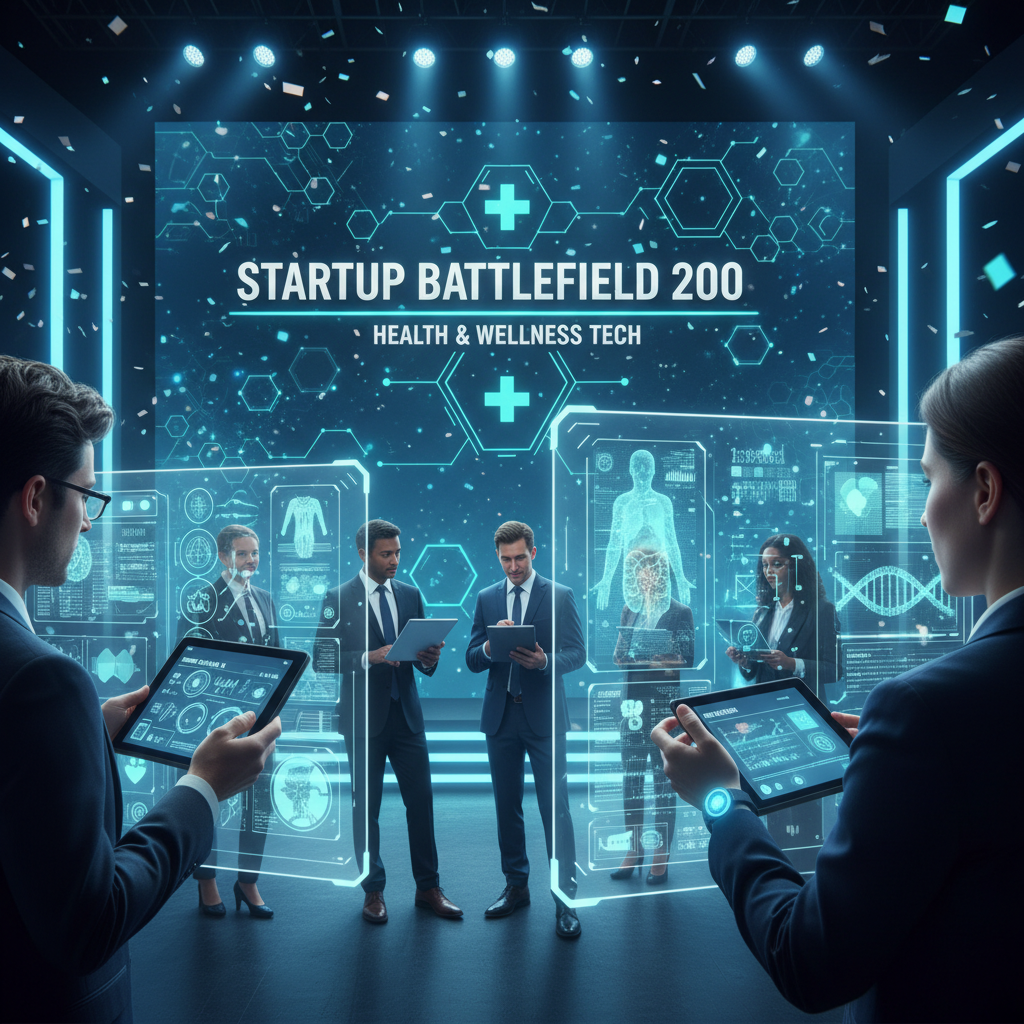
The hum of servers filled the air as the lead engineer from Aether Wellness reviewed thermal tests, the glow of multiple monitors reflecting in his glasses. It was December 28, 2025, and the team was racing to finalize their presentation for TechCrunch’s Startup Battlefield. Aether, a company focused on personalized longevity solutions, was among the 33 health and wellness startups selected from the Battlefield 200.
The selection process, as TechCrunch noted, was rigorous. Startups were chosen for their potential to disrupt the healthcare landscape, offering innovative solutions across various domains. From mental wellness platforms to advanced diagnostics, the competition was fierce. Each company aimed to capture the attention of investors and industry leaders.
One of the key trends observed was the integration of AI and machine learning. Several startups leveraged these technologies for more accurate diagnoses and personalized treatment plans. For example, a company called ‘VitaTrack’ uses AI to analyze wearable data, providing real-time insights into a user’s health metrics. According to a recent report by Deloitte, the AI in healthcare market is projected to reach $60 billion by 2028. This growth is driven by increasing demand for preventative care and the ability of AI to process vast amounts of data.
“The level of innovation is astounding,” said Dr. Anya Sharma, a healthcare analyst at JP Morgan. “We’re seeing a convergence of technologies. Wearables, AI, and telehealth are coming together to create a more holistic approach to health and wellness.” She noted that companies that can effectively integrate these technologies and navigate regulatory hurdles are poised for significant growth.
Another emerging area is the focus on mental health. Several startups offered solutions ranging from virtual therapy platforms to AI-powered chatbots designed to provide support and guidance. The pandemic has accelerated the demand for accessible mental health services, and these startups are stepping in to fill the gap. The market for mental health apps alone is expected to reach $15 billion by 2027.
The competition also highlighted the importance of data privacy and security. With the rise of digital health solutions, protecting patient data is paramount. Startups that prioritize data security and comply with regulations like HIPAA are more likely to gain the trust of both users and investors. The cost of a data breach in the healthcare sector can be devastating, with penalties and reputational damage.
The atmosphere at the Battlefield was electric. Engineers huddled over laptops, executives paced, and investors mingled, eager to spot the next big thing. The selection of these 33 startups underscores the dynamic nature of the health and wellness sector and its potential for continued growth. The ability to navigate these challenges will ultimately determine which companies succeed.
About the Author