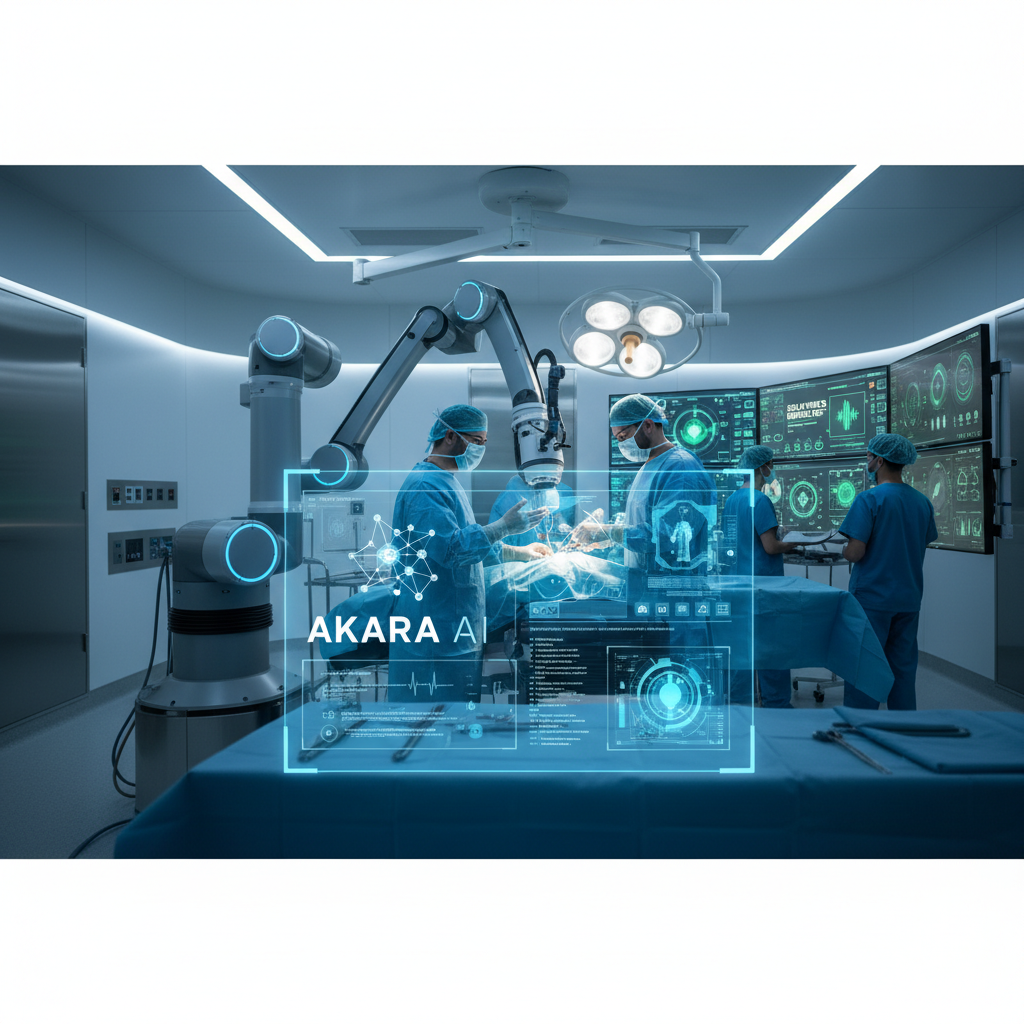
The fluorescent lights of the hospital operating room hummed, a familiar backdrop to the controlled chaos. It’s not the surgeries themselves, but everything else that’s the problem. According to a recent TechCrunch podcast, Akara is betting AI can fix it.
The core issue? Coordination. Hospitals lose an estimated two to four hours of OR time daily. That’s a huge waste of resources. Akara’s approach focuses on automating the scheduling and coordination aspects of the operating room, leveraging AI to streamline processes and reduce downtime.
“The operating room is a complex ecosystem,” explains Dr. Emily Carter, a healthcare analyst at Forrester. “You have surgeons, nurses, anesthesiologists, and a multitude of equipment and supplies that all need to be perfectly synchronized.” Akara’s AI aims to be the conductor, orchestrating this symphony of medical professionals and resources. The goal, ultimately, is to reduce costs and improve patient care.
The technical implementation is a blend of machine learning and robotics, but the value is in the optimization. Akara’s AI algorithms analyze historical data, predict potential bottlenecks, and adjust schedules in real-time. This dynamic approach ensures that operating rooms are used efficiently, reducing the time and money lost.
“It’s not just about the technology,” says a source close to Akara. “It’s about understanding the nuances of the operating room environment and building a solution that integrates seamlessly into existing workflows.” This focus on integration is critical. Implementing AI in healthcare requires a delicate balance between innovation and practicality.
The implications are significant. By reducing OR downtime, hospitals can increase the number of procedures performed, generate more revenue, and improve patient outcomes. The AI’s ability to predict and adapt to unexpected events, like equipment failures or staff shortages, is a game-changer.
What’s next? Akara is working on expanding its AI capabilities to include predictive maintenance for medical equipment and automated inventory management. The goal is to create a fully integrated, AI-powered operating room that is efficient, reliable, and patient-focused. The company has not provided a specific timeline for these features, but analysts expect to see further developments in the next 12-24 months.
About the Author