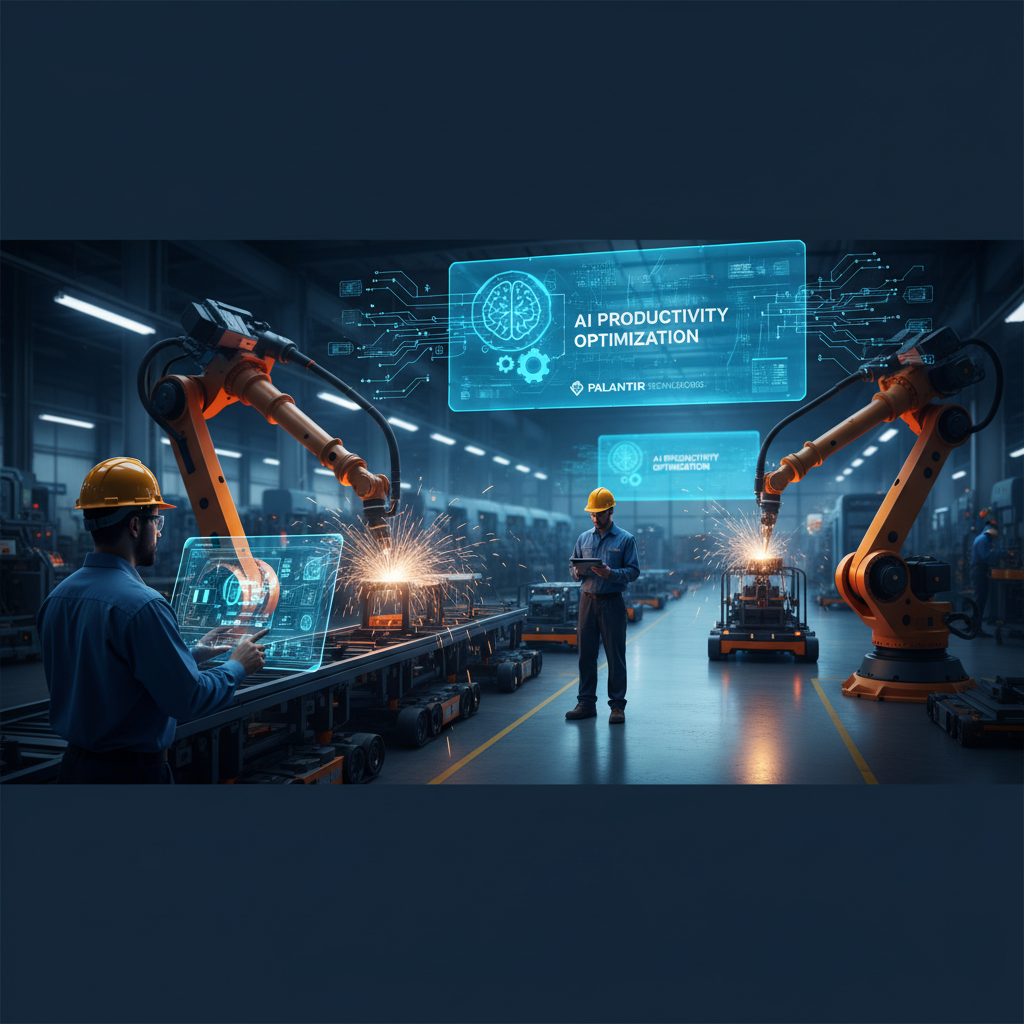
The hum of the server room is a constant, a low thrum that vibrates through the floor. It’s here, in Palantir’s data center, that the algorithms powering the next generation of manufacturing are taking shape. Inside, engineers are running simulations, stress-testing new AI models designed to optimize factory workflows. The goal? To boost productivity without sacrificing jobs, a vision articulated by Palantir’s CTO in a recent interview with Fox Business.
The core idea is simple: use AI to augment human capabilities, not replace them. In manufacturing, this means AI-powered systems that can predict machine failures, optimize supply chains, and streamline production processes. This approach is already showing results. According to a recent report by Deloitte, companies that have implemented AI in their manufacturing operations have seen a 10-15% increase in productivity. The Palantir CTO, speaking on Fox Business, emphasized that this isn’t about mass layoffs but rather about creating new, higher-skilled jobs for factory workers and nurses.
This shift isn’t just about technology; it’s also about economics. The demand for skilled labor in manufacturing is already high, and the skills gap is widening. AI offers a way to bridge this gap by automating repetitive tasks and freeing up human workers to focus on more complex, value-added activities. For example, AI-powered predictive maintenance can reduce downtime, allowing human technicians to focus on more strategic repairs. This is a crucial point, as the global manufacturing sector faces increasing pressure to boost output. The United States, for instance, is pushing for increased domestic production, aiming to counter supply chain vulnerabilities exposed during the pandemic.
The manufacturing industry, however, faces significant hurdles. There are supply chain constraints, export controls, and policy walls. SMIC versus TSMC is a constant consideration. Furthermore, the pace of technological advancement is relentless. Companies are constantly racing to stay ahead. The focus is now shifting to edge computing, with more processing power pushed closer to the factory floor. This is where companies like Palantir see the next wave of innovation.
The implications are far-reaching. The success of this AI-driven approach depends on several factors: access to advanced chips, robust data infrastructure, and a skilled workforce. Moreover, companies need to invest in training programs to equip workers with the skills they need to thrive in the new AI-powered environment. It’s a complex equation, but the early returns are promising. The Palantir CTO’s comments reflect a broader trend: AI is not just about automating jobs; it’s about transforming them, and in the process, creating a more productive and resilient economy.
About the Author