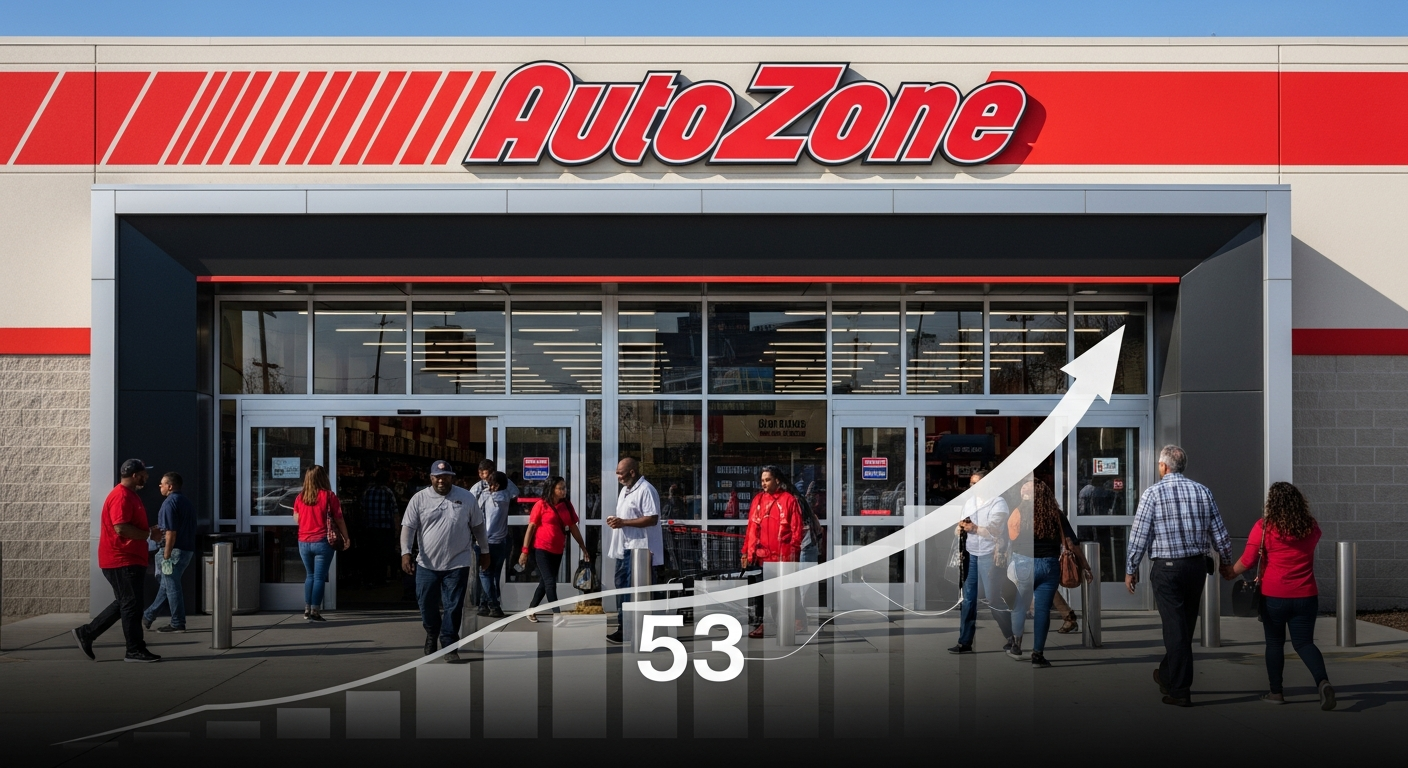
AutoZone, a leading auto parts retailer, is demonstrating robust growth with the opening of 53 new stores globally in the latest quarter. This expansion brings the company’s total store count to 7,710, signaling a strong commitment to growth within the auto parts market. The strategic move comes as the company navigates the complexities of an inflationary environment and the impacts of tariff cost increases.
Context: The retail sector, particularly the auto parts segment, is experiencing dynamic shifts. AutoZone’s expansion strategy is a direct response to the increasing demand for auto parts, driven by an aging vehicle fleet and the ongoing need for vehicle maintenance and repair. The company’s ability to open new stores while managing economic challenges highlights its operational efficiency and strategic foresight.
Analysis: The decision to continue store expansion, despite economic pressures, showcases AutoZone’s confidence in its business model and market position. The company likely anticipates that its competitive pricing, extensive product offerings, and convenient store locations will continue to attract customers. The new store openings are part of a broader strategy to increase market share and maintain its leadership in the auto parts retail industry. AutoZone’s ability to effectively manage costs, including those related to inflation and tariffs, will be crucial to sustaining its profitability and growth trajectory.
Implications: AutoZone’s continued expansion could put pressure on competitors within the auto parts market. The company’s growth also reflects the resilience of the automotive aftermarket, which benefits from consistent demand regardless of broader economic cycles. Investors and industry observers will be watching closely to see how AutoZone manages its expansion while mitigating the effects of inflation and tariffs. The company’s performance in the coming quarters will provide insights into the overall health of the retail sector and the auto parts industry’s ability to adapt to changing economic conditions.
Sources:
About the Author