The hum of the server room at John Deere’s Silicon Valley tech center is a constant, a low thrum that vibrates through the floor. Engineers, heads bent over glowing screens, are deep in a review of thermal tests for the next generation of precision agriculture hardware. It’s a world away from the political back-and-forth playing out in Washington, D.C., but the two are inextricably linked.
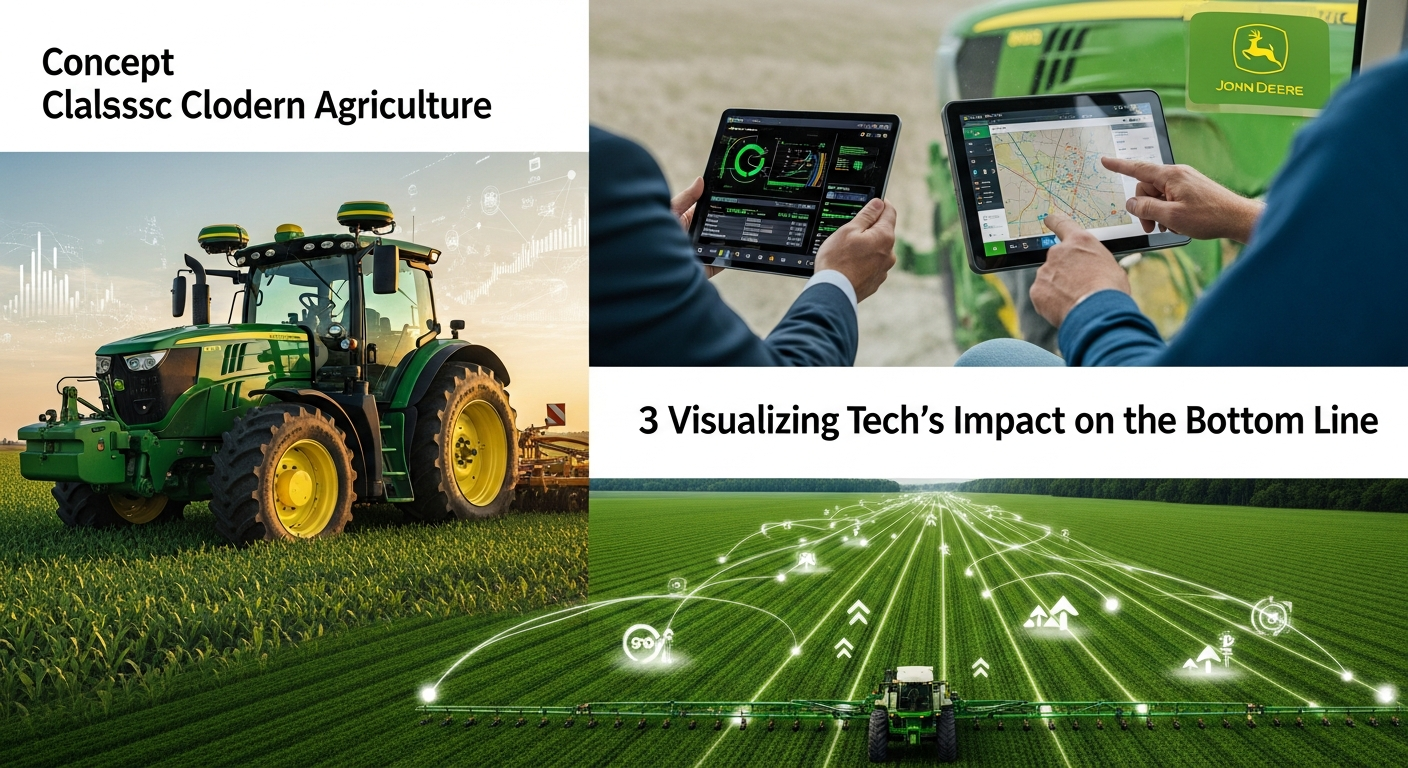
John Deere’s CFO, during a recent earnings call, directly addressed former President Trump’s assertions about the rising costs of farm equipment. The executive countered, emphasizing that technological advancements are actually the key to driving down costs for farmers nationwide. This came amid the unveiling of a new farm aid package and promises of deregulation.
“We’re not just building tractors anymore,” says one engineer, glancing up from his monitor. “We’re building data centers on wheels.”
The company’s focus on technology isn’t new, but the stakes have been raised. With farm aid on the table and supply chain issues still lingering, John Deere is betting heavily on its ability to deliver efficiency gains through tech. That means more sophisticated sensors, AI-powered analytics, and autonomous operation capabilities. Think of it as the agricultural equivalent of self-driving trucks, but with a focus on planting, harvesting, and crop management.
“The goal is to help farmers do more with less,” explained a John Deere spokesperson in a follow-up statement. “That means reducing input costs like fertilizer and pesticides, optimizing yields, and ultimately, improving profitability.”
Analysts at Deutsche Bank, in a recent report, predict that the market for precision agriculture technology will reach $25 billion by 2027. They cite increasing labor costs, environmental concerns, and the need for greater efficiency as key drivers. However, the report also notes potential headwinds, including the ongoing chip shortage and the impact of export controls on access to advanced components. Or maybe that’s how the supply shock reads from here.
The company has been investing heavily in its technology roadmap. Their current offerings include advanced GPS guidance systems, yield monitoring, and variable rate application of seeds and fertilizers. Future plans include the integration of more AI-driven automation, which is critical. The company is also working to expand its digital platform, which allows farmers to collect and analyze data from their equipment and fields, enabling more informed decision-making.
Of course, this tech push isn’t without its challenges. The semiconductor supply chain remains a major bottleneck. The availability of advanced chips, in particular, is a concern, with potential delays for products. Furthermore, the company is navigating the complex landscape of international trade and export controls. The US government’s restrictions on the export of certain technologies to China, for example, could have a ripple effect on John Deere’s global operations.
The success of John Deere’s strategy will depend on a confluence of factors: technological innovation, supply chain resilience, and the evolving regulatory environment. It’s a high-wire act, but the company seems confident it can pull it off. They believe that technology is not just the future of farming, but the key to ensuring its affordability and sustainability.
About the Author