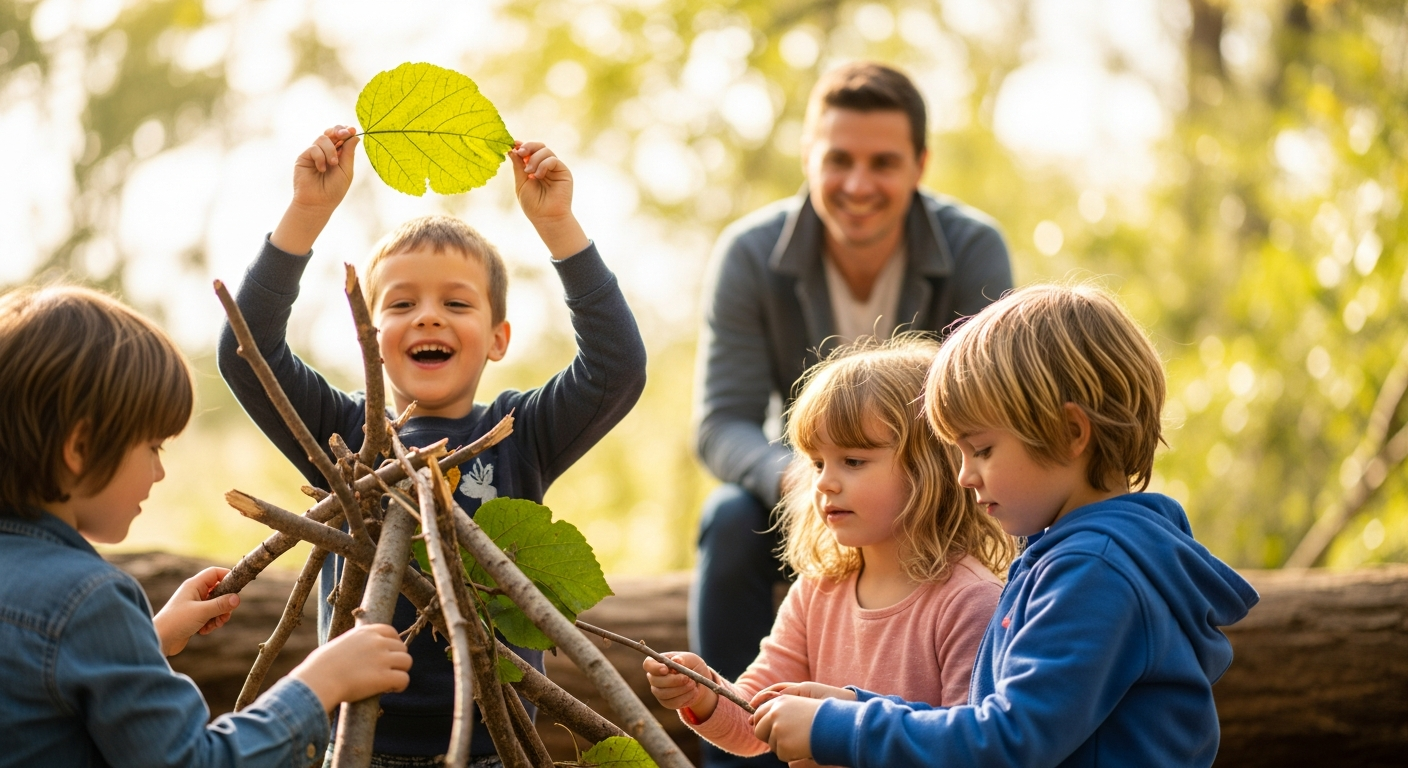
The screen-free childhood movement is gaining traction across the U.S., as parents seek alternatives to device-dominated lifestyles for their children. This shift reflects a growing concern about the impact of excessive screen time on child development and a desire to cultivate confidence through real-world experiences.
Fueled by organizations like The Balance Project, this movement encourages parents to replace screen time with activities such as outdoor play and bike rides. The core philosophy centers on the belief that these experiences provide children with opportunities to build essential skills, explore their environment, and develop a stronger sense of self.
The movement’s rise coincides with broader discussions about the effects of technology on children. While technology offers numerous benefits, parents are increasingly aware of potential drawbacks, including sedentary behavior and the displacement of face-to-face interactions. The screen-free approach aims to counteract these effects by promoting a more balanced childhood.
The emphasis on outdoor play and real-world experiences is seen as a way to build confidence in children. Activities like playing outside and going on bike rides present opportunities for physical activity, problem-solving, and social interaction, all of which contribute to a child’s overall development. The Balance Project supports this approach, offering resources and community for parents seeking to implement screen-free strategies.
The trend towards screen-free childhoods also has implications for the retail sector and the markets & economy. As parents seek alternatives, demand for outdoor toys, sports equipment, and other activity-based products is likely to increase. This shift could impact consumer spending patterns and influence the types of products that retailers prioritize.
In conclusion, the screen-free childhood movement represents a significant trend in parenting, driven by a desire to prioritize children’s well-being and development. By embracing outdoor play and real-world experiences, parents are seeking to build confidence and provide children with a more balanced and enriching childhood. This movement also presents new opportunities for businesses in the retail sector.
About the Author