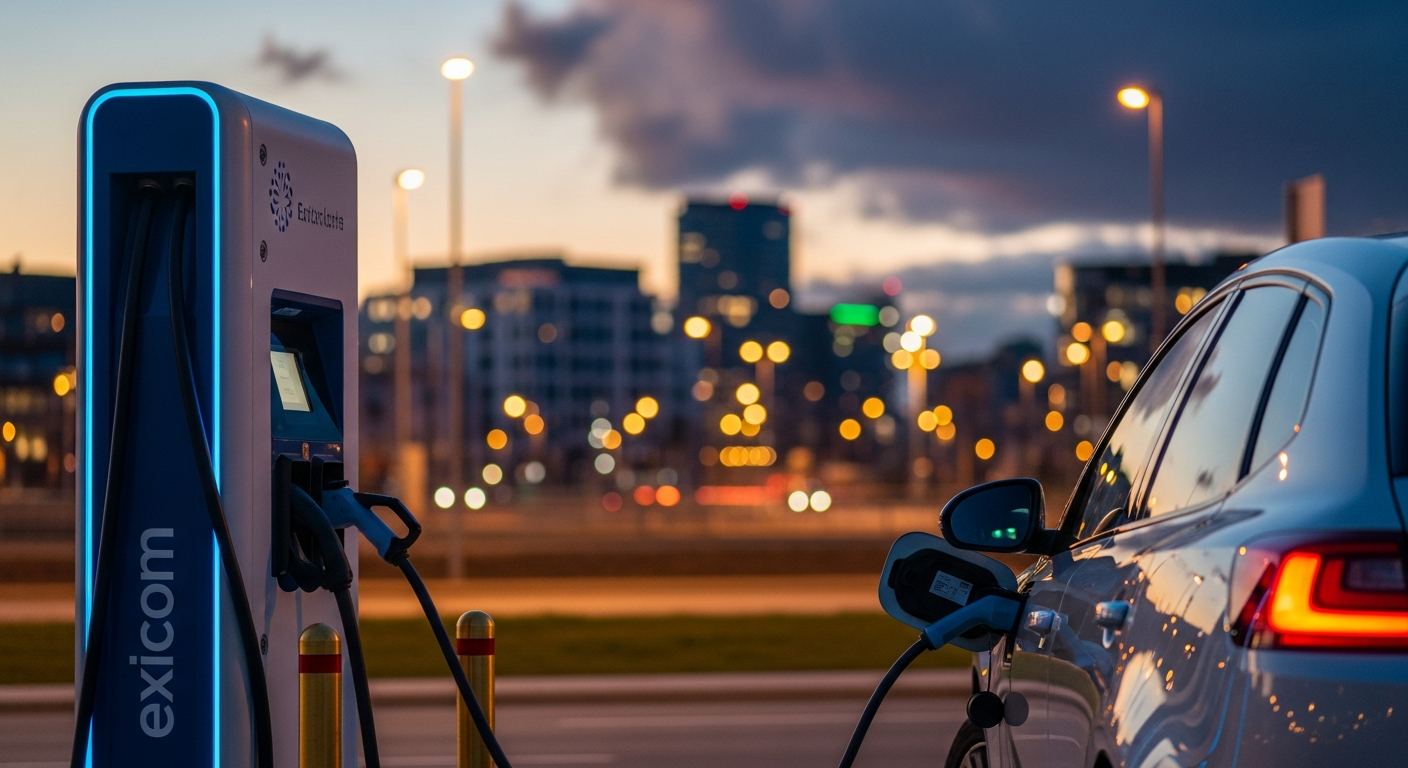
The hum of the testing rig filled the Exicom lab. Engineers, faces illuminated by the glow of oscilloscopes, scrutinized waveforms. It was late 2024, and the team was pushing the thermal limits of a new charger design, one built to withstand India’s notoriously volatile grid. Voltage swings, poor power quality, and frequent surges – all were daily realities.
“India presents a unique challenge,” explained Anant Nahata, Managing Director of Exicom, during a recent earnings call. The company is betting big on the EV charging market, projecting a significant increase in demand over the next few years. Exicom’s strategy hinges on robust power electronics, capable of handling the grid’s imperfections. Their chargers, as a result, feature stronger converters, advanced thermal designs, and multiple safeguards.
The core of the issue is the grid itself. Unlike the more stable networks in many developed nations, India’s power infrastructure demands more resilient solutions. This means chargers have to be built tough. That means more robust components and more careful design. The result? More expensive chargers, but also a more reliable charging experience.
“The market is definitely there,” noted a Mumbai-based analyst specializing in the energy sector. “EV adoption is picking up pace, and the charging infrastructure needs to keep up. Exicom is well-positioned, given their focus on adapting to the local grid conditions.”
In the Exicom lab, the testing continued. The engineers knew the stakes. They were not just building chargers; they were building the future of India’s electric vehicle ecosystem, one that demanded reliability and resilience in the face of an unpredictable power grid. The success of the company’s EV charging play depends on it.
About the Author