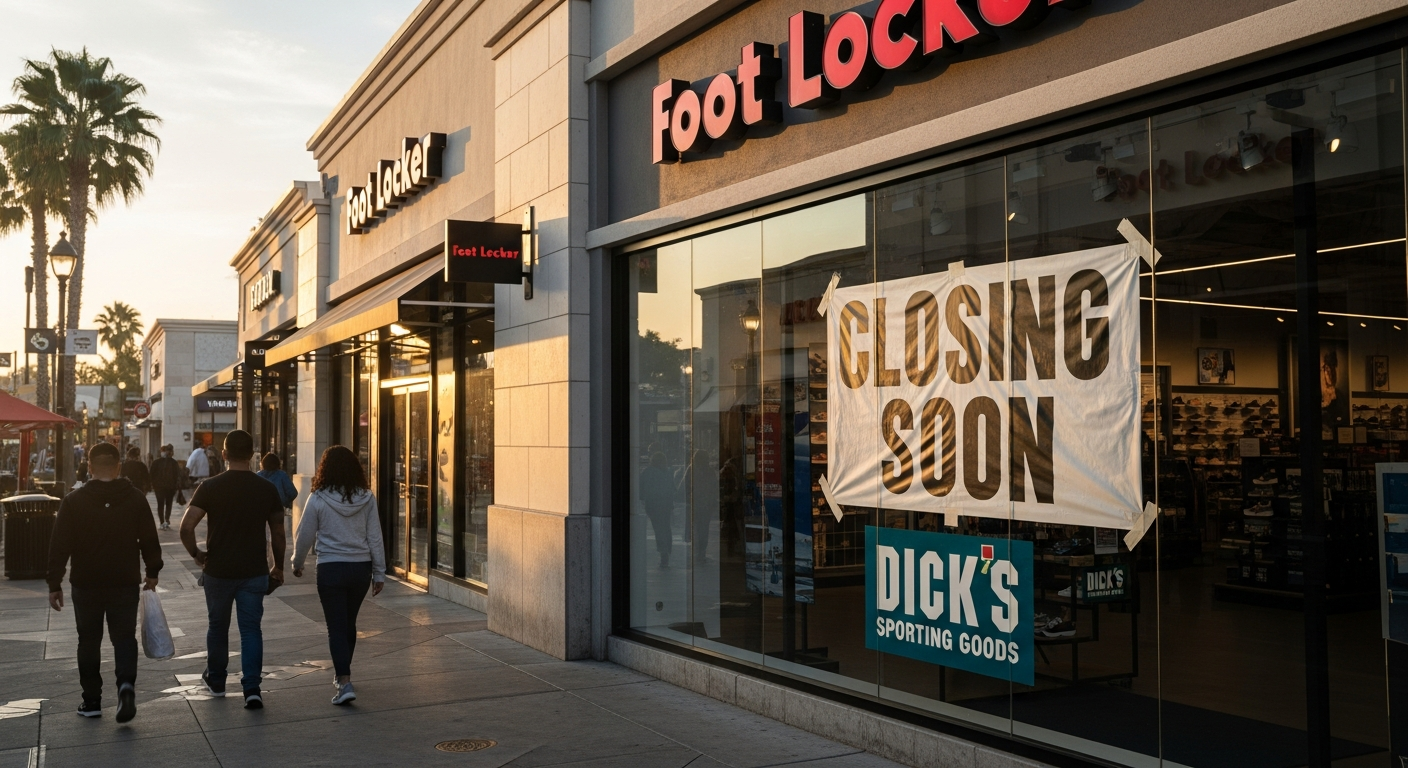
Dick’s Sporting Goods is poised to close some Foot Locker stores after its recent acquisition, as reported by Fox Business. The move is part of a strategic initiative to enhance profitability and stimulate growth within the combined entity. This decision underscores the dynamic shifts occurring in the retail sector, particularly within the sporting goods and footwear market.
The acquisition, valued at $2.4 billion, is a significant move by Dick’s Sporting Goods to expand its market presence. The integration process often involves evaluating the performance of acquired assets, which in this case, has led to the identification of underperforming Foot Locker stores. The decision to close these stores reflects a broader strategy to optimize the company’s retail footprint and focus on locations that offer the greatest potential for returns.
The primary driver behind this strategic realignment is the pursuit of improved profitability and sustainable growth. By streamlining its operations and concentrating resources on high-performing stores, Dick’s Sporting Goods aims to improve its overall financial performance. This approach is common in mergers and acquisitions, where the goal is to leverage synergies and eliminate redundancies to create a more efficient and profitable business model.
The retail landscape is highly competitive, with companies constantly adapting to changing consumer preferences and economic conditions. Store closures can be a challenging but necessary step to ensure long-term viability. Dick’s Sporting Goods’ actions are a testament to the ongoing evolution of the retail industry, where strategic decisions are crucial for navigating market complexities and achieving sustained success.
The implications of this move extend beyond the immediate financial impact. It may also signal shifts in consumer behavior and market dynamics. As Dick’s Sporting Goods integrates Foot Locker, the company’s ability to adapt to these changes will be critical for its future success. The focus on profitability and growth highlights the strategic importance of this acquisition in the context of the broader retail and economic environment.
About the Author