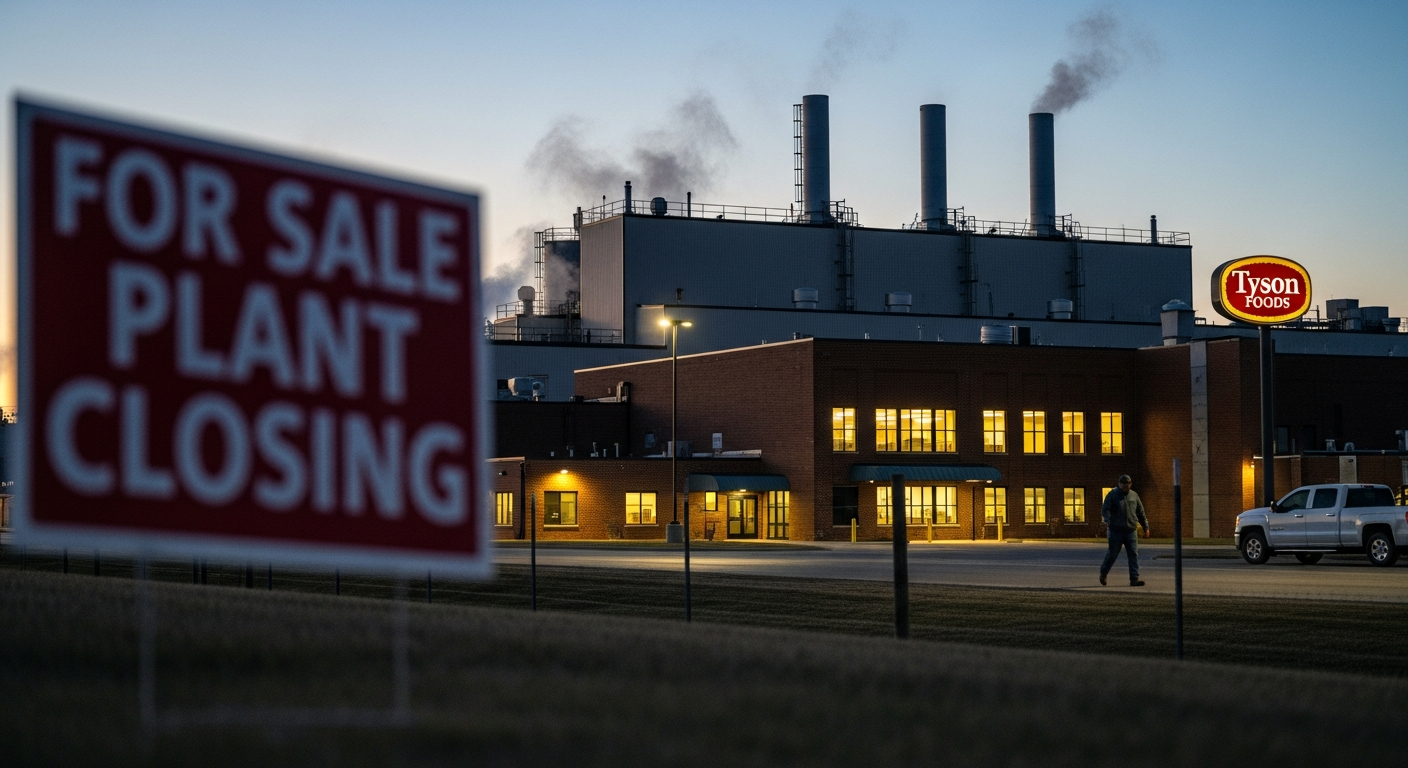
Tyson Foods is taking significant steps to restructure its beef operations, announcing the closure of a major plant in Nebraska and scaling back operations in Texas. This strategic shift, driven by declining cattle supplies, highlights the challenges facing the meatpacking industry and its response to evolving market dynamics.
The Nebraska Plant Closure: A Major Blow
The closure of the Nebraska beef plant, which employs approximately 3,200 workers, is a significant event. This move underscores the impact of the ongoing cattle shortage on Tyson’s operations. The company’s decision reflects a broader trend of industry consolidation and adaptation in response to fluctuating supply chains.
Texas Operations: Scaling Back
Alongside the Nebraska closure, Tyson Foods is also scaling back its operations in Texas. While specific details on the extent of these cutbacks are limited, it further indicates the company’s efforts to optimize its production capacity in light of reduced cattle availability. This strategic realignment aims to balance supply and demand, and maintain profitability amidst challenging market conditions.
The Underlying Cause: Cattle Shortages
The primary driver behind Tyson’s restructuring is the ongoing decline in cattle supplies. Factors such as drought, rising input costs, and shifts in agricultural practices have contributed to the reduction in available cattle. This shortage has put pressure on meatpackers, forcing them to adapt their operations to maintain efficiency and profitability.
Industry Implications
Tyson’s actions are indicative of broader industry trends. As cattle supplies remain constrained, other meatpacking companies may also need to adjust their strategies. This could include further plant closures, reduced production capacity, or shifts in sourcing strategies. The industry’s ability to navigate these challenges will be crucial for its long-term viability.
Looking Ahead
The closure of the Nebraska plant and the scaling back of Texas operations signal a period of significant change for Tyson Foods and the broader meatpacking industry. The company’s ability to successfully navigate these challenges will be critical for maintaining its market position and ensuring the long-term sustainability of its operations.
Source: Latest Business News on Fox Business
About the Author




