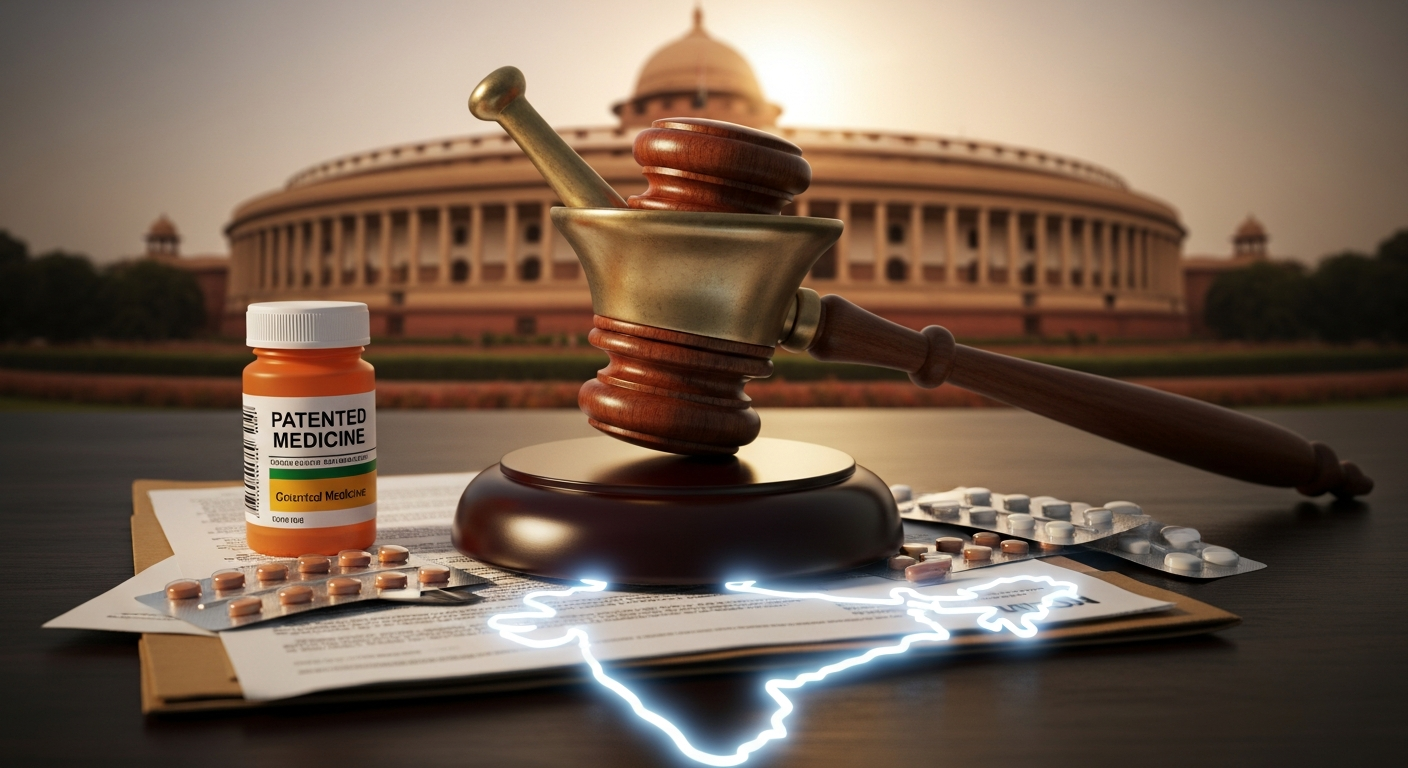
The air in Delhi hangs heavy, a familiar mix of exhaust and anticipation. News trickles out about the Indian government mulling over a significant policy shift. Specifically, they’re considering floating global tenders for the procurement of key patented drugs.
It’s a move that, if enacted, could ripple through the pharmaceutical landscape. Currently, India’s public procurement policy shields local industry by prohibiting global tendering for goods and services up to ₹200 crore. The stated aim? To bolster domestic manufacturing.
But the world of medicine is rarely so simple. Access to life-saving drugs, often protected by patents, is a critical concern. Where does the government find the balance? It’s a question that keeps policymakers up late.
The Economic Times reported on the debate, noting the potential impact on both Indian manufacturers and patients. The government’s intent, as always, is multi-layered. On one hand, protecting nascent local industries. On the other, ensuring access to essential medicines.
This isn’t just about economics. It’s about lives. Access to patented drugs can be a matter of life and death, especially for those with chronic conditions or rare diseases. The cost of these medications can be exorbitant, and the availability often limited.
“The government is walking a tightrope,” a source familiar with the discussions told me, requesting anonymity. “They want to support Make in India, but they also understand the urgency of providing affordable healthcare.”
The implications are far-reaching. If global tenders are opened, it could lead to lower prices for some drugs, benefiting patients. Domestic manufacturers, however, might face increased competition. This could spur them to innovate, or potentially lead to consolidation.
Consider the details: The policy, as it stands, was designed to promote local industry. The potential change is driven by the need for access. The location? India, of course. The ‘when’ is now; the decision is pending. And the ‘why’ is a complex interplay of economics, healthcare, and political strategy.
The story is still unfolding. It’s a reminder that policy decisions, even those made in the sterile environment of government offices, have very real consequences, felt acutely in hospital rooms and pharmacies across the country. The shift, if it happens, will be one to watch.
About the Author




