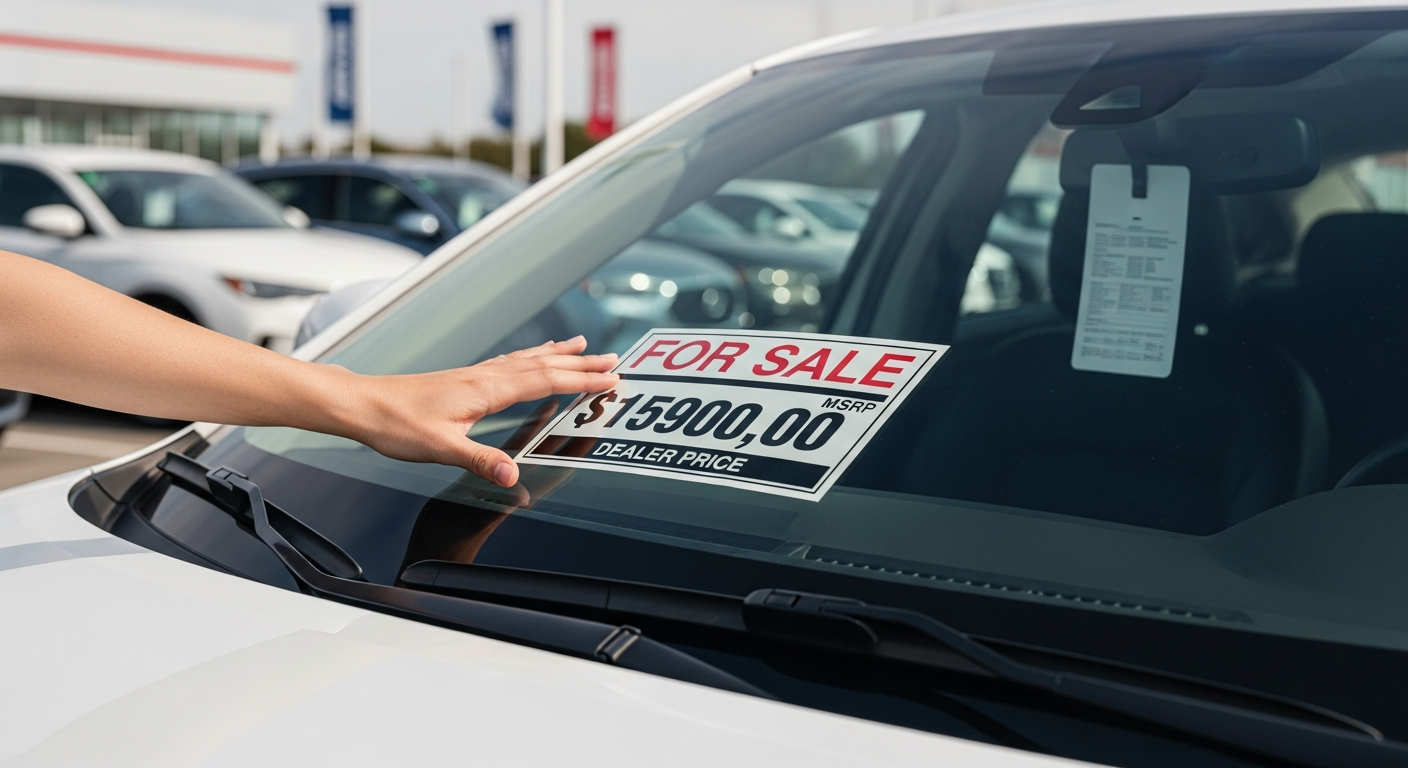
The fluorescent lights of the dealership hummed, a familiar soundtrack to financial decisions. Outside, the Arizona sun beat down, but inside, the air was cool, and the stakes felt high.
It’s not just a feeling, anymore. The average price of a new car is hurtling toward $50,000. A figure that, not so long ago, seemed astronomical. Now, it’s the new normal.
Monthly payments? They’re now averaging $766, a significant chunk of change, especially when you factor in the rising interest rates. The Federal Reserve has been steadily hiking rates, and the impact is being felt acutely at the showroom.
Who’s feeling this pinch? Buyers, of course. Families, individuals, anyone needing reliable transportation. The ‘why’ is clear: inflation, supply chain issues, and increased demand. The ‘where’ is everywhere, nationwide. It’s a market trend, not a localized anomaly.
I spoke with Sarah Chen, a teacher from Phoenix, who recently visited a local dealership. “I was floored,” she said. “The sticker price was way above what I had budgeted. The monthly payments were… shocking.”
It’s not just the sticker price; it’s the financing. Higher interest rates mean you’re paying more over the life of the loan. A few percentage points can add up to thousands of dollars.
What does this mean for the future? Demand might soften. Buyers could delay purchases, opting to hold onto their current vehicles longer. Or, they might turn to the used car market, which, in turn, could see its own price adjustments.
The situation is complex, a mix of economic forces colliding with consumer behavior. One thing is certain: the era of affordable new cars feels increasingly distant. A date to watch: the next inflation report, due out in early October, as it will likely provide more clarity.
About the Author




