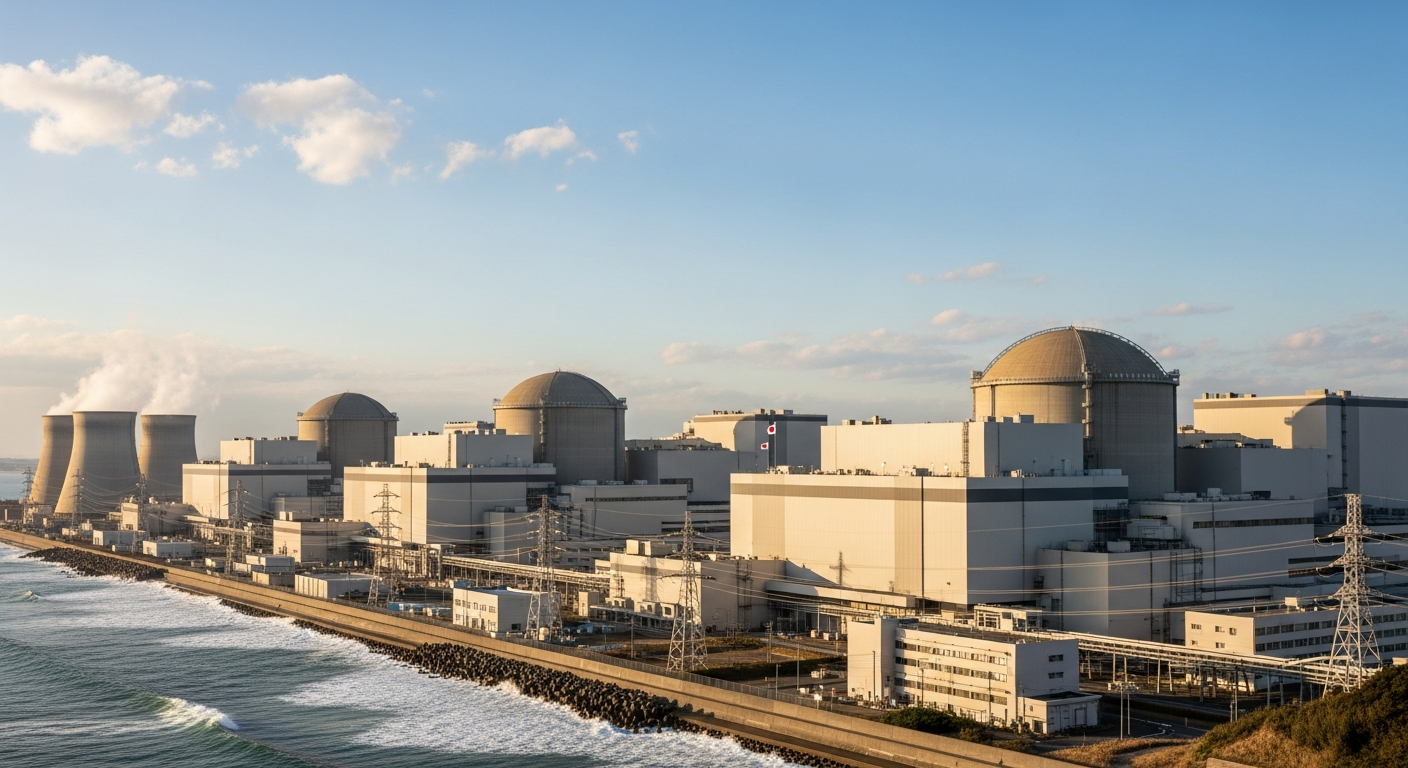
The Sea of Japan. The wind, a constant presence, carries the scent of salt and something else – a faint metallic tang. It’s a smell that lingers, a reminder of the unseen power held within the 400-hectare (1,000-acre) expanse of the Kashiwazaki-Kariwa nuclear plant. This is the stage for a potential shift in Japan’s energy landscape.
Tepco, the operator, is edging closer to restarting the facility. This restart would mark a significant moment. It would be the first since the 2011 Fukushima disaster, a crisis that shook the nation and the world. The weight of that event, the fear, the uncertainty – it’s all still palpable here.
The plant itself is a behemoth. Seven reactors. The world’s largest. A massive investment in infrastructure, a testament to a vision of energy independence. But after Fukushima, that vision fractured. Public trust eroded. The path forward became anything but clear.
What does it mean, this impending restart? It speaks to Japan’s ongoing struggle to balance energy needs with safety concerns. The country relies heavily on imported fossil fuels. Nuclear power, despite its risks, offers a path toward energy security and reduced carbon emissions. “We are committed to ensuring the highest safety standards,” a Tepco spokesperson stated in a recent press release, “and we will continue to work closely with local communities.”
The question is, will the local communities trust Tepco? Will they believe that the lessons of Fukushima have truly been learned? The restart process has been slow, deliberate. Rigorous inspections. Extensive safety upgrades. But the shadow of the past remains.
The implications are far-reaching. The restart of Kashiwazaki-Kariwa could pave the way for other nuclear plants to resume operations. It could reshape Japan’s energy mix, impacting everything from electricity prices to geopolitical relationships. But there is a lot to consider.
The restart date? Still uncertain. The final approvals? Still pending. But the wind keeps blowing, carrying with it the promise of change and the echoes of a disaster that will not be forgotten.
About the Author