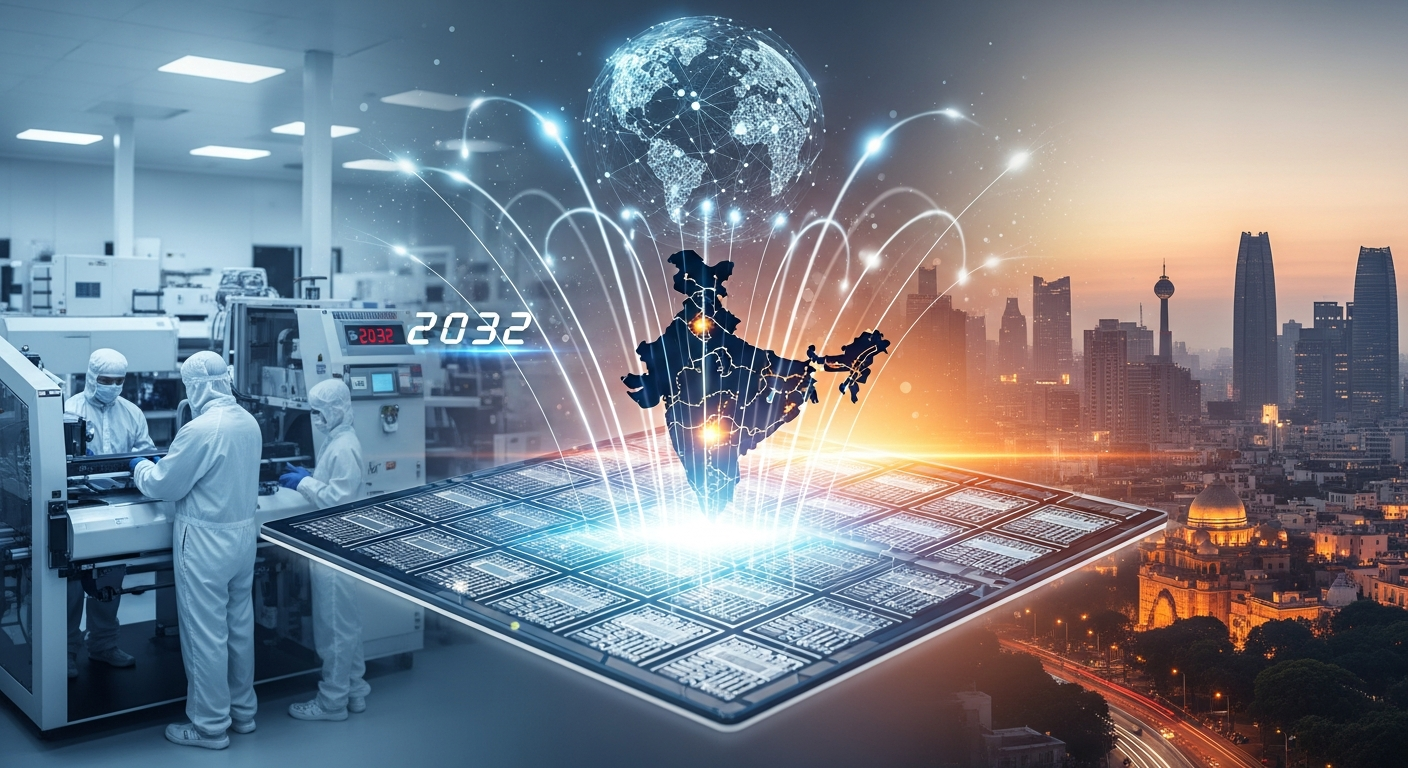
The year 2032. It’s a date that hangs in the air, a future etched into the present by Ashwini Vaishnaw, India’s Union Minister. He’s talking chips – semiconductors, the tiny brains driving everything from smartphones to satellites. His vision? That India will stand shoulder-to-shoulder with the global leaders in chip manufacturing by then. It’s a bold statement, a bet on a future powered by silicon.
The ambition itself isn’t new. India has long recognized the strategic importance of a robust domestic semiconductor ecosystem. These chips are the lifeblood of modern technology, and securing their supply is a matter of national security, as well as economic growth. The government is backing its words with action, pouring resources into the sector, aiming to replicate the success seen in other tech-driven nations.
The details are still emerging, but the broad strokes are clear. India plans to build, attract, and nurture a complete ecosystem – from design to manufacturing. The goal isn’t just to assemble; it’s to innovate, to own the intellectual property, to be a player, not just a consumer. This is a complex undertaking, requiring massive investment, skilled labor, and, perhaps most crucially, the right partnerships. As of now, the country is working towards a long-term goal. As Ashwini Vaishnaw stated, “India will match global chipmaking leaders by 2032.”
About the Author