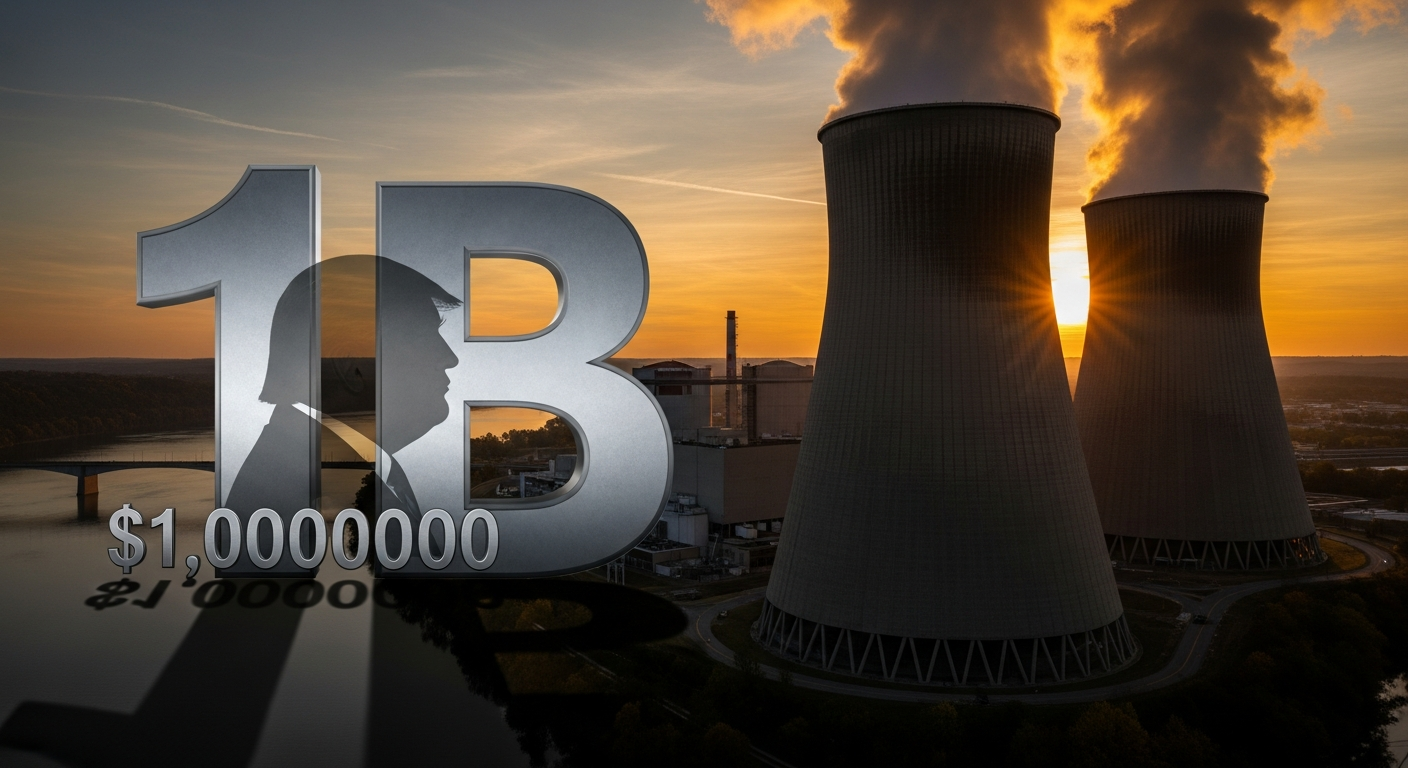
The Susquehanna River still flows, oblivious. Just past Harrisburg, Pennsylvania. And the hulking presence of Three Mile Island, Unit 1, remains. A monument to what was, and what could be again.
The Trump administration’s decision, back in 2020, to greenlight a $1 billion federal loan to Constellation Energy – to restart the plant – feels like a lifetime ago. The deal, announced in the waning months of his presidency, was a bet on nuclear’s future, a play for jobs, and a nod to energy independence. It was also, inevitably, a gamble.
The infamous Unit 2 reactor, of course, was the one that melted down in 1979. A catastrophe that shook public confidence. A scar on the industry. Unit 1, however, remained operational until 2019, when it was shuttered due to economic pressures. The economics of nuclear are tricky. High upfront costs, regulatory hurdles, and competition from cheaper natural gas have made it challenging.
What’s the plan? And can it work? Constellation Energy, a major player in the US nuclear market, believes so. They’ve stated their intention to bring Unit 1 back online, citing its potential to provide clean, reliable energy. The Department of Energy, backing the loan, sees it as a way to preserve jobs and boost the local economy. But the path is not clear.
“This loan represents a significant investment in our nation’s clean energy future,” then-Energy Secretary Dan Brouillette said at the time. (Fox Business News, November 2020).
The surrounding community has mixed feelings. Some welcome the potential return of jobs and economic activity. Others remain wary, haunted by the specter of the past. The debate over nuclear power is not new. But this restart attempt, particularly given the history, is a high-stakes play. It’s a reminder that even in the energy sector, the past is never truly gone.
About the Author