The air in the U.S. Treasury building felt… significant, on the day Secretary Scott Bessent struck those final five pennies. Or, at least, that’s how it seemed, watching the press gather, the cameras flashing. After more than 230 years of penny production, it was the end of an era.
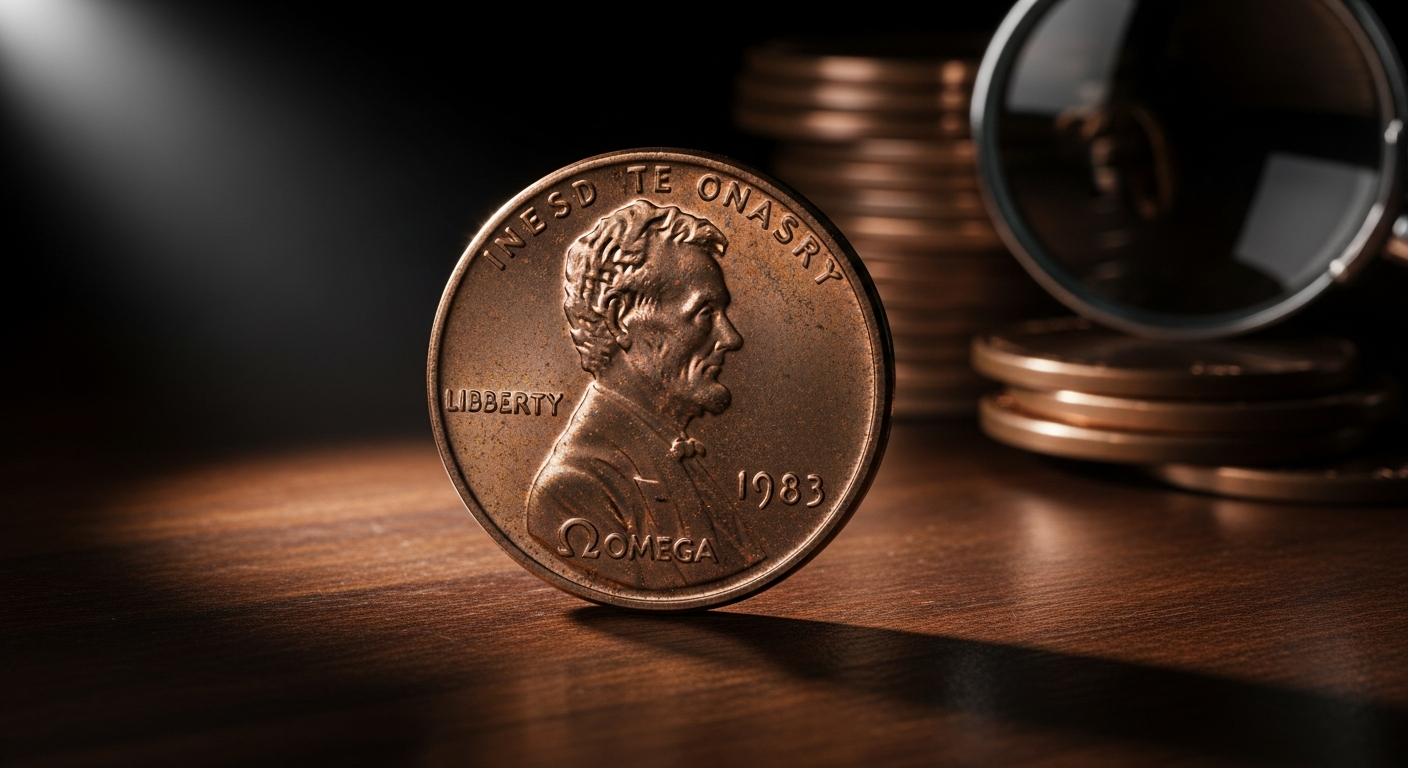
These aren’t just any pennies. Each one bears a special omega mark, a detail that could make them worth a fortune. Reports suggest collector items could fetch millions, maybe even sparking a bidding war. The buzz around the event was palpable. You could feel the anticipation.
The U.S. Mint, as per reports, officially ended its penny production run with these coins. It was a carefully orchestrated moment, the culmination of a long history. These final five — the ones with the omega marks — are the prize, the ultimate collectible.
One can only imagine what the bids will be like. The auction houses are probably already strategizing. And the collectors, the serious ones, have been waiting for this. For years, perhaps.
“This is a landmark event,” said a numismatics expert, reached by phone. “The omega mark, combined with the final production run, makes these pennies incredibly valuable.”
The specifics are intriguing, too. The date, the place, the people involved. It all adds to the story. The U.S. Treasury, Scott Bessent, the omega marks, the final five pennies. All of it.
It’s a strange thing, really. A penny, a cent, suddenly worth more than most people earn in a year. But that’s the nature of collectibles, isn’t it? Something ordinary, made extraordinary by time, scarcity, and a little bit of luck.
And now, the bidding begins.
About the Author